


Deadly Cholera Outbreaks in Sudan and South Sudan Expose Fragile Health Systems and Threaten Millions of Children
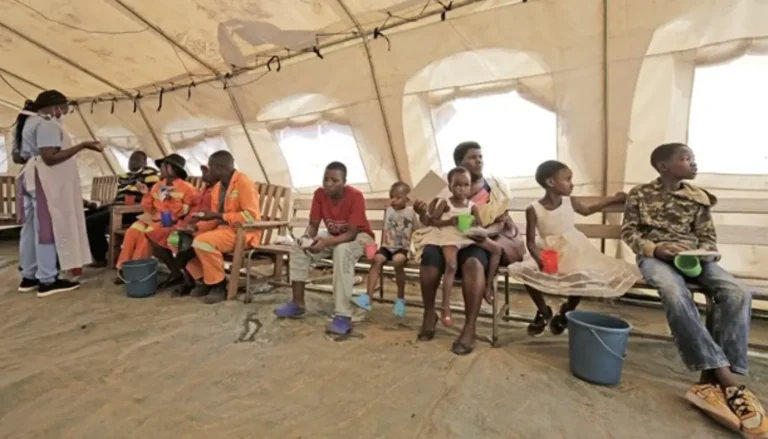
Photo: Africanews
August 22, 2025 Hour: 6:47 pm
🔗 Comparte este artículo
The cholera crisis sweeping across Sudan and South Sudan has reached alarming proportions, with over 189,000 cases and thousands of deaths reported across both countries. Humanitarian organizations warn that the convergence of disease, hunger, and displacement is creating a perfect storm that disproportionately endangers children and vulnerable populations.
In South Sudan, the outbreak began in late 2024 and has intensified during the current rainy season. More than 88,000 cases and 1,500 deaths have been recorded, with one-third of fatalities occurring in children under the age of 14. The disease has spread to 55 of the country’s 79 counties, with Central Equatoria, Upper Nile, Warrap, Jonglei, and Unity states among the hardest hit.
World Vision, a leading humanitarian organization operating in the region, has expressed grave concern over the deteriorating conditions. “This is an extremely dangerous situation for children,” said Mesfin Loha, World Vision’s country director in South Sudan. “Cholera is claiming young lives while hunger weakens their bodies, leaving them defenseless.”
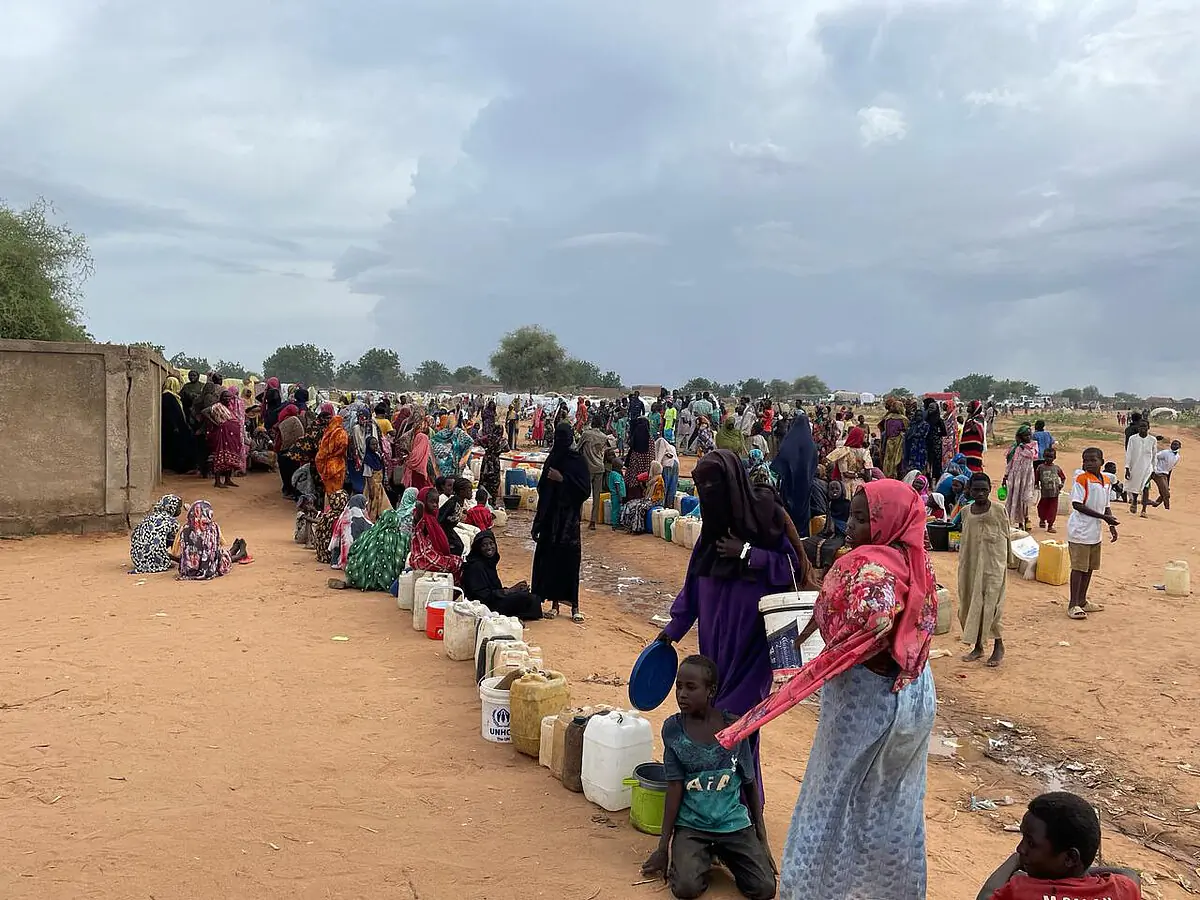
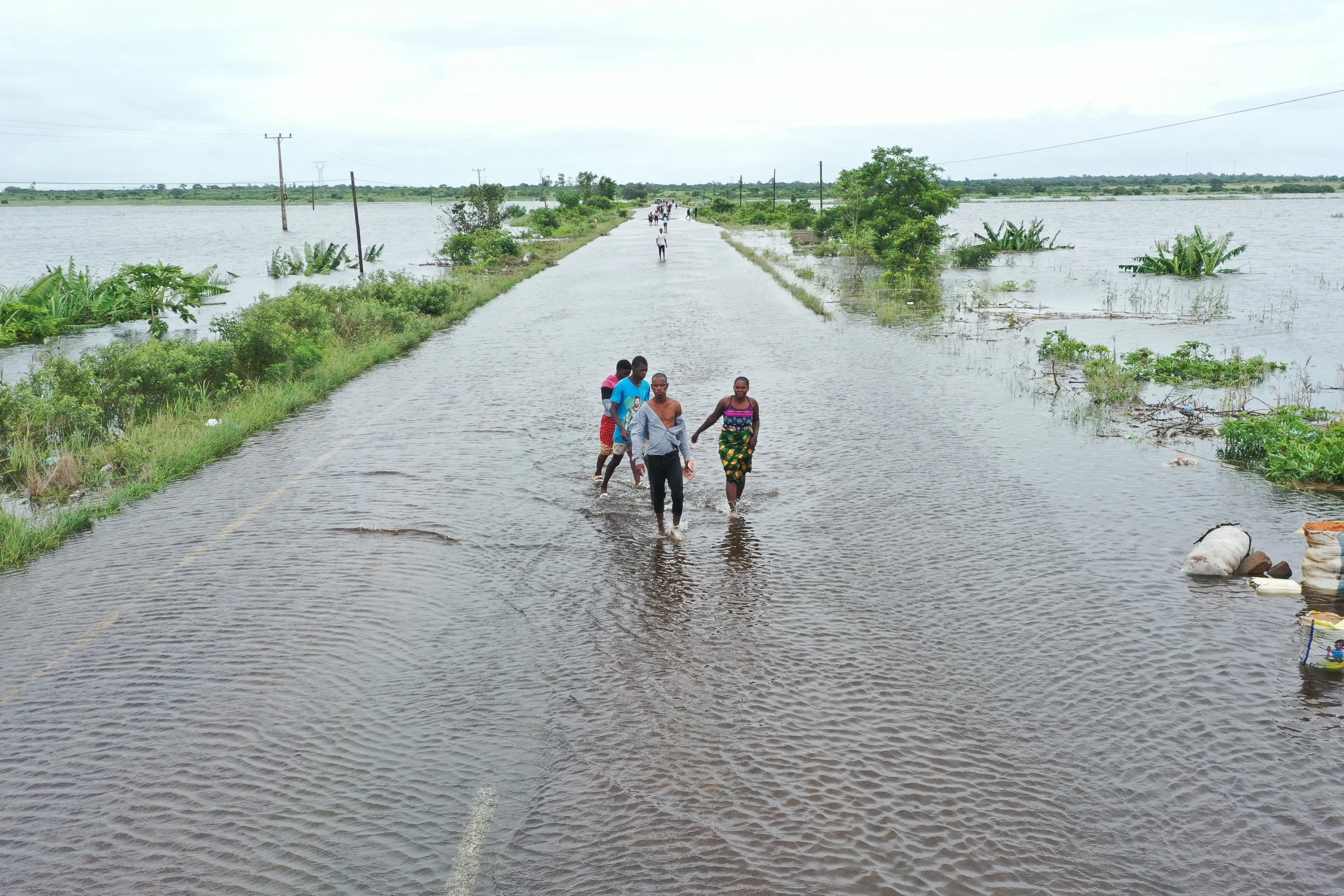
The crisis is compounded by widespread flooding, mass displacement, and limited access to clean water and basic health services. Children living in overcrowded camps and flood-affected areas face heightened exposure to contaminated water sources, increasing the risk of infection and mortality.
Despite the scale of the emergency, the South Sudanese government has not declared a national emergency. In response, World Vision has launched a six-month emergency plan to reach 500,000 people with urgent health care, water, sanitation, and hygiene (WASH) support. However, the initiative remains critically underfunded, with an urgent appeal for an additional $500,000 to sustain operations.
Meanwhile, in neighboring Sudan, the cholera outbreak has spread to all 18 states, surpassing 101,000 cases. The World Health Organization (WHO) and its partners have mobilized a robust response, including disease surveillance, vaccination campaigns, medical supplies, and risk communication. Yet the scale of the crisis continues to overwhelm local capacities.
In Darfur, Médecins Sans Frontières (MSF) reported treating over 2,300 patients in a single week, with 40 deaths attributed to cholera. The region’s fragile health infrastructure, already devastated by ongoing conflict, is unable to cope with the surge in cases. Access to clean water remains dangerously limited, fueling further transmission.
The broader humanitarian situation in Sudan is dire. The civil conflict between the Sudanese Armed Forces and the Rapid Support Forces has displaced more than 14 million people and claimed over 20,000 lives. The collapse of public services, including health care, has turned Sudan into one of the world’s most severe humanitarian emergencies.
According to the United Nations Office for the Coordination of Humanitarian Affairs (OCHA), 7.7 million people in South Sudan face crisis levels of food insecurity. The combination of malnutrition and waterborne disease is proving lethal, especially for children whose immune systems are already compromised.
Humanitarian agencies are calling for immediate international support. “Lives are on the line,” OCHA warned in a recent statement. “Humanitarians are providing life-saving assistance, but more funding is needed.” The urgency is underscored by projections of rising mortality in counties like Nasir and Ulang, where food shortages and disease are converging.
As cholera continues to spread across both nations, the need for coordinated, well-funded, and sustained intervention is critical. Without decisive action, millions of lives—especially those of children—remain at risk in one of the most complex and underreported crises of 2025.
Author: OSG
Source: EFE-Africanews