







Cuba Warns of U.S. Military Threat and Blockade at UN Forum
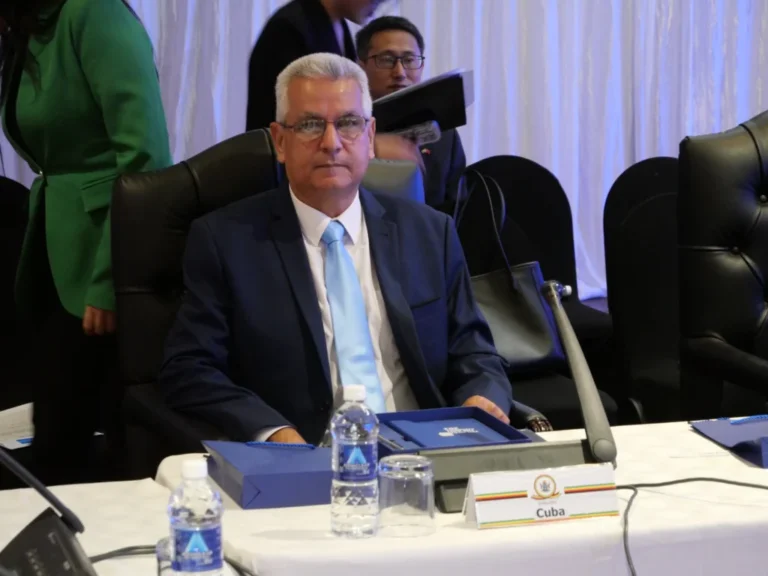
Rodriguez claimed that the current siege of fuel supplies on the island constitutes an act of war in peacetime. Photo: X/@ElioRguezP.
June 8, 2026 Hour: 5:02 pm
🔗 Comparte este artículo
Cuba’s Deputy Foreign Minister Elio Rodríguez warned that the unilateral blockade on fuel shipments constitutes an act of war during peacetime, threatening the lives of millions of people.
During the Fourth Meeting of the Group of Friends in Defense of the Charter of the United Nations held in Zimbabwe, the Cuban diplomat Elio Rodríguez strongly condemned the implementation of unilateral coercive measures by the United States.
The representative categorized the current Washington geopolitical strategy of peace through strength as a direct assault on international law and multilateralism, warning of severe humanitarian consequences.
RELATED: Cuba Receives Donation of 1,700 Commodities Tons From Mexico and Belize
The official emphasized that the systematic disregard for the United Nations Charter by the United States Government creates an unstable global scenario, disproportionately affecting sovereign developing nations.
According to Rodríguez, these unilateral blockades undermine the foundational pillars of global diplomacy, actively replacing dialogue with intimidation and political pressure.
Text reads: “Speaking in the general debate of the 4th Meeting of National Coordinators of the Group of Friends in defense of the Charter @ONU_es, I rejected the application of Trump’s “peace through force” doctrine that violates the principles enshrined in the Charter and international law.”
Acts of War
The Deputy Minister specifically highlighted the severe restrictions placed on fuel shipments destined for the Caribbean island. Rodríguez asserted that this targeted economic siege represents an actual act of war in peacetime, whose devastating humanitarian and logistical consequences are directly comparable to a total naval blockade. By restricting energy access, the United States administration deliberately attempts to subject the Cuban population to extreme living conditions. These hostile actions put the physical integrity, daily surviva and fundamental Human Rights of millions of Cuban citizens at severe risk.
Furthermore, the Cuban official emphasized the extraterritorial nature of these unilateral sanctions, which have been systematically applied for more than six decades. Rodríguez explained that the hostile policy aims to cripple the domestic economy by preventing normal commercial transactions and blocking essential energy resources. The diplomat warned that this strategy is designed to induce economic collapse and social instability, violating every tenet of sovereign equality.
The Foreign Ministry representative also rejected the imposition of secondary sanctions by Washington. These measures seek to illegally coerce third-party states into participating in the economic embargo against Cuba under threats of political and financial retaliation. Additionally, Rodríguez characterized the recent accusations directed at the leader of the Cuban Revolution, General of the Army Raúl Castro Ruz, as entirely arbitrary, fraudulent, and illegitimate, describing them as part of a systematic campaign of political defamation.
Global Solidarity
In his final remarks, the Cuban representative issued a clear warning to the international community regarding the looming threat of military aggression and the potential for an unprecedented humanitarian catastrophe if the economic siege continues to intensify. He urged member states to remain vigilant against these imperialist maneuvers that threaten regional stability. The diplomat stressed that the defense of international law is a collective responsibility that cannot be abandoned in the face of unilateral pressure from global superpowers.
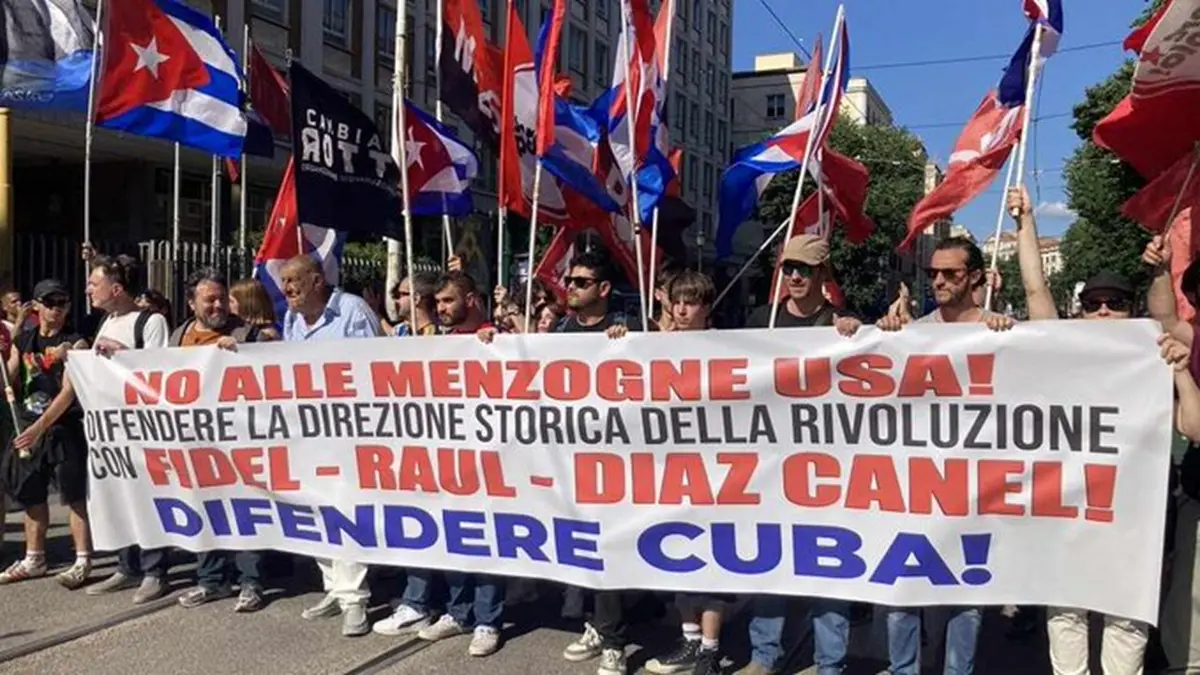
The Group of Friends in Defense of the Charter, which comprises 21 sovereign nations, concluded its high-level forum by reaffirming its absolute commitment to the principles of national sovereignty, non-interference, and mutual cooperation. The member states collectively rejected the application of unilateral coercive measures, emphasizing that global challenges require multilateral solutions. The forum concluded with expressions of profound solidarity with the Cuban people, whose struggle against the embargo continues to receive widespread support from international organizations, social movements, and progressive leaders worldwide.
Author: Laura V. Mor
Source: Agencies