







4 Severe Warnings: Cuba US tensions Could End in Disaster, Ex-Intel Officers Say
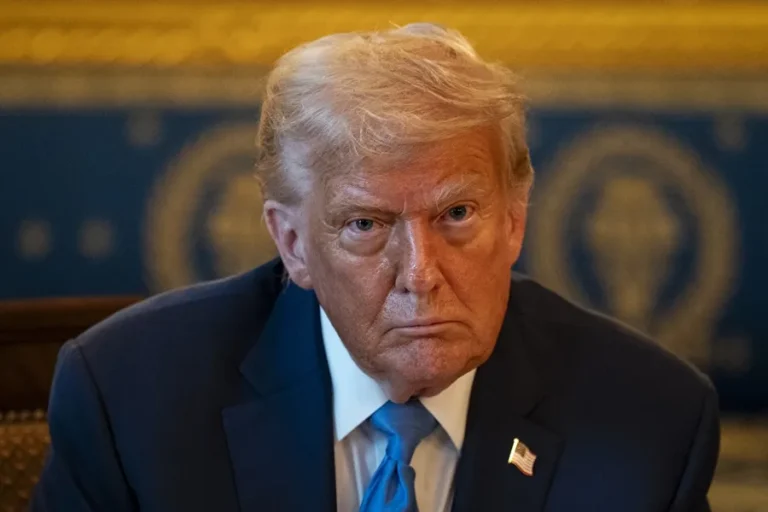
Former U.S. intelligence officials warn that escalation against Cuba could backfire and trigger humanitarian and migration crises.
May 31, 2026 Hour: 2:58 pm
🔗 Comparte este artículo
Cuba US tensions may lead to disaster, former U.S. intelligence officials warn, rejecting claims that Cuba threatens U.S. security and urging dialogue.
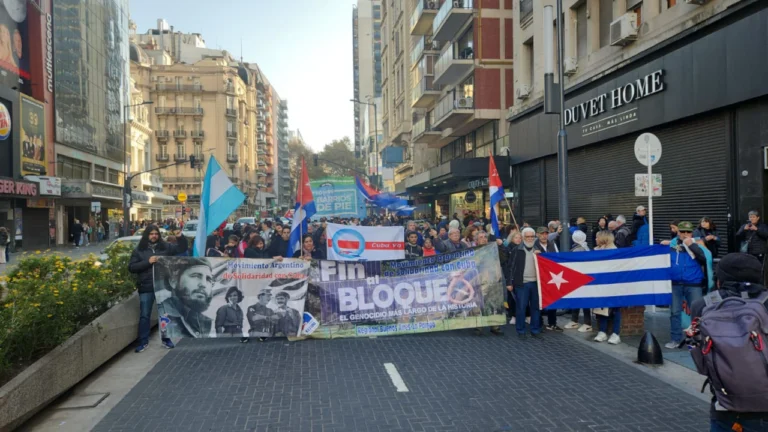
Related: 5 Powerful Signs Argentina Cuba solidarity Is Defying the U.S. Blockade
Cuba US tensions are again in the spotlight after a group of former U.S. intelligence, diplomatic, and security officials warned President Donald Trump that current Washington policy toward the island could end in disaster. The warning argues that military pressure, sanctions, and political accusations are pushing the relationship toward a losing path.
Ex-officials warn against escalation
Veteran Intelligence Professionals for Sanity, known as VIPS, sent a memorandum to Trump saying that any military option against Cuba would almost certainly fail. The group argued that such a move would trigger a strong national response, because Cubans tend to close ranks in the face of outside aggression. According to the memorandum, even Cubans who want deep political change would unite behind the flag if attacked from abroad.
The former officials said Washington is underestimating Cuba’s political resilience and social cohesion. They described the island’s government as still holding residual legitimacy, enough to sustain national unity in a crisis. In their view, a foreign attack would not produce the quick political collapse some U.S. voices appear to expect.
VIPS also warned that U.S. policy could create a humanitarian catastrophe for which Washington would bear direct responsibility. The group said coercion and threats have already damaged daily life on the island, and that further escalation would deepen shortages and instability rather than solve them.
The memorandum included well-known former officials such as Fulton Armstrong, Philip Giraldi, Larry Johnson, Ray McGovern, and Ann Wright. Their collective argument is that six decades of pressure have not worked, and that threats or blockade-based negotiations are not a path to success.
Cuba US tensions and disputed accusations
The memorandum rejected several long-standing U.S. claims against Cuba. The ex-officials said there is no evidence that Cuba provides operational, logistical, or training support to terrorist organizations. They also said there is no proof of Chinese or Russian spy bases on Cuban soil aimed at the United States. Likewise, they said allegations about sonic or microwave attacks on diplomats are unsupported by concrete evidence.
The group also criticized the official narrative that labels Cuba an “unusual and extraordinary threat” to U.S. national security. In their view, that description is politically motivated and detached from reality. They argued that the phrase has been used repeatedly to justify punitive decisions that intensify pressure on the island.
According to the memorandum, that label helped justify the petrol blockade imposed on January 29 and the additional sanctions announced on May 1, which targeted entities and individuals in Cuba, especially in energy, mining, and financial services. The ex-officials said these measures only reinforce suspicion toward Washington.
They also rejected the U.S. accusation against Raúl Castro regarding the 1996 shootdown of aircraft, saying the claim lacks factual support. For the group, politically driven accusations are part of a broader effort to isolate Cuba rather than engage it.
The officials warned that any externally driven collapse of the Cuban government, or any Washington-picked administration, would fail badly. They said it could also trigger a catastrophic migration crisis, with consequences far beyond the island itself.
- UN General Assembly resolutions on Cuba
- Human Rights Watch Cuba page
- Inter-American Commission on Human Rights
Geopolitical meaning for the region
Cuba US tensions are not only a bilateral issue; they affect the wider Western Hemisphere. A sharper confrontation could increase migration pressure, complicate regional diplomacy, and deepen the political divide between Washington and governments that support Cuba’s right to self-determination. The dispute also keeps alive a broader debate over sanctions, sovereignty, and the limits of U.S. intervention in Latin America.
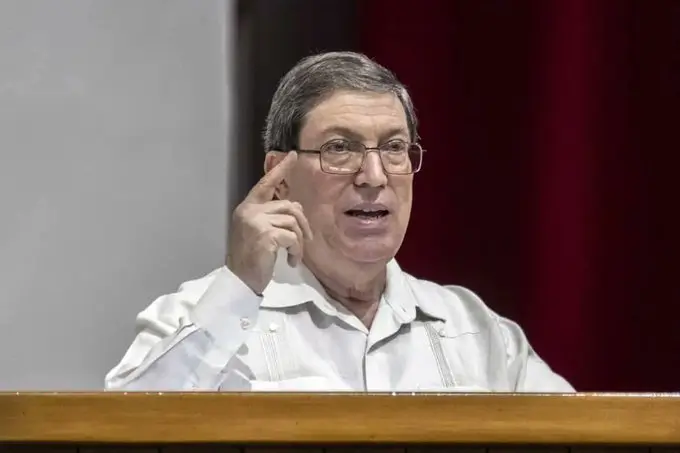
The Cuban government has repeatedly said it is open to dialogue without interference or conditions. Foreign Minister Bruno Rodríguez has stressed that any conversation must be based on international law, the UN Charter, sovereign equality, and mutual respect. That position fits Havana’s long-standing argument that diplomacy is possible only when coercive measures end.
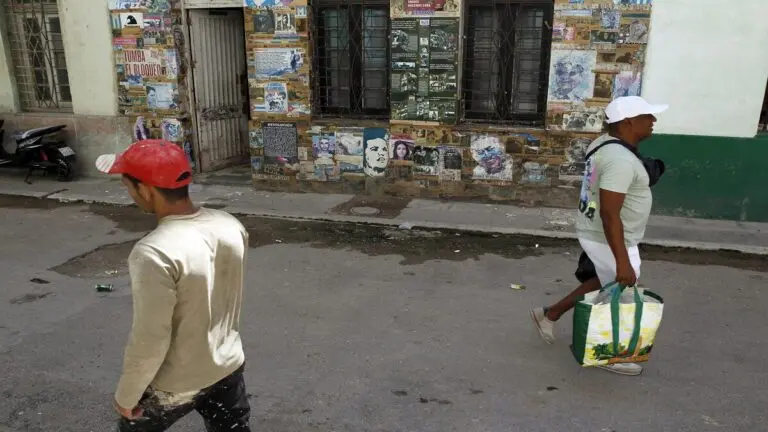
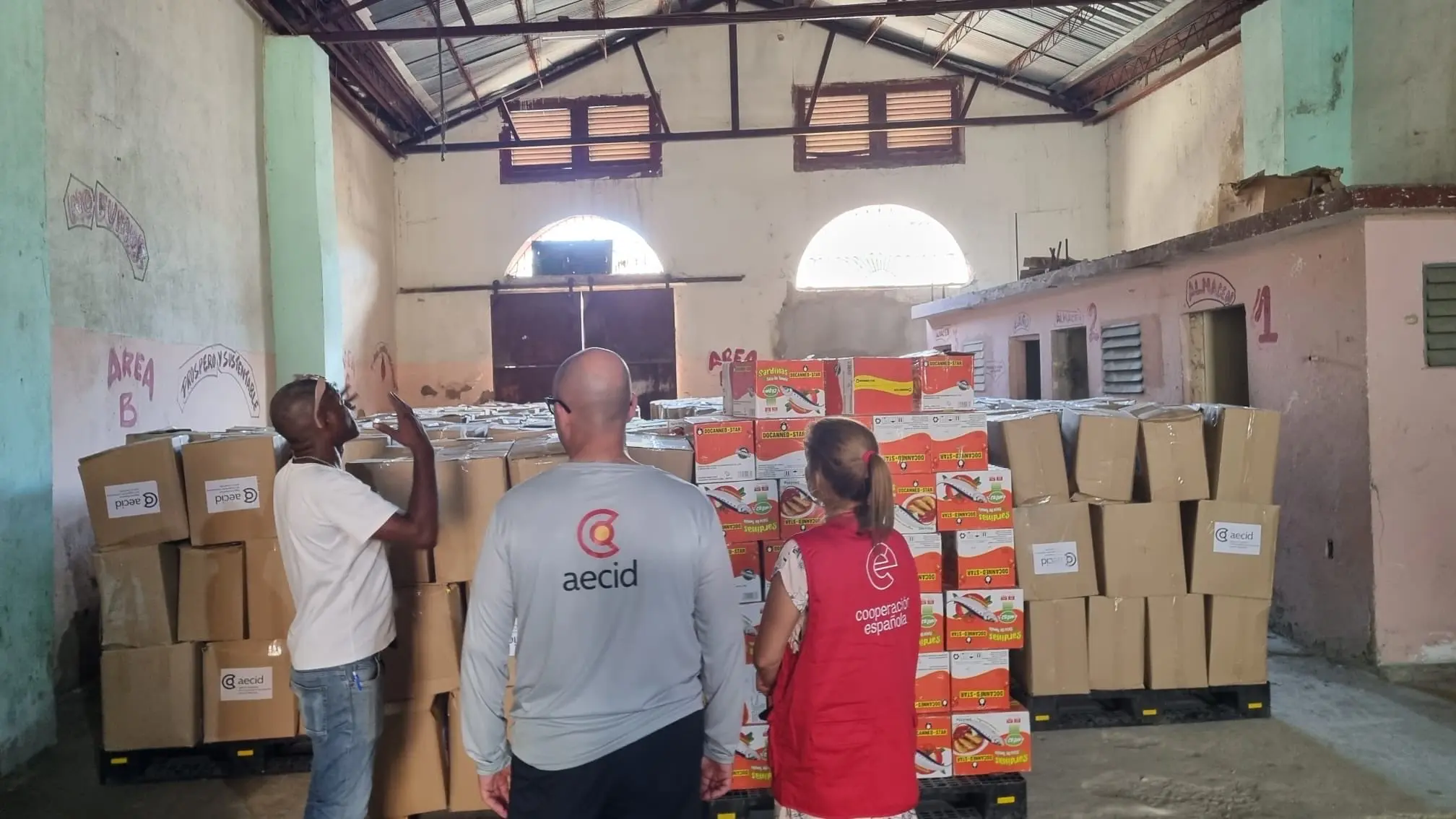
The current climate is particularly tense because U.S. rhetoric has included hostile language and even hints of military intervention. Cuban authorities say Washington’s narrative blames shortages of electricity, fuel, and food on domestic mismanagement while ignoring the impact of U.S. sanctions. For Havana, the humanitarian damage is tied directly to external policy, not just internal administration.
In practical terms, the memorandum from VIPS adds an unusual layer to the debate: criticism from inside the U.S. national-security establishment itself. That matters because it challenges the assumption that pressure alone can force political change in Cuba. It also suggests that escalation could create more instability than leverage.
Author: JMVR
Source: Agencias