


Cuba Says U.S. Sanctions Deepen Power Crisis
Cuban officials say worsening blackouts are driven by fuel shortages linked to the U.S. blockade and failures at key power plants.

Cuban authorities reported worsening nationwide blackouts amid fuel shortages and declining electricity generation capacity linked to U.S. sanctions. Photo: ACN
May 14, 2026 Hour: 2:04 am
🔗 Comparte este artículo
Authorities warn of worsening power shortages as fuel imports and generation capacity decline
Cuba said Wednesday that fuel shortages linked to US sanctions are worsening nationwide blackouts and straining the island’s electricity system.
RELATED: Cuba Does Not Threaten, but Neither Does It Fear: Diaz-Canel
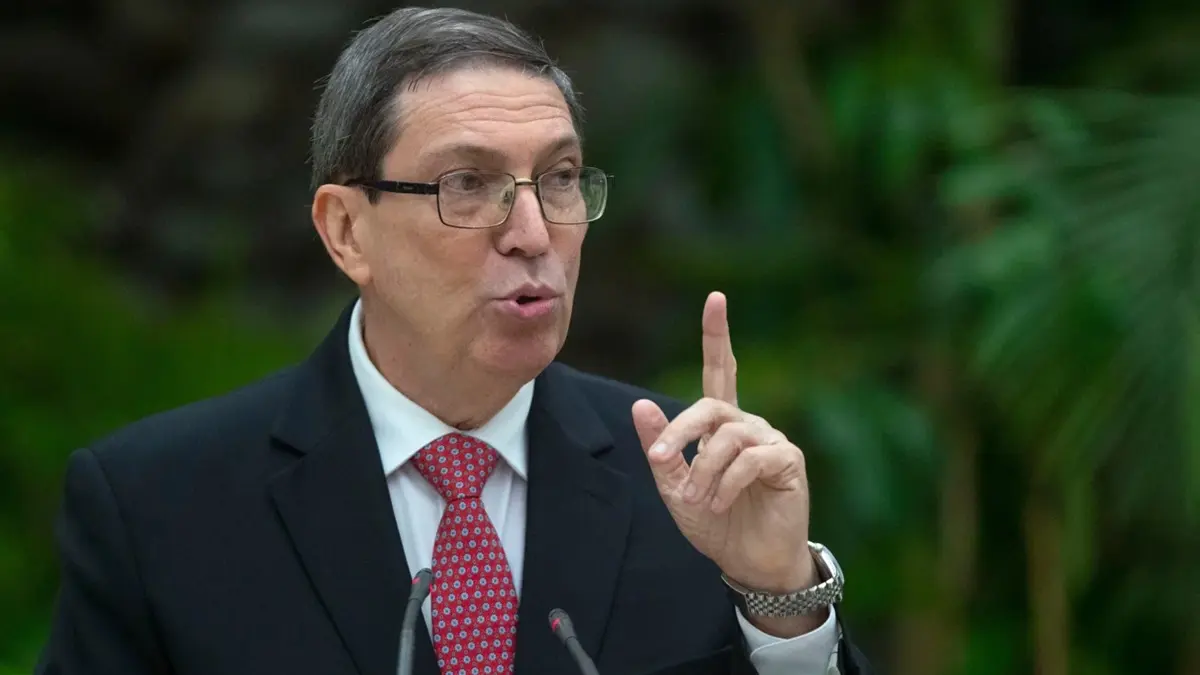
During a press conference, Cuban Energy and Mines Minister Vicente de la O Levy described the situation facing the national electrical system as “acute” and “critical,” citing severe limitations on fuel imports and reduced generation capacity.
“One more time we will speak about the situation of the national electricity system, so acute, so critical, that we are living through,” the minister said.
De la O Levy explained that only one fuel shipment has entered Cuba since December: a Russian donation of 100,000 tons of crude oil. According to the minister, the cargo temporarily allowed authorities to increase electricity generation and reduce outages in some areas, including Havana.
Text Reads: The situation of the National Electroenergy System is particularly tense in recent days. For today’s operations, a deficit of more than 2,000 MW is forecast during the peak nighttime demand period. This dramatic worsening has a single cause: the genocidal energy blockade to which the United States subjects our country, threatening irrational tariffs against any nation that supplies us with fuel.
“It is fundamentally due to the fierce energy blockade under which we are living,” he stated. “An energy blockade that came on top of a blockade we had endured for many years, and what it did was aggravate and further strain the country’s economic and energy situation.”
The minister said Cuba’s national grid currently has “no reserve” fuel available for electricity generation. He added that the system is operating primarily through thermoelectric plants, Energás facilities and photovoltaic solar parks.
At the same time, failures at major thermoelectric plants have further reduced the country’s generating capacity. De la O Levy referred to outages at the Antonio Guiteras and Felton plants, combined with fuel shortages affecting facilities in Mariel, Havana and distributed generation systems.
“This week has also been extremely tense because Felton coincided with: Mariel with no fuel at all, Havana with no fuel at all, distributed generation with no fuel at all,” he said.
Cuban authorities have promoted solar energy projects as part of a broader energy transition strategy. However, de la O Levy acknowledged that instability in the electrical grid limits the country’s ability to fully use installed photovoltaic capacity. He said Cuba currently has around 1,300 megawatts of installed solar capacity, though weather-related fluctuations and weaknesses in the system prevent full utilization.
“If the base system were more robust, it could absorb those fluctuations without major setbacks,” the minister explained.
He also reaffirmed the government’s commitment to developing domestic solutions to stabilize the national electricity system, highlighting the work of the state oil company CUPET and the Electric Union.
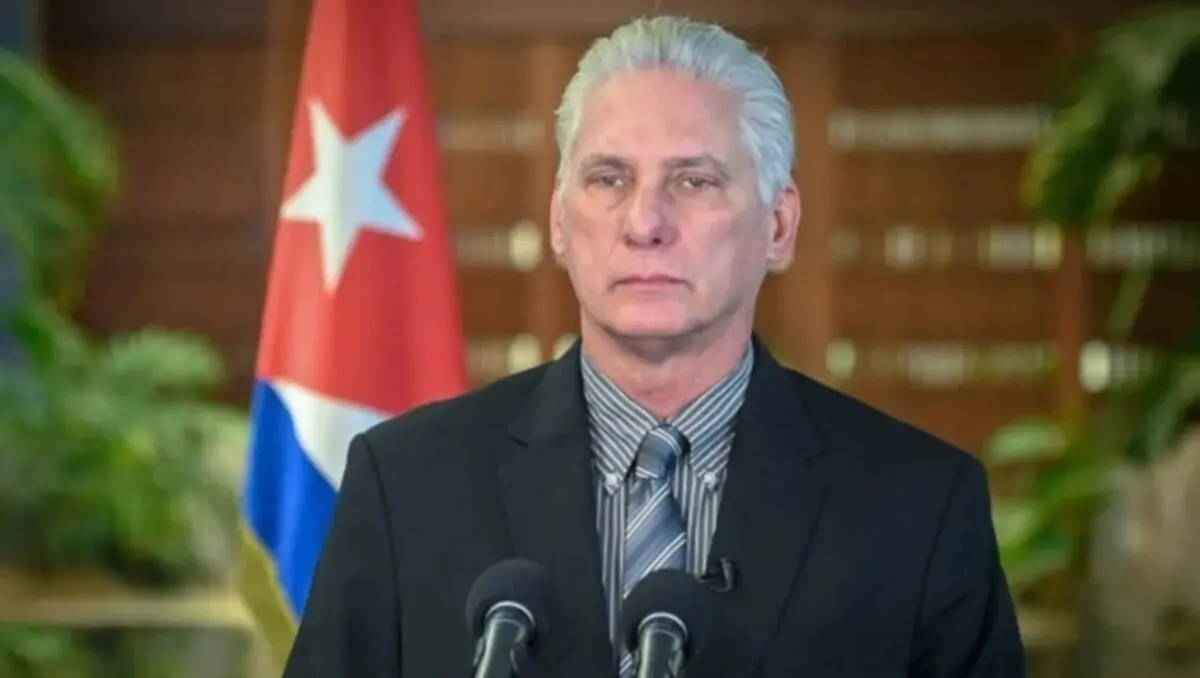
Separately, Cuban President Miguel Díaz-Canel said on social media platform X that the deterioration of the national electricity system was exclusively the result of the US “energy blockade.”
According to Díaz-Canel, Cuba expects an electricity deficit exceeding 2,000 megawatts during peak evening demand. He added that fuel shortages caused by what he described as a “criminal siege” would prevent the generation of 1,100 megawatts on Wednesday alone.
The president also pointed to a temporary improvement in electricity service during April, which he said was made possible by the arrival of a single fuel shipment. However, he noted that Cuba requires at least eight fuel vessels per month to stabilize the national grid.
“The best demonstration of what we are saying is the sensitive improvement in service during the month of April,” Díaz-Canel said, noting that blackouts eased during that period but did not disappear.
Author: MK
Source: Agencies