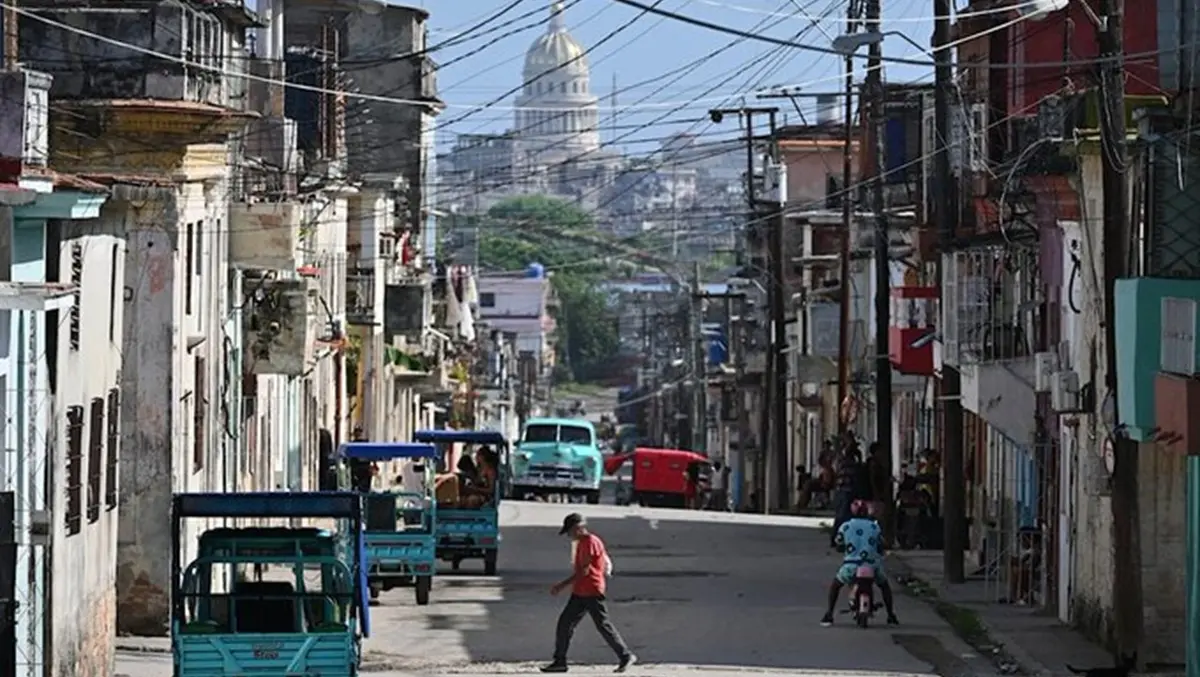








Cuba to Address Rise in Dengue and Chikungunya Cases
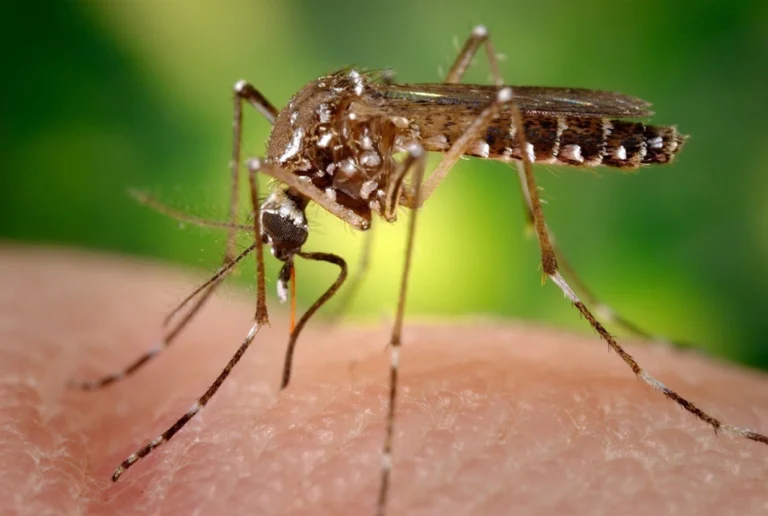
Aedes aegypti mosquito, which transmits the viruses. Photo: EFE
October 24, 2025 Hour: 1:48 pm
🔗 Comparte este artículo
Health authorities intensify epidemiological surveillance across the country.
On Friday, Health Minister Carilda Peña affirmed that twelve provinces reported increase in cases of dengue and chikungunya transmission, including Guantanamo, Ciego de Avila, Matanzas, Cienfuegos, Havana, Villa Clara, Sancti Spiritus, and Camaguey.
RELATED: Granma-Rebelde press festival concludes in Cuba
Arboviruses are agents that can cause serious complications and are transmitted through the bites of mosquitoes, ticks, and other insects. Most common types of arboviruses include West Nile virus, Zika virus, and dengue virus.
Health Minister Peña noted that thirteen territories confirmed the circulation of chikungunya, with the most concentrated outbreaks in Matanzas and Havana, where population density and geographic conditions favor the spread of the transmitting mosquito.
During the last week, 13,071 new cases of fever were recorded, reflecting the presence of the disease which acts from the first symptoms without waiting for clinical confirmation.
Given resource limitations, priority was given to the strata with the highest transmission levels. The Healht Ministry has ensured the use of insecticides and abatement in the most affected areas.
The Minister highlighted the role of the Pedro Kouri Institute of Tropical Medicine (IPK), which houses the regional reference laboratory for arboviral diseases. The laboratory works on monitoring viral behavior and anticipating risk scenarios.
Peña urged the population to maintain home hygiene and protect themselves from mosquito bites, reminding everyone that public discipline is essential to breaking the chain of transmission.
Reynol Moreiro remarked that more than 10,700 doctor’s offices remain open, with doctors and nurses prepared to provide primary care, thus avoiding unnecessary complications and hospitalizations.
He also noted that the experience gained during the COVID-19 pandemic strengthened the system’s responsiveness, which now relies on innovation and communication to address health challenges.
teleSUR: JP
Source: ACN