







Colombian Ombudsman Seeks Security Council After Two Indigenous Leaders Killed in Cauca
September 2, 2026 Hour: 7:03 am
🔗 Comparte este artículo
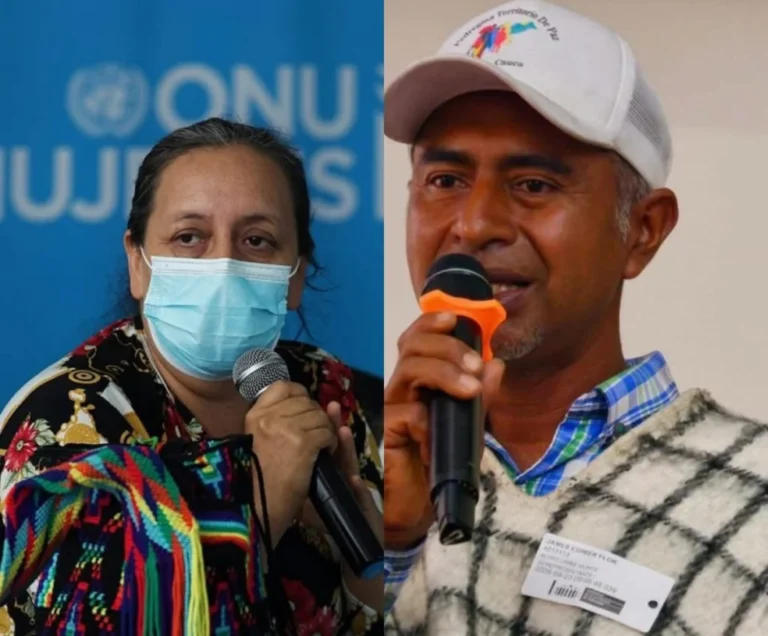
Armed gunmen killed Indigenous leaders María Ovidia Palechor and James Flor early Tuesday at their home in rural Cajibío, Cauca, prompting Colombia’s Ombudsman’s Office to request an urgent security council for the department.
Social activists and members of the Regional Indigenous Council of Cauca (CRIC) condemned the killings.
RELATED: Taxi Bomb Hits Police Station in Northeast Colombia
Palechor, a Yanakuna woman and human rights defender, had served as coordinator of the CRIC’s Life and Human Rights Defense Program and Women’s Program, and was a prominent figure in territorial defense and peacebuilding.
She had led complaints regarding the April 25, 2026, massacre in El Túnel, when a dissident FARC group used cylinder bombs to attack a rural bus and other vehicles on the Pan-American Highway in Cajibío, killing 21 people and injuring dozens. Palechor accompanied journalists covering the tragedy and told media and human rights organizations that the victims included nine women, mostly housewives, and several elderly people traveling to sell produce. She frequently served as a spokesperson for marginalized communities before the press and official bodies.
Flor was a recognized peasant leader and departmental representative of the Victims’ Participation Roundtable, as well as a municipal victims’ representative, known for defending victims’ rights and advocating for peasant communities.
Palechor, Flor, and other social leaders had repeatedly warned of the serious risks facing the community due to armed actors’ presence and intimidation, particularly following the April 25 events in El Túnel, Cajibío. They had filed multiple complaints about threats and risks, requesting Urgent Action measures from the State.
The Ombudsman’s Office has already issued its first early warning of the De la Espriella government regarding risks to Popayán’s population in both rural and urban areas.
In Cauca’s rural zones, FARC dissidents and the ELN are competing for strategic corridors connecting to Valle, Nariño, and Huila. In urban areas, local gangs and transnational drug trafficking and illegal mining networks operate.
The department has experienced selective homicides, extortion, forced recruitment, and drone attacks with explosives, to which the killings of Cajibío’s two most visible leaders are now added.