







Colombia Sends 100 Tons of Humanitarian Aid to Cuba
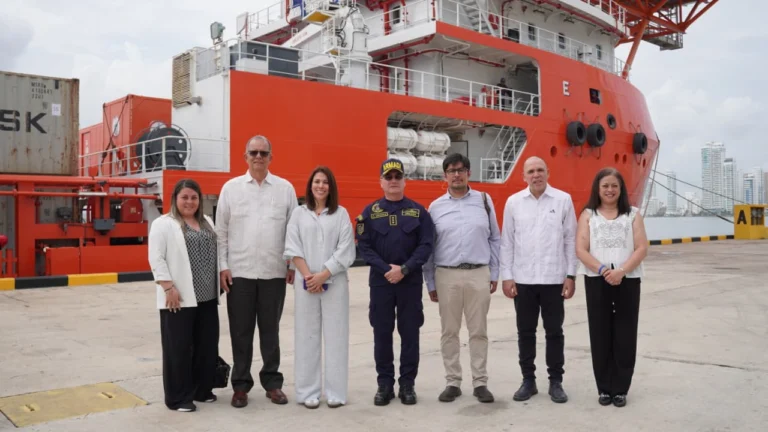
From Colombian territory, they emphasized that the shipment symbolizes solidarity that unites both peoples, making it clear that, in the face of current adversity, the way forward is collaboration and mutual assistance. Photo: X/ @APCColombia.
June 5, 2026 Hour: 6:01 pm
🔗 Comparte este artículo
The Colombia’s Government dispatched a major shipment of approximately 100 tons of aid from Cartagena to Cuba to mitigate the devastating economic effects of the illegal U.S. blockade.
This sovereign shipment consists of ninety-three tons of vital goods, including non-perishable food, specialized medicines, hospital supplies, electrical materials, essential household items, and solar panels designed to support the Cuban energy grid.
This comprehensive state assistance directly addresses the severe infrastructure damages caused by Hurricane Melissa, while simultaneously offering crucial relief to the sister nation as it navigates a complex energy crisis generated by the hostile policies of the United States.
RELATED: U.S. Activists Convocate Emergency Demonstration to Reject Blockade Against Cuba
The humanitarian operation was organized by the Presidential Agency for International Cooperation, known as APC Colombia, following an explicit Executive order issued by President Gustavo Petro. The execution of this complex logistics chain required the active participation of multiple state entities, including the Ministry of Foreign Affairs, the Colombian Family Welfare Institute, the Ministry of Agriculture, the Ministry of Mines and Energy, the National Tax and Customs Directorate, and the National Unit for Disaster Risk Management, in close coordination with the Cuban Embassy in Bogotá.
Additionally, organized civil society groups contributed to this effort. Over seven tons of separate donations were collected by grassroots movements, specifically the Movimiento Colombiano de Solidaridad and the Asociación de Cubanos Residentes, highlighting the deep bonds of brotherhood that unite both nations.
Text reads: “A humanitarian and dignity hug for Cuba! In response to the Chairman’s directive @petrogustavo, sailed today from Cartagena, the ship ARC Caribe with almost 100 tons of humanitarian aid to Cuba.”
Solidarity Overcomes Imperialist Blockade
During the official departure of the naval vessel, the director general of APC Colombia, Alexandra Palencia, emphasized that this shipment represents a powerful symbol of regional brotherhood. She asserted that in the face of international adversity, the only viable path forward is active South-South cooperation and reciprocal state assistance.
This sovereign shipment aligns with the active solidarity policy promoted by the administration of President Gustavo Petro. On May 24, following the delivery of 15,000 tons of rice from China to Cuba, the Colombian head of State publicly instructed his cabinet to purchase any domestic rice surpluses to send them urgently to the Caribbean island, emphasizing that state officials must act decisively to prevent hunger and support sister nations in times of crisis.
Text reads: “Solidarity is the tenderness of peoples,” our Director-General recalled @apalenciag during the formal sailing act of ARC Caribe. A mission that reaffirms Colombia’s commitment to the dignity of the region.”
This operation is not an isolated event. In April 2026, a military aircraft from the Catam airbase in Bogotá transported another significant shipment of medical supplies and food directly to Havana, confirming Colombia’s unwavering commitment to the sovereign island.
These cooperative actions occur within a highly hostile geopolitical landscape. Although the economic siege against Cuba has persisted for more than six decades, the latest aggressive measures signed by U.S. President Donald Trump on January 29, have severely exacerbated the situation. This controversial Executive Order threatens to impose harsh financial tariffs on any third-party country that supplies oil to the island, demonstrating the imperialist nature of Washington’s foreign policy.
Author: Laura V. Mor
Source: X/@APCColombia