4 Crucial Breakthroughs in Bolivia Child Protection Laws Empower Youth Rights
Bolivia advances in protecting children and adolescents with new laws banning child marriage and digital sexual exploitation.
September 20, 2025 Hour: 10:47 am
🔗 Comparte este artículo
Bolivia advances with new child protection laws banning child marriage and digital abuse, marking a significant step for youth rights.
Related: Bolivia Joins the Condemnation of US Violations to Venezuelan Sovereign Waters
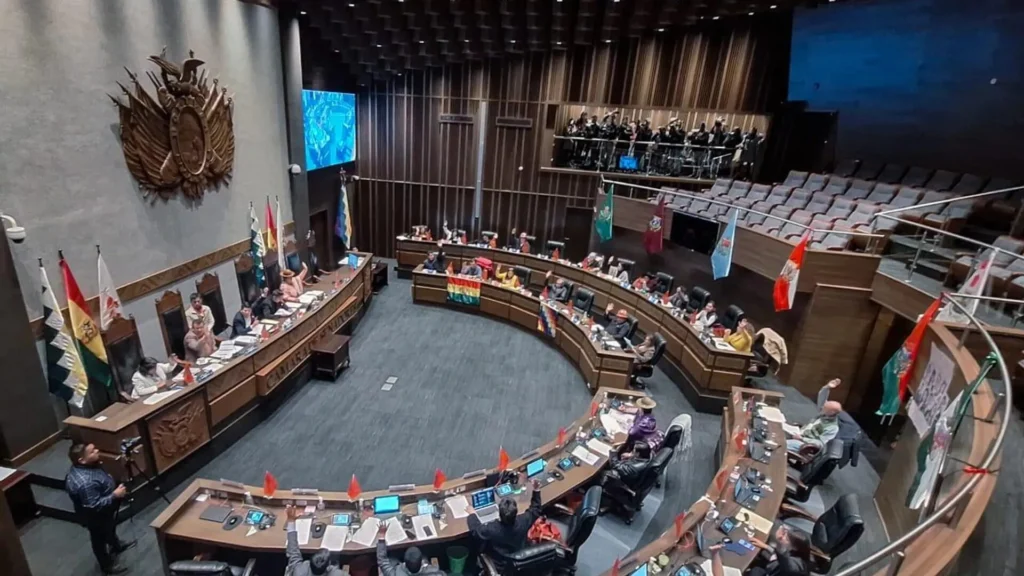
Bolivia Child Protection Laws have made significant progress as the Plurinational Legislative Assembly unanimously approved two vital regulations protecting minors’ rights. These measures mark a crucial milestone for the Andean nation’s children and adolescents by addressing child marriage and digital sexual exploitation, two pervasive threats to youth welfare.
In September, after two years of political disputes, the Chamber of Deputies agreed on legislation closing a legal gap related to increased risks for minors on digital platforms. The newly enacted Law 1636, signed by President Luis Arce on September 10, establishes strict legal frameworks with five new criminal categories to combat digital crimes against children.
President Arce emphasized that the law, proposed by the General Prosecutor’s Office, “creates a robust regulatory framework to identify, investigate, and penalize those who violate the sexual integrity of our minors through any digital platform or communication medium.” Penalties range from 10 to 15 years in prison for distributing, commercializing, or displaying sexual images or videos of minors. Contacting children for sexual purposes via electronic means carries sentences from four to eight years.
The passage of this law addresses previous impunity for digital offenses, previously unregulated under Bolivian law, which hindered adequate victim support. Tahí Abrego, director of the NGO Realidades, highlighted to Sputnik that “violence in digital spaces mirrors violence in physical spaces,” and this legal tool boosts protection for affected children and adolescents.
Alongside Realidades, organizations such as Save The Children, Internet Bolivia, and Child Fund actively supported the approval and awareness efforts surrounding this law, underscoring its importance for comprehensive child protection.
UNICEF digital child protection | Save The Children | Internet Bolivia Initiatives
Bolivia Child Protection Laws Tackle Child Marriage and Digital Violence
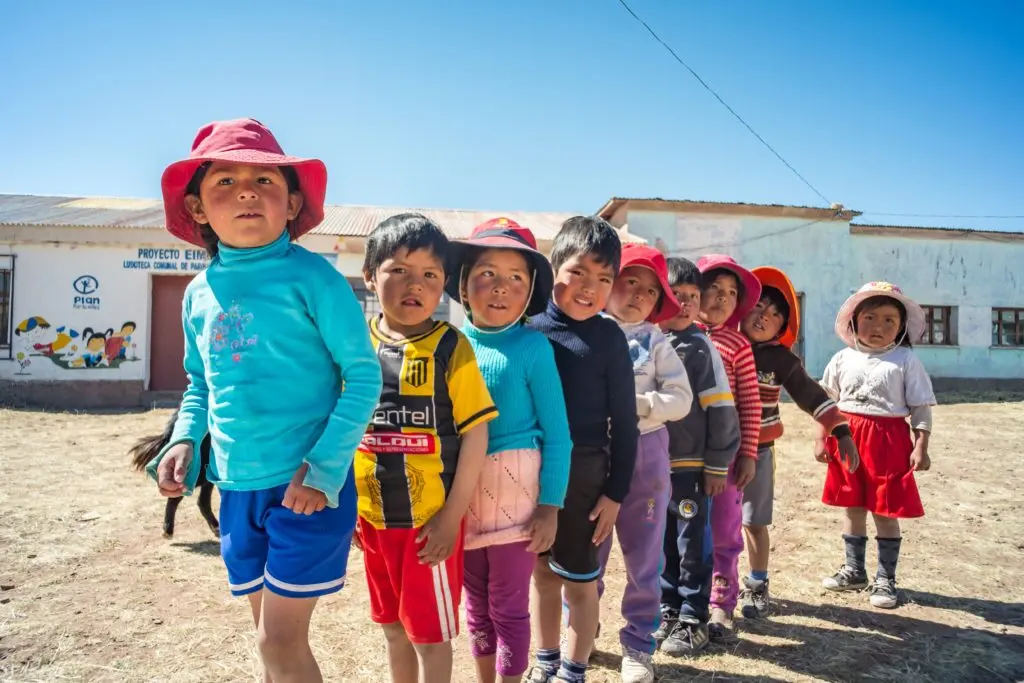
In parallel, Bolivia’s legislature passed a law prohibiting child marriage, a deeply rooted issue reflected in 5,000 legal unions involving minors over the past decade. According to the Ombudsman’s Office, between 2014 and 2023, there were 4,804 marriages involving adolescents aged 16 to 17 and 487 involving girls aged 12 to 15, despite the legal age of majority being 18 with some exceptions allowing early marriage under guardian permission.
This new legislation eradicates these exceptions by modifying the Family Code, aiming to eliminate legal grounds for unions involving minors. The move addresses significant repercussions on the health and integral development of girls and adolescents, who account for 93% of these cases, as noted by Mónica Bayá of Bolivia’s Human Rights Community.
Bayá told Sputnik that the law aligns Bolivia with international standards establishing 18 as the minimum marriage age without exceptions. However, she added that “there is still work to be done to raise awareness among the population about respecting the rights of children and adolescents to ensure healthy development, free from cultural impositions.”
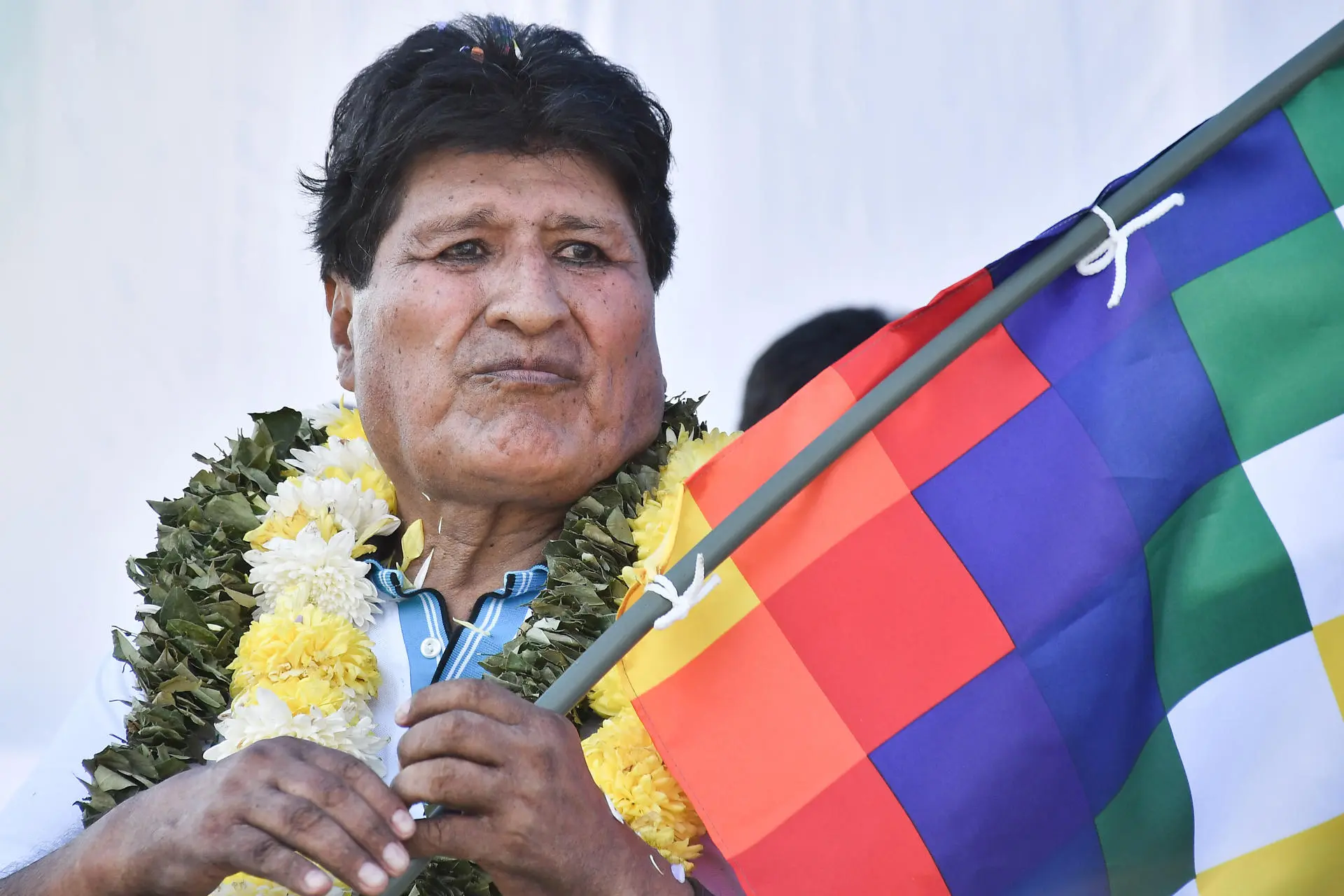
The recent high-profile case of former President Evo Morales, under investigation for aggravated human trafficking linked to a relationship with a minor, has intensified public debate on the severity of power imbalances in adult-minor relationships and the persistence of harmful social practices. Bayá stressed that “consent is not the core issue here; the essential factor is power inequality and the vulnerability of the minor, which must be protected.”
UNICEF on child marriage | Human Rights Watch on Bolivia
Geopolitical and Social Implications of Bolivia’s Child Protection Laws
From teleSUR’s perspective, these legislative advances symbolize a major step forward in safeguarding Bolivia’s children and adolescents, reflecting a country marked by political tension but also genuine social commitment. Prioritizing such laws shows that political and social will can overcome divisions and address urgent needs related to sexual violence, exploitation, and forced marriages—problems historically overlooked or normalized through legal loopholes and cultural acceptance.
Comprehensive protection demands not only legal responses but also educational and cultural transformation to dismantle social paradigms that normalize violence and exploitation. Bolivian society must strengthen prevention, care, and sanction mechanisms while fostering public awareness campaigns involving the entire community.
Women’s and social organizations celebrate these laws as tools to eradicate gender inequality and foster safe environments for children. Still, they caution that effective implementation and state commitment remain essential to transforming legislative promises into concrete protection and justice.
In summary, Bolivia is steadily advancing toward a more just legal system that recognizes children and adolescents as full rights holders and rejects harmful practices like child marriage and digital violence. This reform reaffirms the country’s dedication to human rights and international standards, aligning Bolivia with a global agenda for dignity and equity.
teleSUR will continue to monitor the reform process and its impact on Bolivian public policies, encouraging dialogue and critical reflection on child protection as foundational for building just, free, and united societies. The hope is that these laws ensure every Bolivian girl and boy grows up in a secure, respected, and opportunity-filled environment.
Author: JMVR
Source: sputnik