







Bachata: From Margins to Global Stage — The Soulful Rhythm of the Dominican Republic
August 20, 2025 Hour: 2:57 pm
🔗 Comparte este artículo
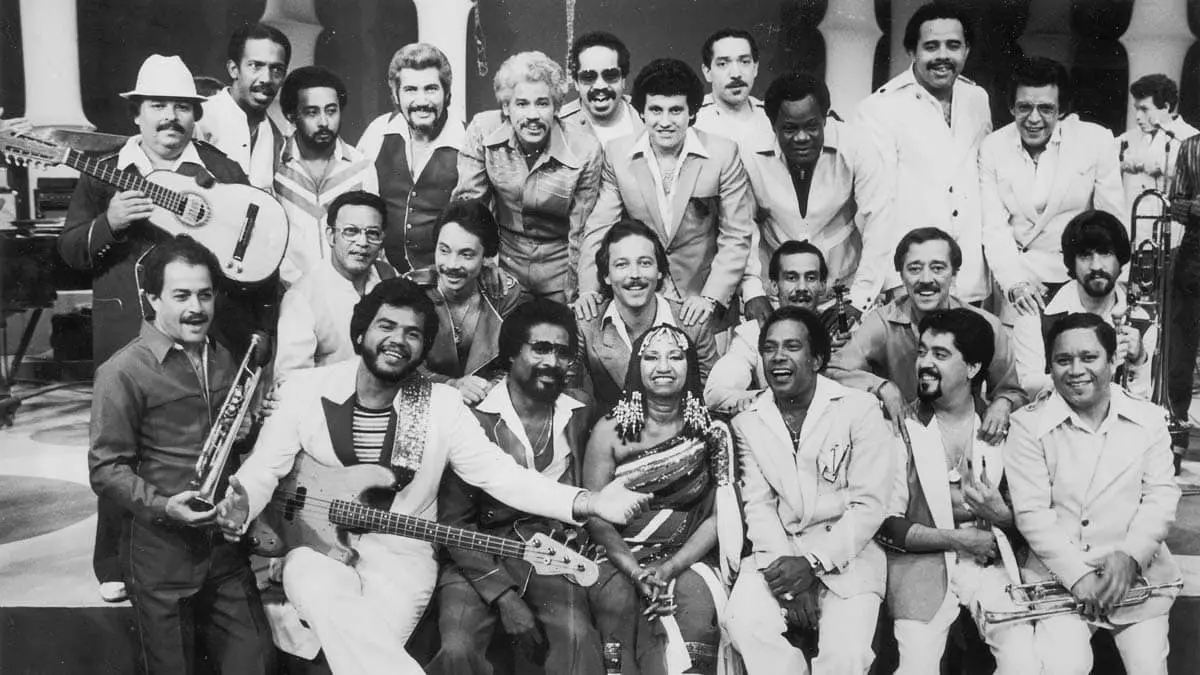
Bachata is a string- and percussion-based musical genre that originated in the Dominican Republic in the early 20th century. Rooted in Cuban son and African rhythms, it blends elements of bolero with other Latin and Caribbean styles. Its signature instruments include guitars, marimbas, maracas, güira, bongos, and timbales.
Initially dismissed as music of the poor, bachata was stigmatized for its association with rural communities, brothels, and working-class neighborhoods. Under the dictatorship of Rafael Leónidas Trujillo (1930–1961), bachata was actively suppressed in favor of merengue, which was promoted as the national sound. After Trujillo’s death, bachata slowly gained visibility and acceptance in public spaces.
By the late 1980s, its musical richness and rhythmic complexity earned it international recognition. Today, bachata is a proud symbol of Dominican identity, beloved both on the island and around the world.
- José Manuel Calderón, considered the father of bachata, recorded his first album in 1961. His heartfelt lyrics and distinctive voice earned him the title “King of Bachata,” with hits like Luna and Sálvame.
- Rafael Encarnación, another early icon, was celebrated for his vocal talent but tragically died in a car accident in 1964.
- In the 1980s, Luis Segura’s Pena por ti opened the international doors for bachata, followed by artists like Raulín Rodríguez, Teodoro Reyes, and Anthony Santos, who elevated the genre with their musical and interpretive excellence.
In the 1990s, Dominican bachateros entered the global music scene. Juan Luis Guerra’s Bachata Rosa became a radio sensation, helping cement bachata’s place in world music.
Contemporary bachateros experiment with genres like rap, bolero, blues, and reggaetón, creating new bachata fusions. While some have achieved fame and financial success, others remain in obscurity despite their talent.
One such artist is Joan Soriano, known locally as “El Duque.” The seventh of fifteen siblings in a farming family, Joan built his first guitar using fishing lines as strings. He formed a band with his brothers called Los Candes, named after their father, Candelario. At thirteen, Joan traveled to Santo Domingo to learn from bachata legends.
Back in his hometown, he continued performing until producers discovered him, helping him record albums and tour nationally and internationally. His story recently gained wider attention thanks to a documentary by Colorado filmmaker Adam Taub, who was captivated by Joan’s music and life.
Author: OSG