







Yazidi Genocide Remains Unpunished 12 Years Later: Murad
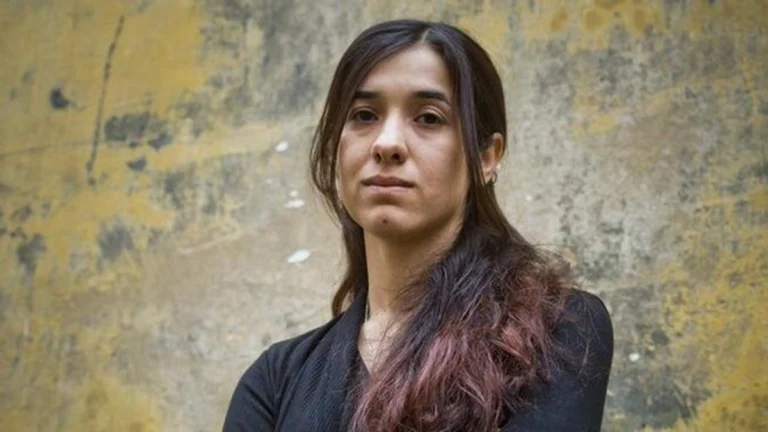
Nadia Murad. X/ @histories_arch
July 30, 2026 Hour: 11:20 am
🔗 Comparte este artículo
Nobel Peace Prize laureate urges governments to pursue justice, recover the missing and hold ISIS accountable.
On Thursday, Nobel Peace Prize laureate Nadia Murad denounced that the genocide perpetrated by the Islamic State (ISIS) against the Yazidi people remains unpunished 12 years later.
RELATED:
Alleged Islamic State Leader Detained in International Coalition Operation
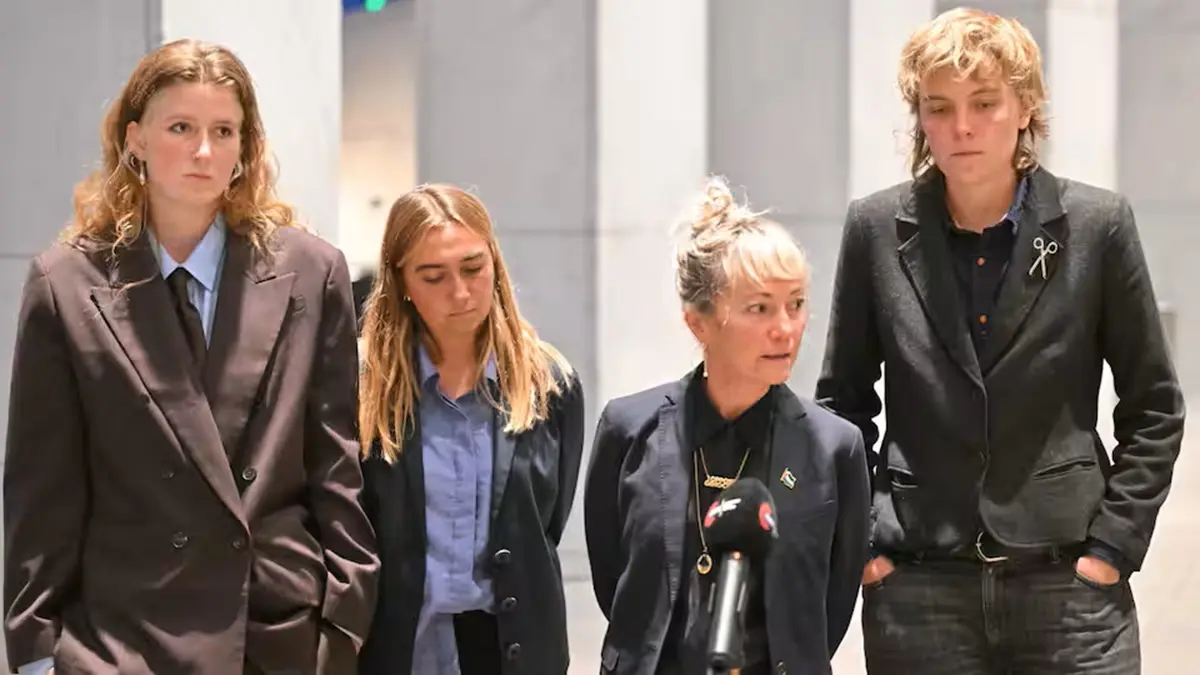
Murad and other Yazidi women who survived sexual violence and slavery visited the United Nations headquarters in Geneva ahead of Yazidi Genocide Memorial Day, observed on Aug. 3.
“Today we are here to remind states and everyone in positions of power that they must act. For 12 years we have been repeating the same issues: missing women and children, unidentified remains, the need for Yazidis to be able to return to their homes, and justice for survivors,” Murad said.
“Unfortunately, we live in an era in which the world moves very quickly from one crisis to another without resolving them, delivering justice or holding those responsible for atrocities accountable,” she stressed, lamenting that the United Nations ended its investigations into these Islamic State crimes without achieving accountability.
“Before we even had the opportunity to bury our loved ones, the mandate ended, and now all the evidence is at U.N. headquarters without having been used to prosecute ISIS members,” Murad said.
The United Nations Recognized the Sinjar Massacre as Genocide
Nadia Murad is a Yazidi human rights activist from northern Iraq who survived captivity by the Islamic State. In August 2014, ISIS militants attacked the Sinjar region, killing thousands of Yazidi men and older women while abducting thousands of women and girls, many of whom were subjected to sexual slavery, forced labor and other abuses.
Murad was among those captured before escaping several months later. Since then, she has become one of the world’s most prominent advocates for survivors of conflict-related sexual violence and for justice for the Yazidi community.
The assault on the Yazidis is widely recognized as a genocide. ISIS targeted the Yazidis, a religious minority with ancient beliefs rooted in Mesopotamia, because the group considered them heretics.
During the Sinjar offensive, thousands of civilians were killed, while more than 6,000 women and children were abducted. Many were sold, trafficked, forcibly converted or subjected to systematic rape and abuse. Hundreds of thousands of Yazidis were displaced, with many fleeing to Mount Sinjar or seeking refuge in camps across Iraq and neighboring countries.
Murad has played a leading role in raising international awareness of the atrocities committed against the Yazidis. She has addressed the United Nations, governments and international organizations, calling for accountability for ISIS crimes, support for survivors and efforts to locate thousands of Yazidis who remain missing.
In 2016, she was appointed the first U.N. Goodwill Ambassador for the Dignity of Survivors of Human Trafficking, and in 2018 she shared the Nobel Peace Prize with Congolese physician Denis Mukwege for their efforts to end the use of sexual violence as a weapon of war.
The legacy of the genocide continues to affect the Yazidi community. Thousands of people remain missing, many survivors continue to cope with severe psychological and physical trauma, and large numbers of displaced Yazidis have yet to return permanently to their homes because of insecurity, damaged infrastructure and limited economic opportunities.
International investigators and several governments have formally recognized the ISIS campaign against the Yazidis as genocide, while survivors and advocacy groups continue to press for prosecutions, reparations and the recovery of those still unaccounted for.
teleSUR/ JF
Sources: EFE – UNITAD – AI