


World Cup 2026 Playoffs Ongoing: 22 Countries, 6 Spots

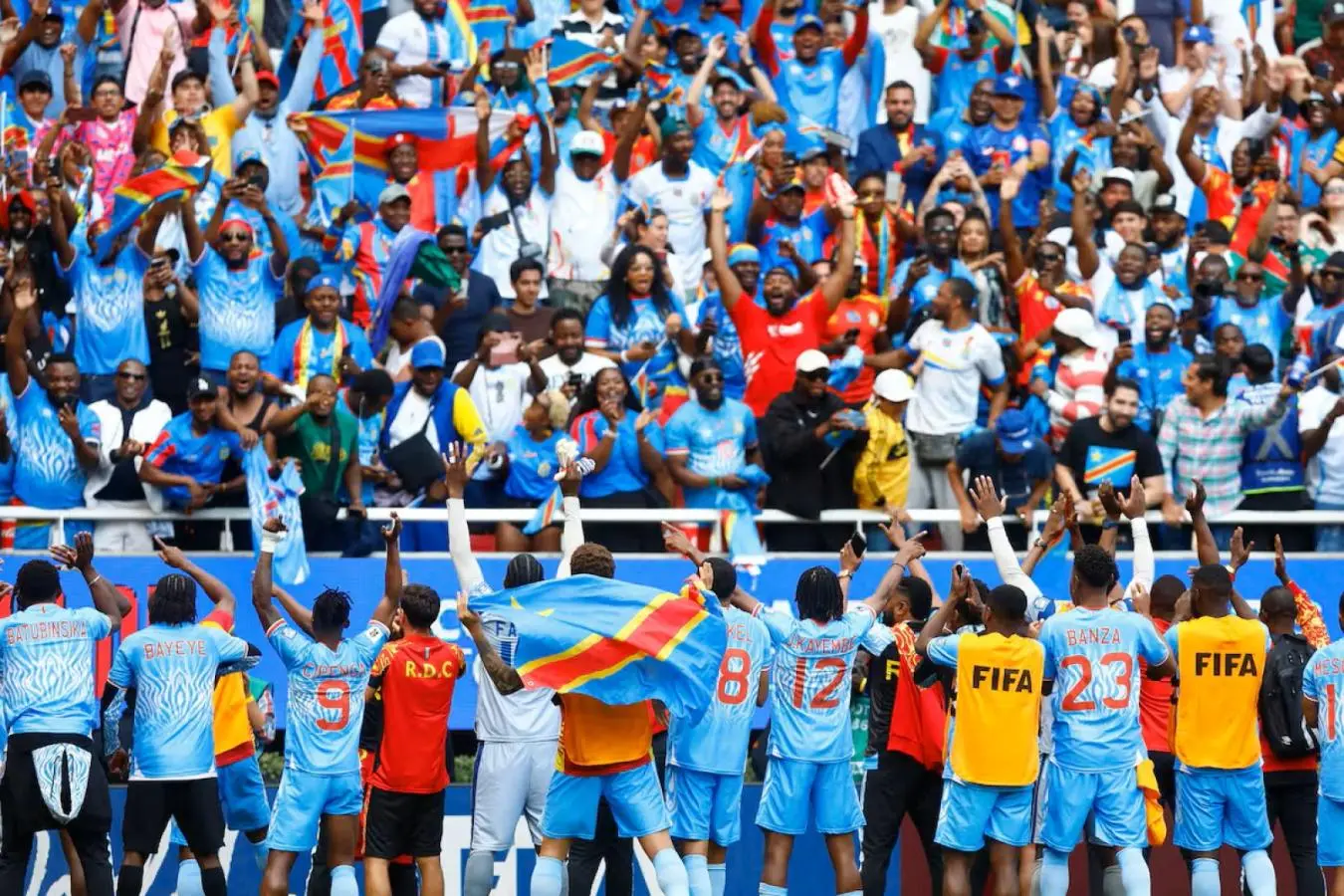
The fight for the last tickets to the World Cup moves to Mexico: semi-finals of the qualifying tournament under the new FIFA format. Photo: EFE.
March 25, 2026 Hour: 4:19 pm
🔗 Comparte este artículo
16 European national teams and six intercontinental contenders began their battle for the final six berths in the expanded 48-team FIFA World Cup, with matches unfolding across Europe and Mexico’s Guadalajara and Monterrey, intensifying the global qualification race.
The 2026 FIFA World Cup qualifiers enter their most critical phase on March 25, as 16 European national teams and six intercontinental contenders battle for the final six spots in the expanded 48-team tournament across Europe and Mexico’s cities of Guadalajara and Monterrey.
This revised FIFA format underscores a global expansion, offering unprecedented opportunities for nations across all confederations.
The road to the 2026 World Cup, co-hosted by the United States, Canada, and Mexico, is reaching its climax with these decisive playoffs. The new 48-team format, a significant departure from previous editions, has reshaped the qualification landscape, intensifying the competition for every remaining berth. Two distinct pathways -the European route and the Intercontinental Playoff Tournament- will determine the ultimate qualifiers, each presenting unique challenges and historical stakes.
In Europe, 16 national teams are locked in a fierce contest for four coveted slots. Twelve of these teams earned their place in this playoff stage by finishing as runners-up in their respective qualifying groups. The remaining four positions were allocated based on sporting merit through the UEFA Nations League rankings, ensuring a high level of competition from the outset. This system guarantees that only the most resilient and performing teams advance to the final stage.
All eyes are on the Italian national team, a four-time world champion, facing the immense historical pressure of avoiding a third consecutive absence from football’s premier event.
In stark contrast to Italy, nations such as Kosovo and Albania approach this stage with the ambition of securing an unprecedented qualification in their institutional history. Their participation highlights the inclusive nature of the expanded tournament, providing emerging footballing nations with a tangible path to the global stage.
The final two World Cup spots will be decided in the cities of Guadalajara and Monterrey, Mexico, designated by FIFA to host the Intercontinental Playoff Tournament. This unique competition brings together six national teams representing five confederations: Jamaica and Suriname from Concacaf, Iraq from Asia, the Democratic Republic of Congo from Africa, Bolivia from Conmebol, and New Caledonia from Oceania.
FIFA Ranking Format
The four lowest-ranked teams will compete in semifinal matches. Today, Bolivia and Suriname are playing a decisive match at the BBVA Stadium in Monterrey. The victors of this initial phase will advance to the finals next Tuesday, where they will confront the two highest-seeded teams in direct matchups that will determine the ultimate tickets to the World Cup.
For several federations, this format represents a historic opportunity. Nations like Suriname and New Caledonia hold concrete mathematical chances of making their debut in a World Cup for the first time. This clearly evidences the global expansion sought by FIFA with this new tournament scheme, aiming to diversify representation and foster football development worldwide.
Meanwhile, teams with prior experience, such as Bolivia, are looking to capitalize on the neutrality of the North American venues to consolidate their return to the tournament. Their quest for qualification adds another layer of intrigue to the intercontinental playoffs, demonstrating the enduring ambition of established footballing nations to reclaim their place among the world’s elite.
Author: Laura V. Mor
Source: FIFA