







What to Know About Iceland’s Vote on Reopening EU Accession Talks
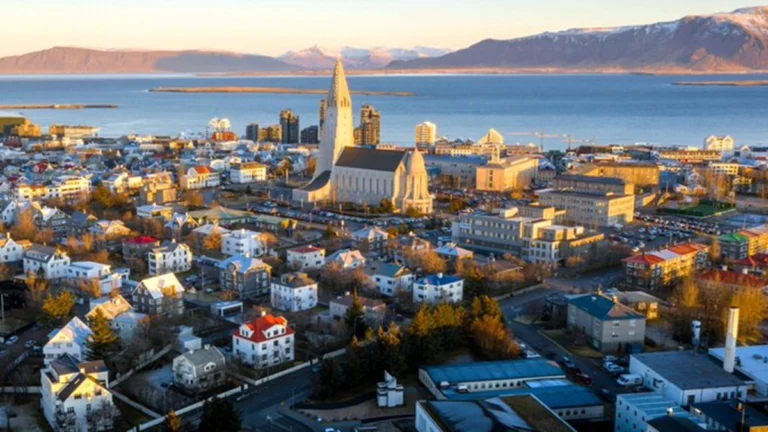
A view of Iceland. X/ @EUPerspectives
August 28, 2026 Hour: 8:56 am
🔗 Comparte este artículo
If ‘No’ wins, Iceland’s relationship with the EU would continue largely through the EEA and Schengen frameworks.
On Saturday, Icelanders will head to the polls to decide whether the Nordic island nation should reopen accession negotiations with the European Union (EU), more than a decade after the talks were put on hold.
RELATED:
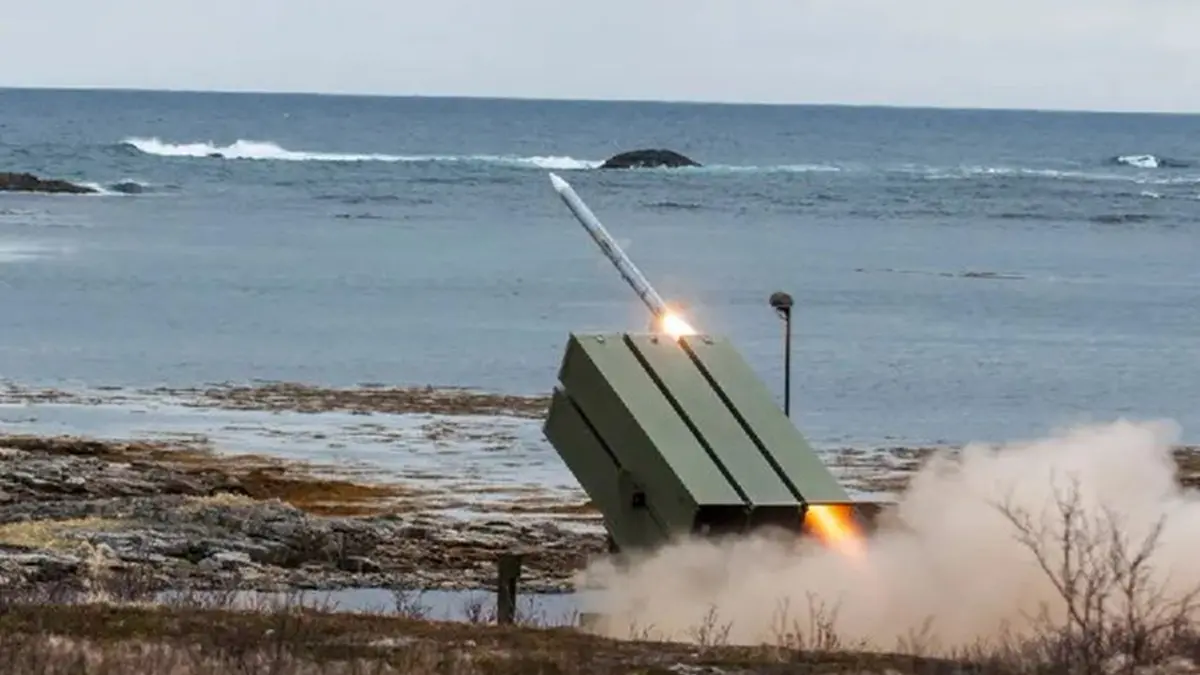
Belgium Takes Over NATO Air Defense Mission in Iceland
The referendum comes as Iceland reconsiders its relationship with Europe amid domestic concerns over the economy and growing geopolitical uncertainty in the North Atlantic. But the outcome remains too close to call.
WHAT EXACTLY IS ICELAND VOTING ON?
The nationwide referendum will be held on Aug. 29. Voters will be asked whether Iceland should reopen accession negotiations with the EU, with a simple choice of “Yes” or “No.” Iceland’s parliament, the Althingi, approved the referendum in late May by 34 votes to eight, with 14 abstentions.
It will be the first time Icelanders have been asked directly at the ballot box whether their country should pursue accession negotiations with the EU.
A “Yes” vote would not mean Iceland is joining the bloc. Instead, it would give the government a mandate to reopen negotiations and see what terms Iceland could secure.
If the talks eventually produced an accession treaty, the deal would be put to Icelanders in a second referendum. Prime Minister Kristrun Frostadottir has stressed that Iceland would not join the EU unless voters had said “yes” twice.
Iceland is already closely integrated with the EU. It has been part of the European Economic Area (EEA) since 1994 and is also a member of the Schengen Area and the European Free Trade Association. Through the EEA, it participates in the EU’s single market and applies a significant share of EU legislation, but has no vote on many of the rules it later implements.
WHY IS THE EU QUESTION BACK NOW?
Iceland applied for EU membership in July 2009 after the global financial crisis devastated its banking system and sharply weakened the Icelandic krona. Formal accession negotiations began in 2010.
The process stalled after the 2013 election brought the EU-skeptic Independence and Progressive parties to power. The government at the time suspended the talks, with some of the most sensitive issues, particularly fisheries and agriculture, still unresolved. In 2015, it informed the EU that Iceland should no longer be considered a candidate country.
The issue returned after another political shift. The coalition formed in December 2024 by the Social Democratic Alliance, the Reform Party and the People’s Party pledged to hold a referendum on continuing EU accession negotiations no later than 2027, and parliament later set the vote for Aug. 29.
Economic concerns remain a major factor behind the renewed push. The 2024 coalition agreement paired the referendum pledge with a review of Iceland’s currency options, while the inflation, high interest rates and the vulnerabilities of a small, open economy have long featured prominently in the country’s European debate.
Finnish Arctic geopolitics scholar Lassi Heininen told Xinhua that the referendum is “mainly driven by Iceland’s domestic politics,” including financial and political considerations, much as economic difficulties had helped drive the country’s first membership bid.
But the external environment has also changed significantly. Tobias Etzold, a senior adviser at the Brussels-based European Policy Centre, said growing great-power competition in the strategically important North Atlantic has increased uncertainty for smaller states and given fresh momentum to Iceland’s EU debate.
Etzold pointed to “growing doubts over an unreliable U.S.,” Washington’s stated interest in “buying” or “taking” Greenland, and concerns over a weakened NATO.
For Iceland, a NATO member with no standing army, uncertainty over U.S. President Donald Trump’s commitment to the country’s security has strengthened the case for looking more closely to Europe, Etzold said.
Icelandic Foreign Minister Thorgerdur Katrin Gunnarsdottir has also pointed to a more protectionist international environment, sudden U.S. tariffs and the growing use of trade as a foreign policy tool.
CAN THE REFERENDUM PASS? AND WHAT HAPPENS NEXT?
The vote remains too close to call. A Gallup poll released on Thursday put “No” at 51.6 percent and “Yes” at 48.4 percent among decided voters, with the difference not statistically significant. A survey released on Tuesday by the Maskina polling agency showed the opposite, giving “Yes” 51.3 percent and “No” 48.7 percent.
Fisheries and agriculture remain among the most sensitive issues in the referendum debate. Marine products accounted for 38.9 percent of Iceland’s goods exports in 2025, while concerns center on control over natural resources, food security and how EU common policies could affect Iceland’s fisheries and highly protected farm sector.
Brussels has nevertheless signaled some room for negotiation. EU Commissioner for Fisheries and Oceans Costas Kadis said in April there was “definitely room for flexibility” on fisheries, while Kos has suggested that “creative solutions” could be explored for Icelandic agriculture and fisheries.
If “Yes” wins, the government has said it will notify the EU, establish a negotiating team and seek to reopen the talks.
Icelandic authorities estimate negotiations could take around one and a half to two years, while EU Commissioner for Enlargement Marta Kos said they could potentially be completed within one to two years because Iceland already applies much of the EU rulebook through the EEA.
The process, however, would not simply resume where it stopped in 2013. An Icelandic parliamentary committee said in May that negotiating positions across all chapters would need to be reviewed after more than a decade of changes, including those previously provisionally closed.
The result could also have implications beyond Iceland. Steven Blockmans, deputy director of the International Centre for Defence and Security, said a positive result could sustain momentum behind EU enlargement and strengthen the bloc’s geopolitical credibility, while a rejection could reinforce skepticism toward enlargement.
Heininen said that a “Yes” vote could have “direct influences” on domestic politics in Norway and possibly Greenland. If the process eventually led to Iceland joining the EU, he said, Nordic politics and some regional security affairs would become more “Europeanized,” while the EU would gain greater weight in Arctic affairs and cooperation.
If “No” wins, the current Icelandic government has said accession negotiations will not resume, while Iceland’s relationship with the EU would continue largely through the EEA and Schengen frameworks.
teleSUR/ JF
Source: Xinhua