







War on Iran Raises Fuel Prices in Central America
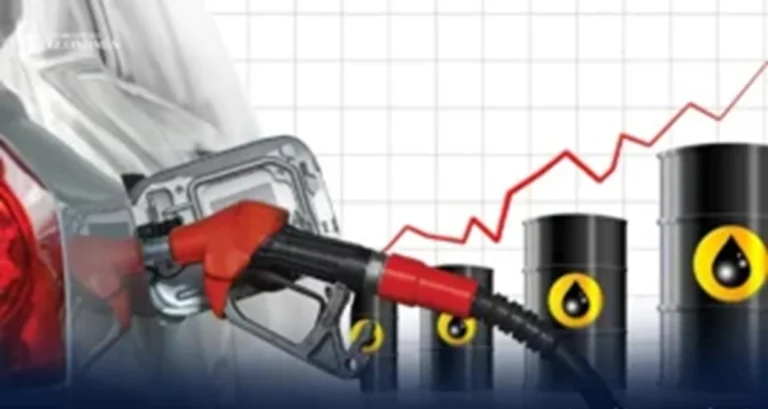
Photo: Prensa Latina
March 20, 2026 Hour: 12:19 pm
🔗 Comparte este artículo
An impact on the transport and food sectors is expected.
Central America, a region heavily reliant on fuel imports, is feeling the effects of the U.S.-Israeli war on Iran with rising gasoline prices, which are now selling for more than US$4 per gallon. This is generating concern among consumers about the expected impact on the transportation and food sectors.
RELATED:
U.S.-Israeli War on Iran Prompts Turbulence in Oil Prices
In Panama, El Salvador, Honduras, Guatemala, and the Dominican Republic, a gallon of gasoline is selling for between US$4.09 and US$4.90, while in Nicaragua and Costa Rica it exceeds US$5, although both countries have special circumstances in place. Authorities have attributed the increase to market volatility stemming from the U.S.-Israel war on Iran.
In Panama, where prices are adjusted every two weeks, gasoline is now selling for a maximum of US$1.19 per liter or US$4.62 per gallon for 95-octane gasoline, US$4.32 per gallon for 91-octane gasoline, and US$4.76 per gallon for diesel, with increases of between US$0.74 and US$1.18.
“We understand that this increase directly impacts Panamanian families, transportation, and the daily dynamics of the economy,” the Energy Secretariat stated in a public declaration.
Text reads, “Long lines formed at gas stations as drivers filled their tanks ahead of tomorrow’s price increase, which will put a gallon of 95-octane gasoline at $4.32, 91-octane at $4.07, and diesel at $4.57.”
Supply Strain
Many drivers filled their tanks on Thursday to avoid the new prices, including a Panamanian taxi driver who commented that he drives without air conditioning to consume less gasoline and that, if this trend continues, he will look for another job, since he cannot raise fares without government authorization.
This anticipation is also being seen in El Salvador, where drivers are filling up a day before the gasoline price change. On March 17th, the price increased between 25 and 26 cents per gallon, reaching highs of between US$3.85 and US$4.09.
Meanwhile, in Guatemala, the cost has risen by about US$1.30 in the last two weeks, settling between US$4.60 and US$4.90 per gallon of regular gasoline.
Social media is rife with comments about reduced fuel efficiency, and Guatemalan authorities are conducting operations to prevent price gouging at gas stations.
Subsidies, price freezes, and advance purchases
Central American governments are implementing measures to minimize the impact on the population and production processes.
In Honduras, where gasoline prices have risen between 11 and 15 cents and are selling for between US$3.81 and US$4.27 per gallon, the government will absorb 50% of the price increase for regular gasoline and diesel, costing the state approximately 50 million lempiras (US$1.8 million) per week.
The Dominican Republic also allocated a subsidy of approximately US$19.8 million to prevent further increases in fuel prices. Kerosene prices rose by US$1.20 to US$5.70 per gallon, while premium and regular gasoline are selling for US$4.90 and US$4.60, respectively.
In Costa Rica, gasoline is selling for between US$5.07 and US$5.11 per gallon, following the last price adjustment in February.
“We put fuel purchases out to tender once a year, which gives us a competitive advantage in the region because we buy in bulk and secure very competitive freight and insurance prices. However, what happens in a highly oil-producing region will impact the entire global market,” explained Karla Montero, president of the state-owned Costa Rican Petroleum Refinery.
Text reads,”Due to geopolitical tensions in the Middle East, preliminary data sent to Aresep indicate a slight decrease in super gasoline and moderate increases in regular gasoline, diesel, and gas for the month of April.”
In Nicaragua, the price has remained frozen since April 2022 at $5.06 per gallon for premium gasoline, $4.94 for regular gasoline, and $4.47 for diesel, according to the Nicaraguan Energy Institute.
This situation reflects the vulnerability of Central American economies to fluctuations in the international hydrocarbon market, while consumers and governments seek mechanisms to mitigate the impact on household budgets and productive sectors.
Author: HGV
Source: Agencias