







Venezuela Rejects Trump’s Authorization of CIA Covert Operations
The Bolivarian Foreign Ministry repudiated “the warmongering and extravagant statements of the president of the United States, in which he publicly admits to having authorized operations to act against the peace and stability of Venezuela.”
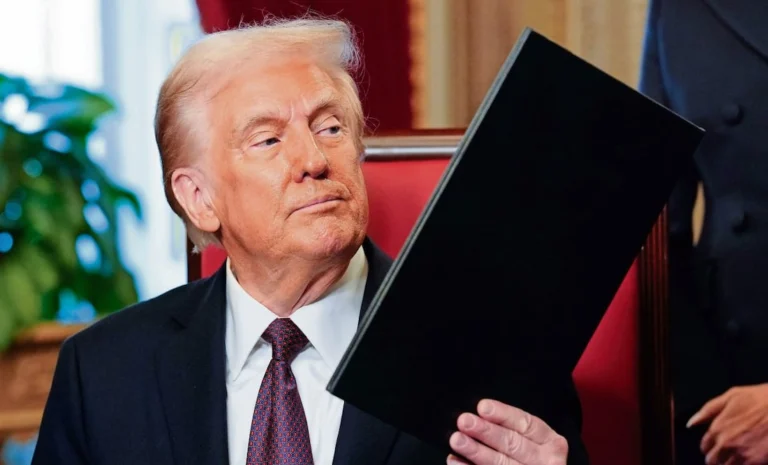
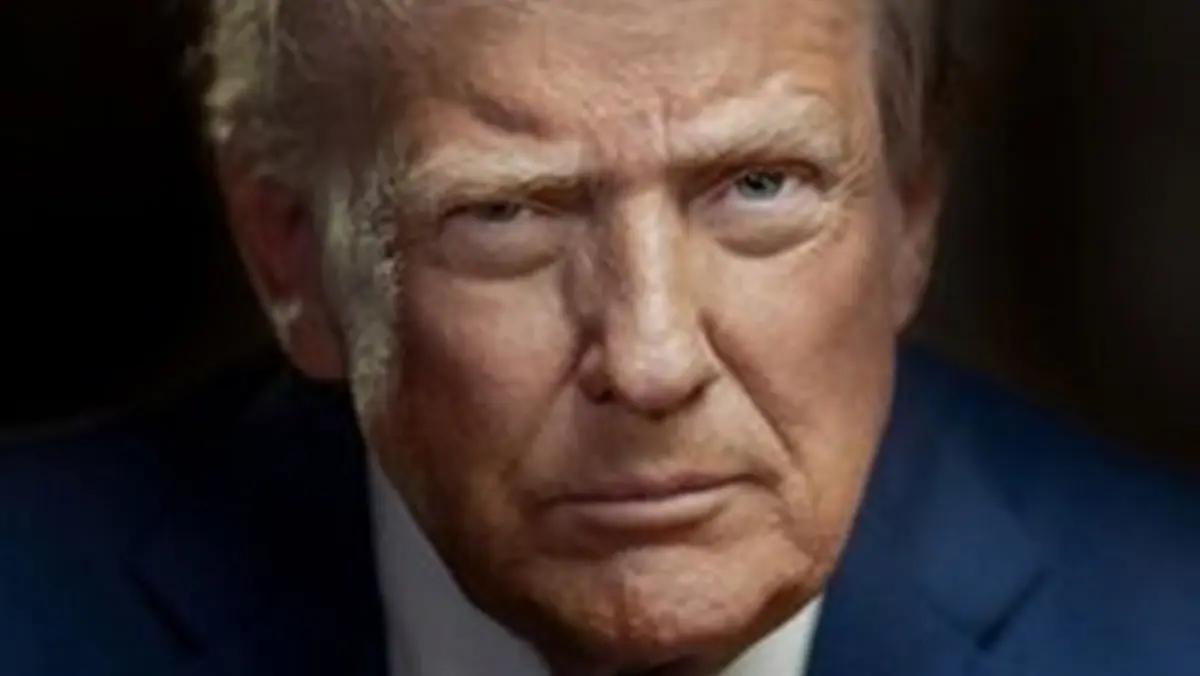
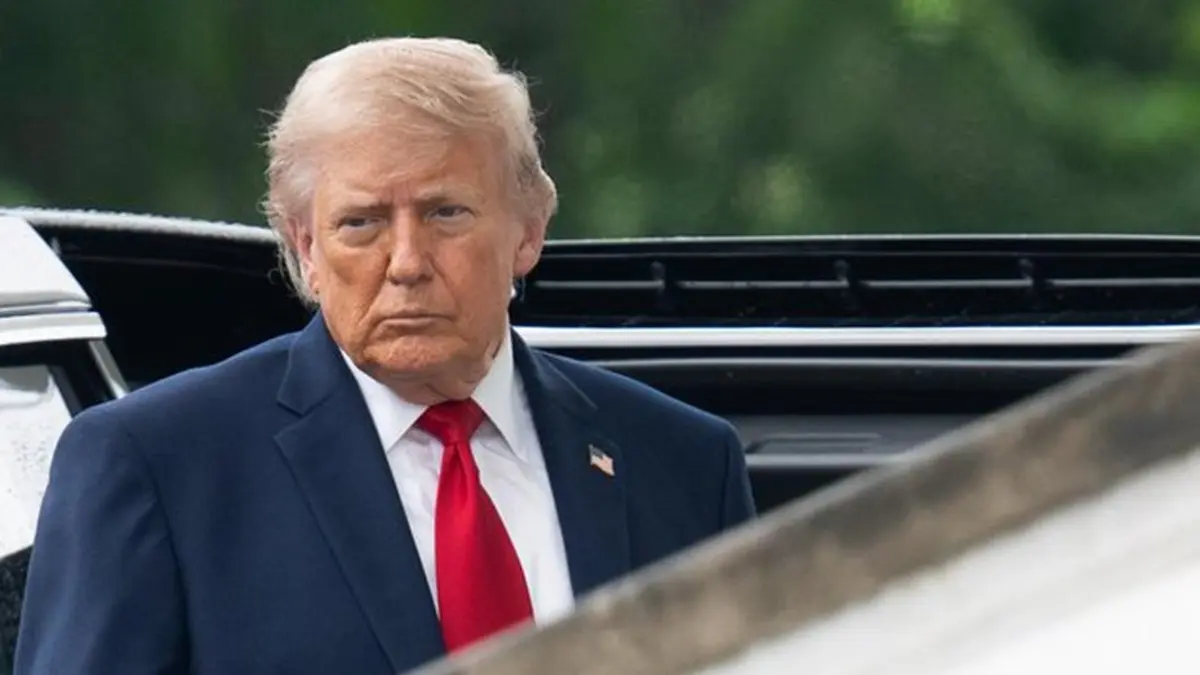
An exclusive report by the New York Times reveals that the Trump administration has secretly authorized the CIA to carry out covert actions in Venezuela, including lethal operations. Photo: EFE
October 15, 2025 Hour: 9:10 pm
🔗 Comparte este artículo
The government of the Bolivarian Republic of Venezuela issued a strong statement Wednesday in response to U.S. President Donald Trump’s statements, in which it takes for granted the reports cited by the New York Times revealing that the president secretly authorized the Central Intelligence Agency (CIA) to carry out covert operations — including lethal actions — in Venezuelan territory.
The measure, contained in a classified “presidential determination,” has the explicit objective of “removing Nicolás Maduro from power,” according to anonymous sources cited by the U.S. newspaper.
In its statement, Caracas described the statements of the U.S. president as “warmongering and extravagant,” and denounced that they constitute a “very serious violation of International Law and the Charter of the United Nations.”
The text stresses that such actions not only threaten Venezuelan sovereignty, but also represent a dangerous escalation in U.S. foreign policy toward Latin America.
Lethal operations and military deployment
According to the New York Times report, signed by Julian E. Barnes and Tyler Pager, the authorization granted to the CIA allows “to carry out lethal operations in Venezuela and to carry out a series of operations in the Caribbean.”
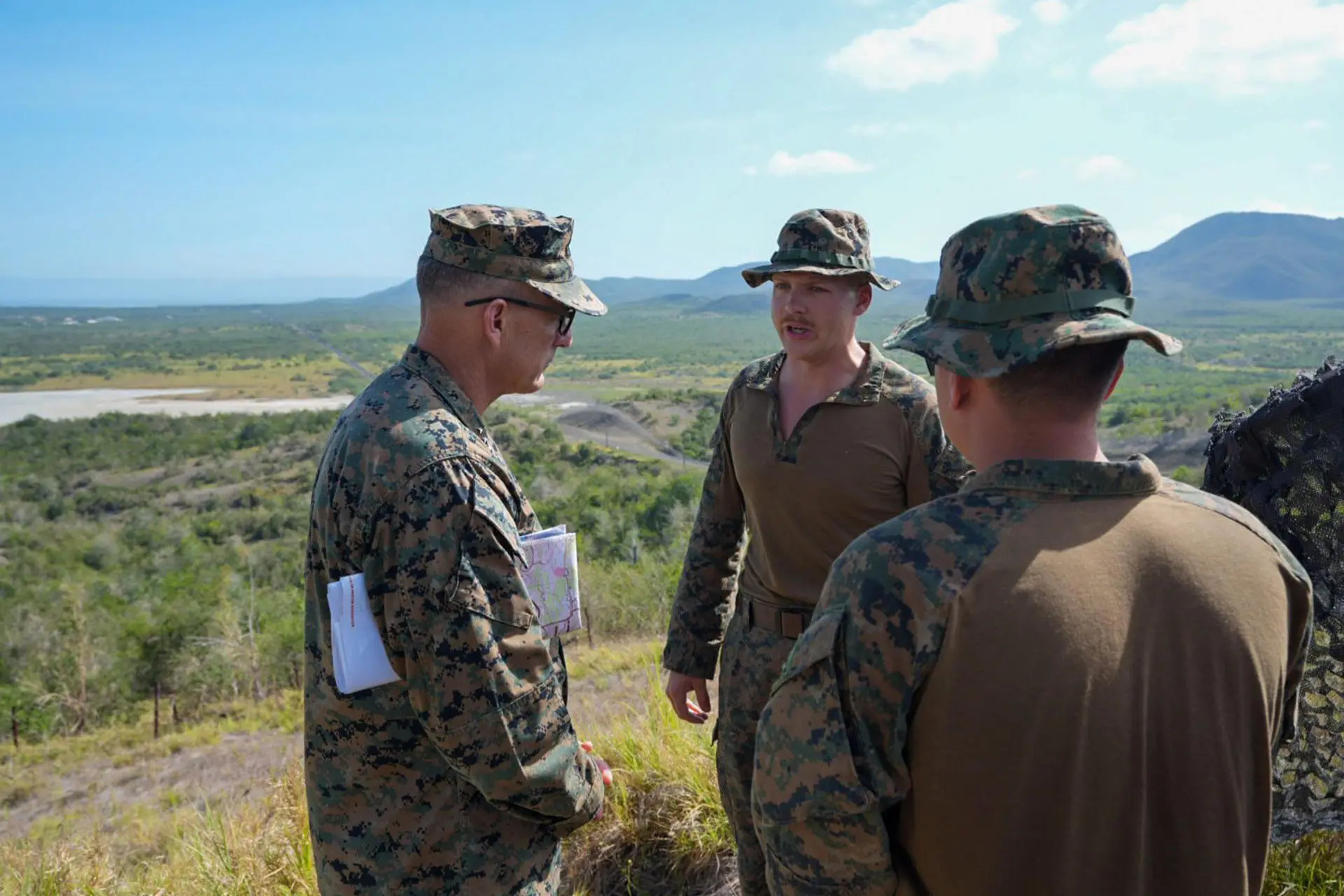
This announcement coincides with an unprecedented military deployment in the region: currently, the United States has some 10,000 soldiers, eight surface warships and a nuclear submarine positioned in the Caribbean, according to Pentagon sources quoted in the note.
CIA Director John Ratcliffe this year promised a “more aggressive” and “less risk-averse” agency, aligned with President Trump’s vision of using all the instruments of American power to achieve his geopolitical goals.
During his confirmation hearing, Ratcliffe claimed that the CIA, under his command, would be willing to “go places that no one else can go and do things that no one else can do.”
Faced with this situation, Venezuela formally filed a complaint during the extraordinary meeting of foreign ministers of the Community of Latin American and Caribbean States (CELAC), convened by the Pro Tempore Presidency of Colombia.
The Venezuelan government demanded an “immediate regional response” and announced that its Permanent Mission to the United Nations will raise the complaint to the Security Council and the Secretary General, requesting “accountability” from the U.S. government and the adoption of “urgent measures to prevent a military escalation in the Caribbean.”
It should be recalled that in 2014, CELAC formally declared the Caribbean a “zone of peace”, a commitment that is now seriously threatened by Washington’s actions.
The justification for interventionism
The Venezuelan statement also accuses President Trump of using Venezuelan and Latin American migration as a pretext to justify interventionist policies and feed “xenophobic and dangerous discourses.”
In a recent statement to reporters, when asked if the CIA had the authority to “eliminate Maduro,” Trump avoided answering directly, but claimed that “Venezuela is feeling the pressure” and blamed migrants for “burdening” the United States with “mentally ill” and “criminally ill people.” The New York Times contextualizes the current authorization within the CIA’s long history of covert interventions in Latin America, including the overthrow of Guatemalan President Jacobo Árbenz in 1954, the failed Bay of Pigs invasion of Cuba in 1961, the coup in Brazil in 1964, and the overthrow of Chilean President Salvador Allende in 1973. These operations have left a deep mark on the collective memory of the region and fuel distrust of Washington’s intentions.
The Venezuelan government concludes its statement by warning that “impunity for these acts will have dangerous political consequences” and urges the international community to act firmly to avoid a new crisis in a region already marked by geopolitical tensions, inequalities and complex migratory flows
Author: HGV
Source: Yvan Gil