Venezuela Oil Production Hits 1.25 Million Barrels Daily in Major Recovery
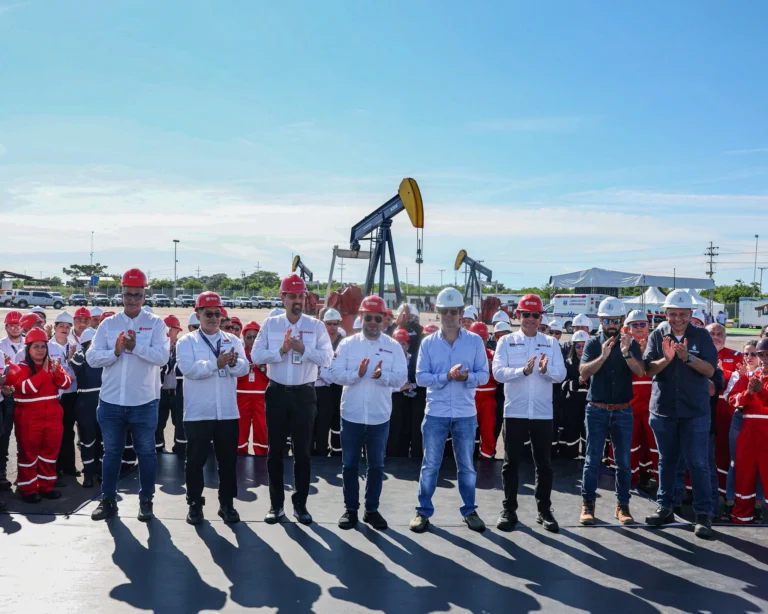
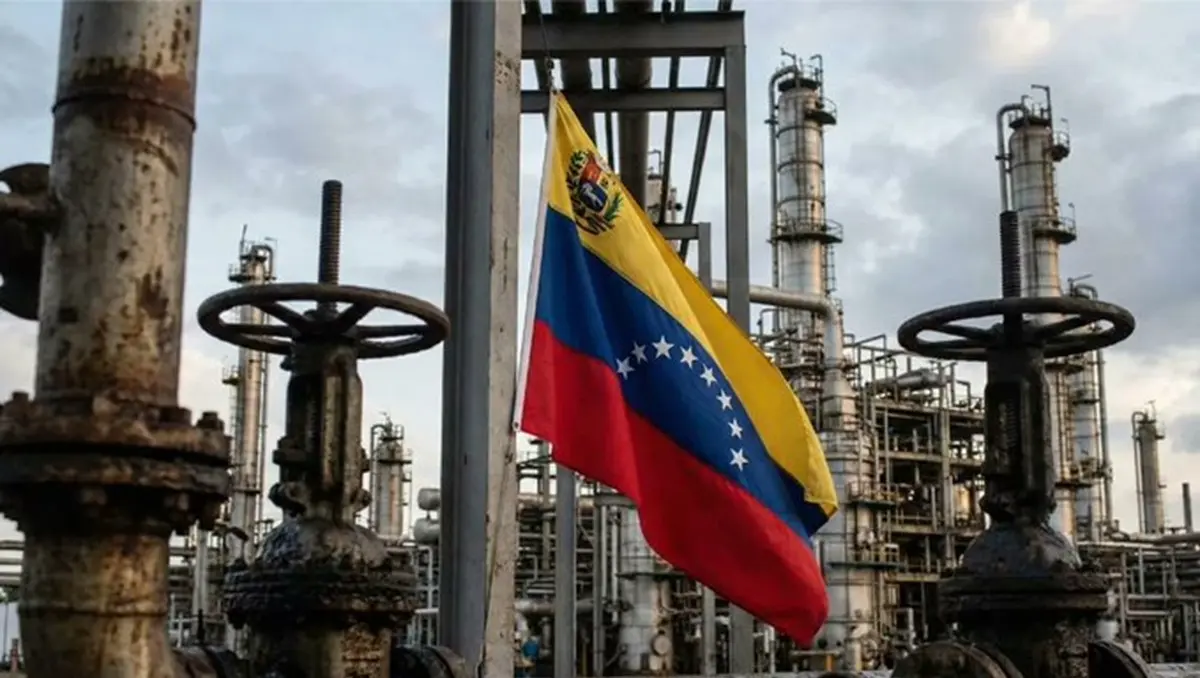
Venezuela’s oil production reached 1.252 million barrels per day on October 23, according to PDVSA officials. Photo: @PDVSA.
October 24, 2026 Hour: 12:32 pm
🔗 Comparte este artículo
Venezuela oil production reaches 1.252 million barrels per day, its highest level since 2019, as Caracas advances an energy agreement with Washington.
Related: Venezuelan Acting President Reviews Progress on U.S. Oil Agreements
Venezuela Oil Production Reaches 1.25 Million Barrels Daily
Venezuela oil production reached 1.252 million barrels per day on Friday, October 23, its highest level since 2019, according to Petróleos de Venezuela, known as PDVSA.
Eduardo Lorenzo Pinto Salazar, PDVSA’s vice president for exploration and production, announced the figure during an operational review led from Caracas.
The increase marks a significant recovery for Venezuela’s energy sector, which has faced years of sanctions, underinvestment, infrastructure damage and operational constraints.
Pinto Salazar said the country had “truly broken the limits” that the industry had maintained in recent years. He said the improvement was driven mainly by higher output in western Venezuela.
Production in the western region reached 382,500 barrels per day, according to PDVSA officials.
The company also reported a record output of 115,000 barrels per day at the Petrozamora joint venture in Zulia state. Officials expect production there to rise to 120,000 barrels per day by the end of the year.
The announcement was made during an inspection of oil fields along the eastern shore of Lake Maracaibo, in Zulia.
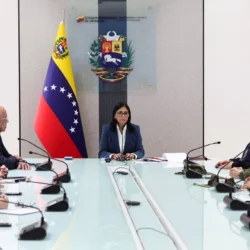
Acting President Delcy Rodríguez led the review from Caracas, alongside US Chargé d’Affaires John Barrett.
The two officials monitored the technical progress of projects linked to the Venezuela-US energy agreement signed in August.
The agreement covers the development of 17 oil fields with an estimated 65 billion barrels of proven reserves.
Venezuelan authorities say the accord is based on mutual respect, sovereignty and bilateral complementarity. They say it is designed to attract investment while ensuring that oil revenues support social programs and public services.
The agreement includes eight greenfield blocks in the Orinoco Oil Belt and nine fields in the Maracaibo Basin, according to statements from the Venezuelan government.
Venezuela’s government says the plan could attract more than $100 billion in investment and generate more than $209 billion in tax revenue over 25 years.
The stated goal is to raise national production to more than 1.5 million barrels per day over the life of the agreement.
Venezuela Oil Production Rises in Lake Maracaibo
The rise in Venezuela oil production has been concentrated in the Lake Maracaibo basin, the country’s historic oil-producing heartland.
The region has long been central to Venezuela’s petroleum industry, but it has suffered from aging infrastructure, power shortages, maintenance problems and reduced investment.
PDVSA said the recent increase reflects improved operational performance, rehabilitation of wells and stronger coordination with joint ventures.
The company reported that the Bachaquero and Ceuta fields, located in Zulia state, contributed to the recent gains.
Petrozamora, one of the joint ventures operating in the area, reached its highest daily production level to date.
The increase in western Venezuela is significant because the region had been one of the areas most affected by the decline in national output.
Venezuela’s oil industry was once among the largest in the world. The country holds some of the largest proven crude reserves globally, particularly in the Orinoco Oil Belt.
However, production fell sharply after 2017 as a result of US sanctions, capital flight, loss of technical personnel, deteriorated infrastructure and reduced access to international markets.
PDVSA’s output had fallen below 1 million barrels per day in recent years, according to independent estimates and OPEC data.
The current recovery has been supported by agreements with international partners and a partial easing of restrictions on oil operations.
The Venezuelan government says oil revenues must now be directed toward restoring essential services.
Rodríguez said the recovered oil wealth should generate stable and dignified incomes for workers and help reverse the damage caused by years of economic pressure.
She said priority would be given to funding the national electricity system, health care, education and drinking-water services.
The government has emphasized the need to use revenues from industrial recovery to address the needs of communities in oil-producing regions.
Zulia has faced recurring electricity failures, water shortages and deterioration of public infrastructure.
Officials say the increase in production could provide resources to stabilize wages and improve living conditions in the region.
The Venezuelan government has also stressed that oil revenues should be used to strengthen national sovereignty and reduce dependence on external financing.
Venezuela-US Agreement Reshapes Energy Relations
White House fact sheet | Center for Strategic and International Studies
The Venezuela oil production increase comes after the signing of a strategic energy agreement between Caracas and Washington in August 2026.
The agreement grants North American Blue Energy Partners, known as NABEP, concessions to develop 17 oil fields for up to 100 years.
The White House says the deal gives the United States majority control over more than 65 billion barrels of Venezuelan proven reserves.
NABEP has granted the US Department of War’s Office of Strategic Capital a 35 percent equity stake in its corporate parent.
The agreement also gives the US Department of State the right to purchase 20 percent of production at cost and a right of first refusal over the remaining 80 percent.
The White House says the arrangement is intended to secure a stable and low-cost oil supply for the United States and to support the replenishment of its Strategic Petroleum Reserve.
Venezuelan authorities describe the agreement as a partnership based on sovereignty and mutual benefit. They say it will finance the recovery of the country’s oil industry and generate revenues for social investment.
The agreement has generated debate because of its long-term concessions and the extent of US involvement in Venezuela’s energy sector.
Supporters argue that it could bring much-needed capital, technology and expertise to an industry that requires major rehabilitation.
Critics say the arrangement raises questions about national control over natural resources, transparency and the distribution of benefits.
The full text of the agreement has not been made public, according to international media reports.
The deal is part of a broader shift in relations between Venezuela and the United States after years of confrontation, sanctions and diplomatic tensions.
Washington has said the agreement is intended to secure energy supplies and support Venezuela’s economic recovery.
Caracas has said the accord will strengthen bilateral relations and facilitate investment in strategic infrastructure.
The agreement covers both oil and gas projects and includes plans for the development of new production blocks.
Venezuela’s government says the partnership will allow the country to increase output while maintaining sovereignty over its natural resources.
Geopolitical Context
The increase in Venezuela oil production has implications for global energy markets, regional politics and relations between Latin America and the United States.
Venezuela holds one of the world’s largest proven oil reserves, but its output remains far below its historical peak.
A sustained recovery could increase Venezuela’s role in global oil markets and strengthen its position within OPEC.
The country’s return to higher production levels could also affect oil prices, particularly if output continues to rise over the coming years.
For the United States, the agreement represents an effort to secure access to oil supplies within the Western Hemisphere.
The deal could reduce US dependence on suppliers in other regions and strengthen energy security at a time of global market volatility.
For Latin America, the agreement signals a major change in the political and economic relationship between Venezuela and Washington.
The accord could influence investment flows, regional energy cooperation and the position of other countries that have maintained relations with Venezuela despite US sanctions.
It could also reshape debates over sovereignty, foreign investment and the role of multinational companies in the region’s natural-resource sectors.
Venezuela’s government says the recovery of its oil industry is essential to rebuilding the economy and restoring public services.
The country has faced years of economic crisis, inflation, migration and infrastructure deterioration.
The increase in production could provide resources to address some of those challenges, but experts say the impact will depend on how revenues are managed.
The government has pledged to direct oil revenues toward social investment, including electricity, health care, education and water services.
The coming months will show whether Venezuela can sustain the recent increase and move closer to its target of 1.5 million barrels per day.
For now, the country has recorded its highest daily output since 2019, a milestone that could mark the beginning of a broader recovery in its energy sector.
Author: JMVR
Source: Agencias