







Venezuela Reports 21 Straight Quarters of Economic Growth
Venezuela has recorded 21 consecutive quarters of economic growth, while the UNDP projects 6.5% GDP expansion in 2026 despite $6.7 billion in estimated earthquake damage.
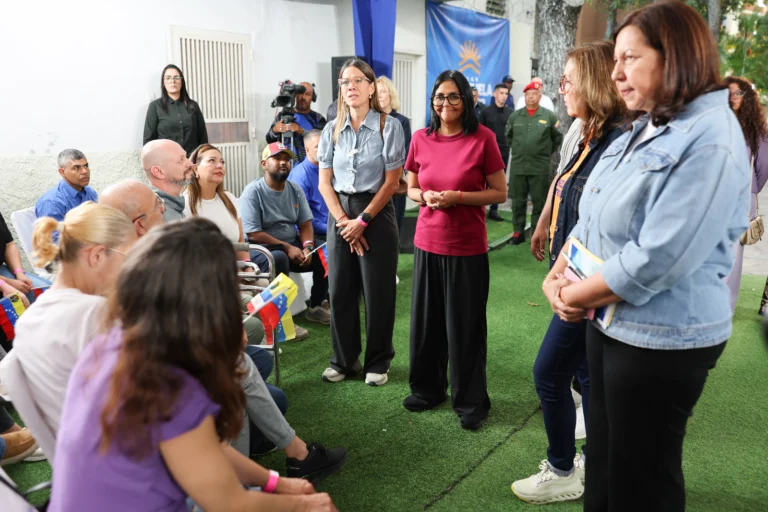
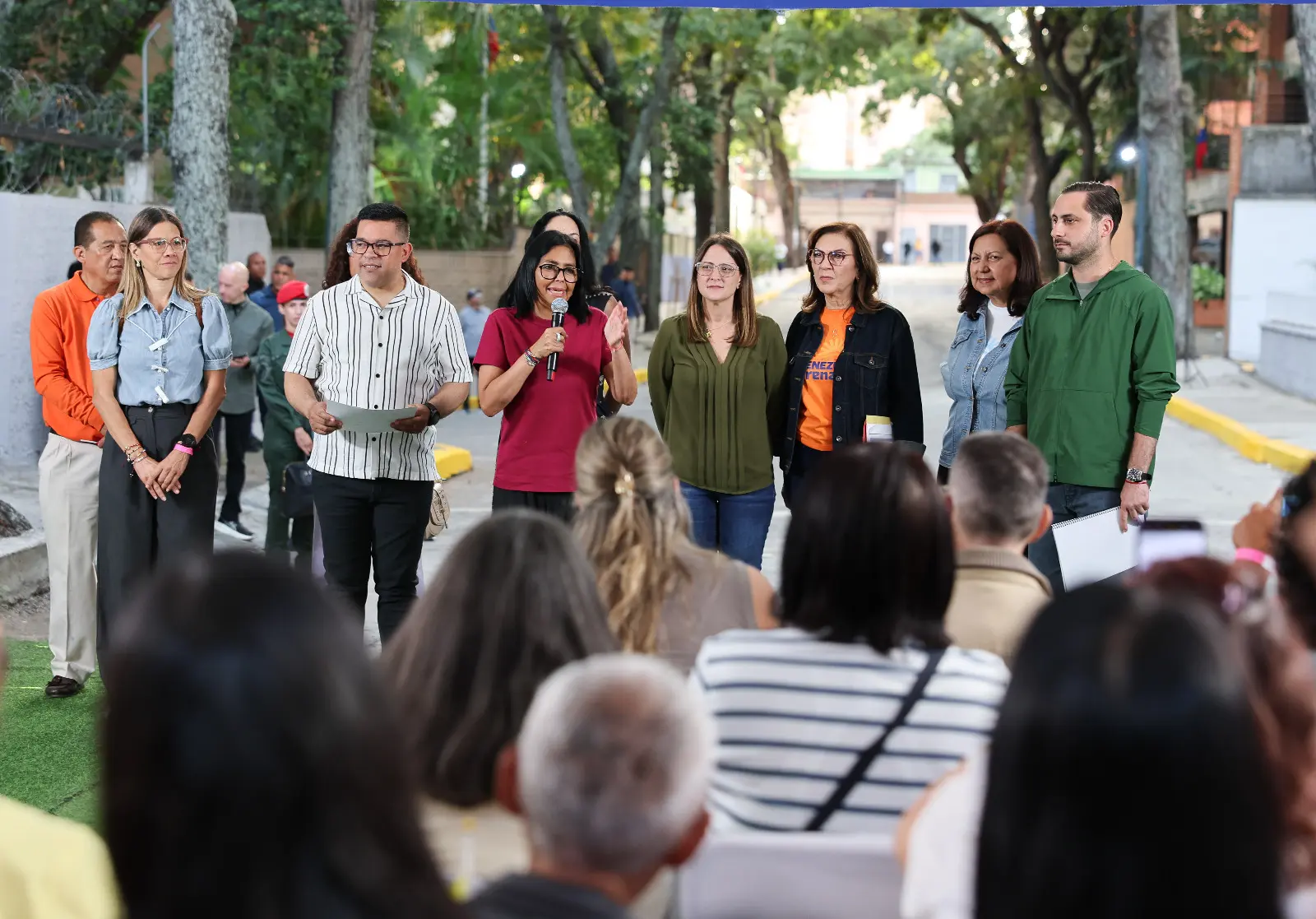
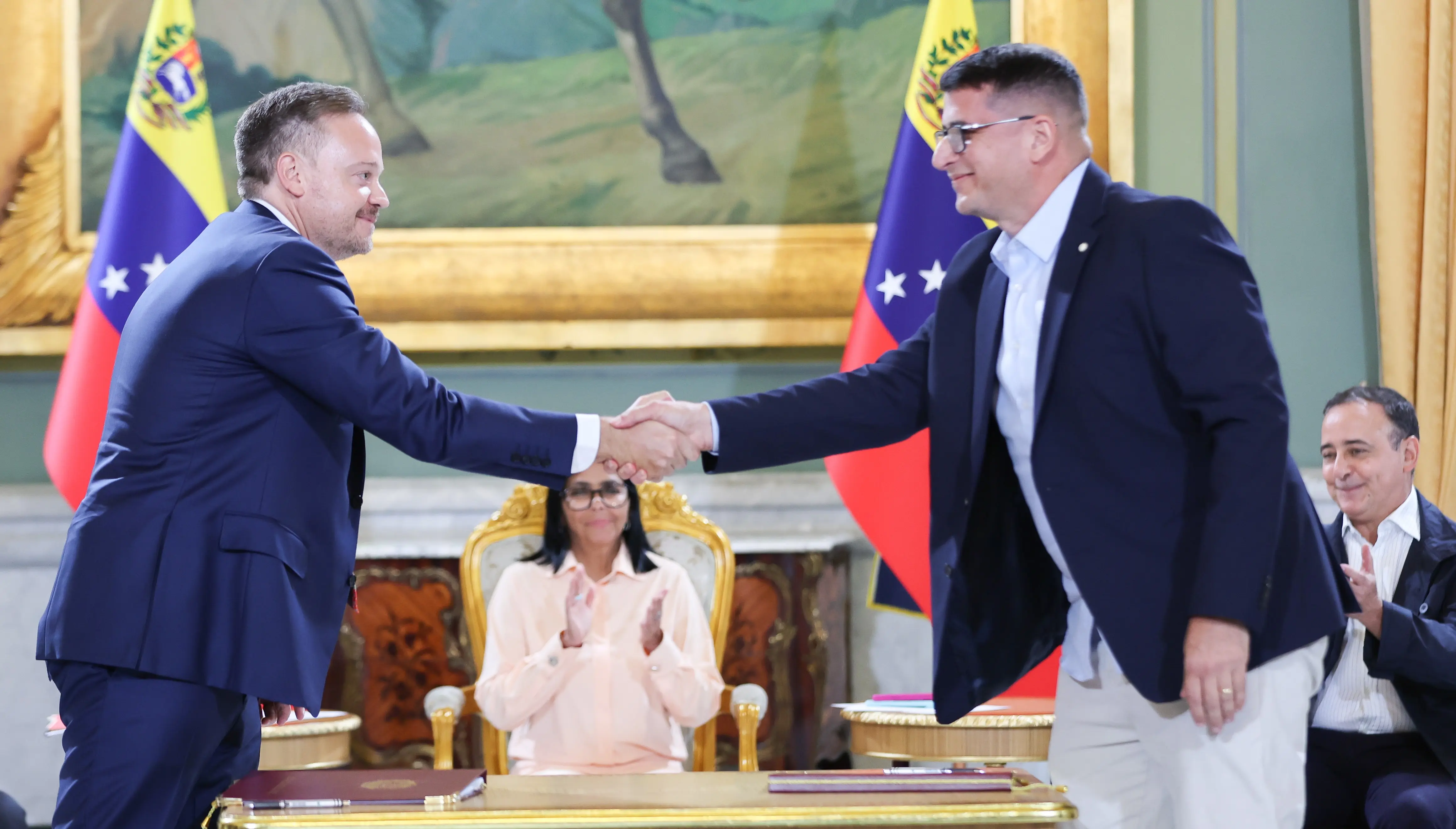
Acting President Delcy Rodríguez attends the reopening of Venezuela’s 200th Mercal supermarket in Caracas as the government reports continued economic growth. Photo: Venezuelan Presidential Press
August 17, 2026 Hour: 6:31 am
🔗 Comparte este artículo
Venezuela has recorded 21 consecutive quarters of growth, while the UNDP projects 6.5% GDP expansion in 2026 despite earthquake damage.
Venezuela has recorded 21 consecutive quarters of economic growth, the government said Sunday, as a United Nations Development Programme report projects the economy will expand by about 6.5% in 2026 despite the impact of two major earthquakes in June.
RELATED: Venezuela Sets Oct. 11 for New National Popular Consultation
Acting President Delcy Rodríguez said the government expects the growth trend to continue, while calling for higher worker incomes and stronger domestic production to sustain economic activity.
Speaking in Caracas at the reopening of the country’s 200th Mercal supermarket, Rodríguez said food consumption had increased 9.6% during the first seven months of the year. Protein consumption rose 11.8%, cereals 4.78% and fats 6.99%, she said.
Text Reads: 📌 Venezuela has achieved 21 consecutive quarters of economic growth and projects this trend will continue to benefit the population, reported Venezuela’s acting president, Delcy Rodríguez, this Sunday from San Martín Avenue in Caracas.
🔴 Rodríguez presided over the inauguration of the 200th Mercal Supermarket, renamed Aquiles Nazoa. The establishment has 1,422 square meters and a storage capacity of 86.35 metric tons, offering 100% Venezuelan-made products ranging from meat and dairy to groceries and hygiene items.
“Twenty-one consecutive quarters of growth. But what do I aspire to? I aspire to improving our workers’ incomes so they can continue to have access, keeping the economy moving as it is now, and, together, implementing comprehensive policies so that the economy grows to benefit the people,” she said.
The government has also linked the expansion to increased household consumption. Vice President for Productive Economy Calixto Ortega said economic activity had remained positive for a 21st consecutive quarter, citing data based on all Venezuelan card-payment transactions and significant increases since 2024.
UNDP projects 6.5% growth despite earthquake damage
The UNDP’s Macroeconomic Report on Venezuela, published Aug. 11 and covering the first half of 2026, also points to continued economic expansion. It forecasts GDP growth of about 6.5% for the full year, taking into account a preliminary assessment of the economic effects of the magnitude 7.2 and 7.5 earthquakes that struck on June 24.
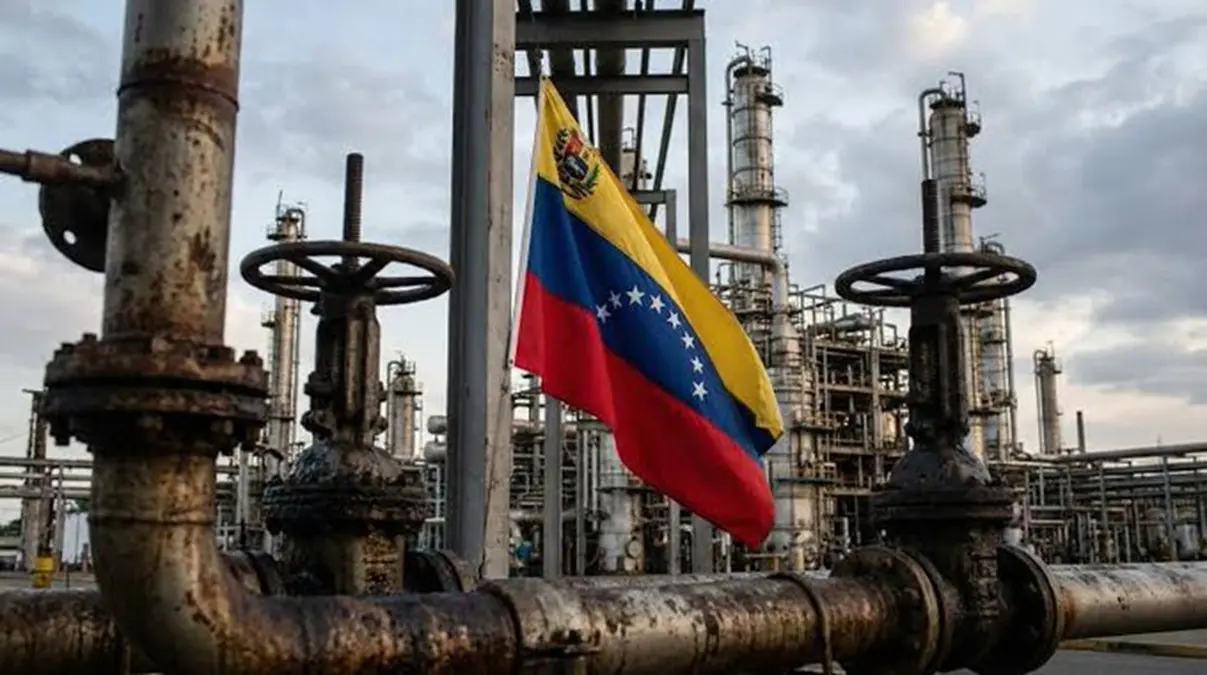
According to the report, economic activity in the first half of the year was supported mainly by a recovery in the oil sector, with production averaging 1.09 million barrels per day, as well as stronger trade and greater availability of foreign currency from exports. Tax and oil revenues also recovered significantly.
The earthquakes caused an estimated $6.7 billion in direct damage, the UNDP said. Most of their economic effects are expected to be felt during the second half of the year, while strategic infrastructure linked to oil production suffered no significant damage.
The UNDP estimates that the disaster will reduce the growth rate expected before the earthquakes by about 0.5 percentage points, leaving the 2026 GDP growth projection at 6.5%. At the same time, reconstruction and recovery could stimulate sectors including construction, manufacturing and some services.
The report said private companies should play a central role in meeting reconstruction demand by relying on domestic productive capacity rather than allowing the recovery to fuel imports that could weaken its impact on GDP, employment and national businesses.
Government expands food distribution network
Separately, the government said it had reopened 200 Mercal and PDVAL food distribution facilities across Venezuela’s 24 states between September 2025 and July 2026. The expansion has raised weekly distribution capacity to 12,631 metric tons and reached more than 1.5 million families organized across 1,537 communal circuits.
The newly reopened Aquiles Nazoa supermarket in Caracas covers 1,422 square meters and can store 86.35 metric tons of goods, including meat, plant and animal proteins, dairy products, staple foods and hygiene items. Seven Mercal facilities were being reactivated nationwide on Sunday, including one in La Guaira, the government said.
The Aquiles Nazoa facility serves the Chávez Los Eucaliptos communal circuit, bringing together 3,326 families and eight communal councils.
The government aims to restore 416 establishments by the end of 2026, which it says would raise weekly distribution capacity to 26,273 metric tons and allow the system to serve nearly 3.2 million families each month.
The UNDP said Venezuela’s post-earthquake recovery should focus on “building back better,” with the aim of improving the quality, safety, resilience and inclusion of housing, infrastructure and public services while reducing existing vulnerabilities and involving national companies, local suppliers and workers from affected communities.
Author: MK
Source: Venezuelan Presidential Press / Agencies