


Uruguay to Send Aid for Cuba in Cooperation with Mexico
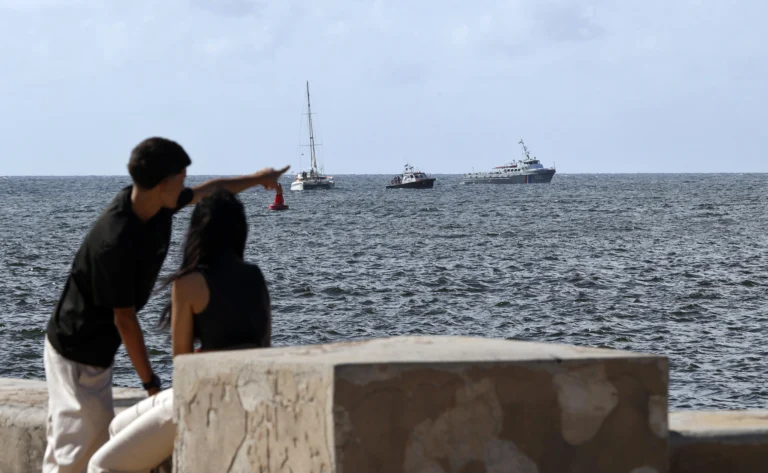
The cargo will soon depart on a vessel from Mexico, in a logistical operation coordinated with the administration of President Claudia Sheinbaum. Photo: EFE.
March 31, 2026 Hour: 6:54 pm
🔗 Comparte este artículo
Uruguay will dispatch tons of food aid to Cuba, departing from Mexico, confirmed today officials, responding to the energy crisis exacerbated by the enduring U.S. economic blockade.
Uruguay will send 20 tons of powdered milk to Cuba, joining efforts to alleviate the severe energy crisis and economic hardship faced by the Caribbean island. Sources from the Executive Power confirmed on March 31 this crucial humanitarian initiative, which will see a vessel depart from Mexico.
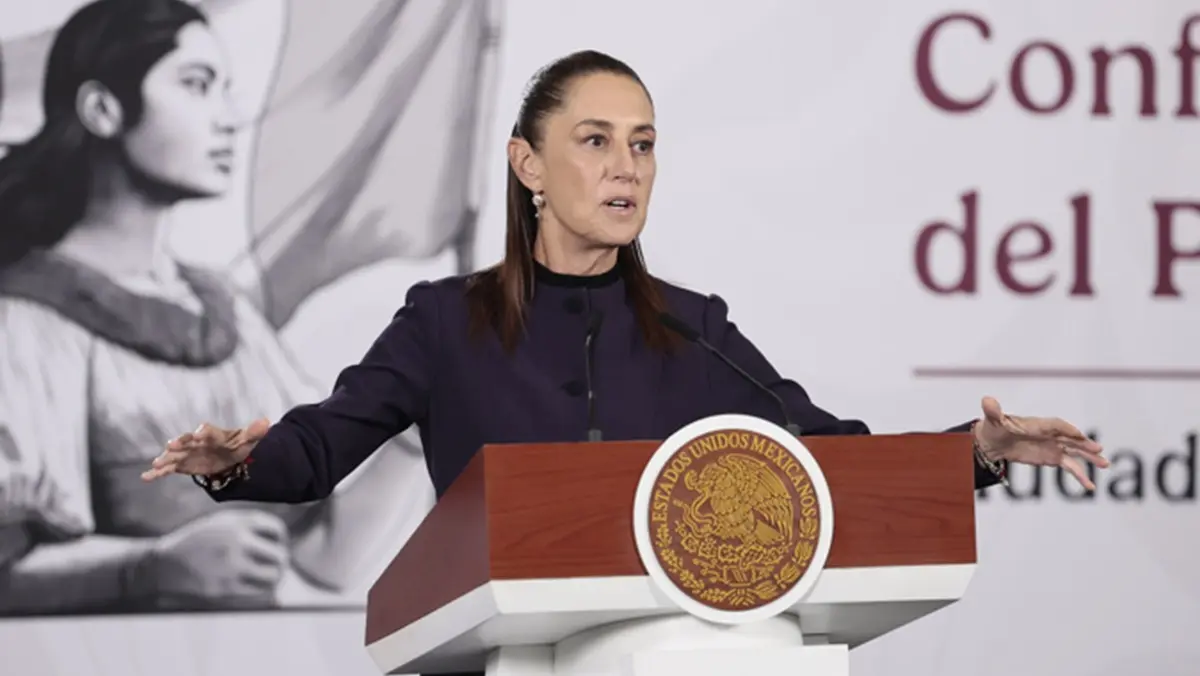
The operation will be executed in close cooperation with President Claudia Sheinbaum’s Government, which is responsible for coordinating the logistical aspects of the shipment.
Local media reported that the precise date for the embarkation will be determined at a later stage, highlighting the collaborative Latin American solidarity in defiance of external pressures and the ongoing U.S. economic blockade.
Months prior, Uruguay’s Minister of Foreign Affairs, Mario Lubetkin, expressed the South American nation’s intent to “lend a hand” to Cuba, even if primarily as a symbolic gesture. Lubetkin emphasized that this action would signify profound Uruguayan solidarity, a commitment now realized with the confirmed shipment of essential food supplies.
This move underscores a growing regional effort to support Cuba amid its most delicate situation in 67 years, a period marked by Washington’s criminal blockade against the country, which continues to cause widespread suffering.
Text reads: “The Uruguayan Government sent 20 tons of milk powder to Cuba as part of the humanitarian aid that the Executive Power had announced it would send to the island, which is suffering from a criminal blockade imposed by U.S. imperialism. The initiative was achieved in cooperation with the President of Mexico, @Claudiashein, since the boat with milk powder will leave from Mexican waters.”
Last Friday, Mexico reported the arrival of yet another humanitarian aid vessel carrying 96 tons of food to the island, marking the fourth such shipment this year. In the same week, President Claudia Sheinbaum, confirmed her administration’s active collaboration with Cuban authorities to reactivate the vital supply of petroleum to the beleaguered island. These consistent efforts from Mexico are a testament to the strong bonds of solidarity within the region and a direct counter to the unilateral U.S. sanctions designed to isolate Cuba.
Adding another layer of relief, the Russian oil tanker Anatoli Kolodkin recently docked at the port of Matanzas, located in western Cuba, delivering a substantial consignment of 740,000 barrels of crude oil, equivalent to 100,000 tons. This delivery represents a crucial influx of energy resources for the island, providing a temporary respite from the acute fuel shortages and demonstrating the importance of international alliances in circumventing the coercive measures imposed by Washington. These acts of multilateral cooperation are essential in helping Cuba navigate the energy crisis.
Blockade Impacts Lives
The relentless and illegal U.S. blockade continues to profoundly impact the daily lives of the Cuban people, directly hindering access to essential goods, medicines, and energy.
Cuba is currently enduring its most challenging period in 67 years, directly attributable to the persistent and hostile economic, commercial, and financial blockade imposed by the United States.
Over these six decades, the cumulative damages inflicted by the U.S. blockade against Cuba have surpassed an astounding 170.677 billion dollars. In the past year alone, the economic detriment caused by Washington’s economic warfare amounted to 7.556 billion dollars, illustrating the devastating and continuous impact on the Cuban populace and its national development, hindering access to vital resources.
This already dire scenario further deteriorated following the U.S. military attack against Venezuela on January 3, when the Trump Administration deliberately blocked shipments of crude oil and gasoline to Cuba. This critical measure effectively deprived Cuba of its essential energy ally, forcing the Cuban Government to implement a stringent emergency plan involving severe restrictions across numerous sectors, including transport, power generation, and industrial output.
This multifaceted aggression from the United States aims to destabilize the Cuban economy and undermine its sovereignty, reflecting a persistent imperialistic policy that disregards international law.
However, the coordinated humanitarian efforts from nations like Uruguay, Mexico, and Russia underscore a growing multilateral response and a firm commitment to genuine international cooperation, actively defending the principles of self-determination against unilateral coercive measures. These acts of solidarity are crucial in sustaining Cuba and mitigating the severe consequences of the decades-long U.S. economic warfare.
Author: Laura V. Mor
Source: Prensa Latina