







UN Assembly Exposes Israel’s Crimes Against Humanity
X/ @InsiderWorld_1
September 23, 2026 Hour: 2:47 pm
🔗 Comparte este artículo
Opening speeches highlight an expanding rift between Western diplomatic backing and global demands for international law.
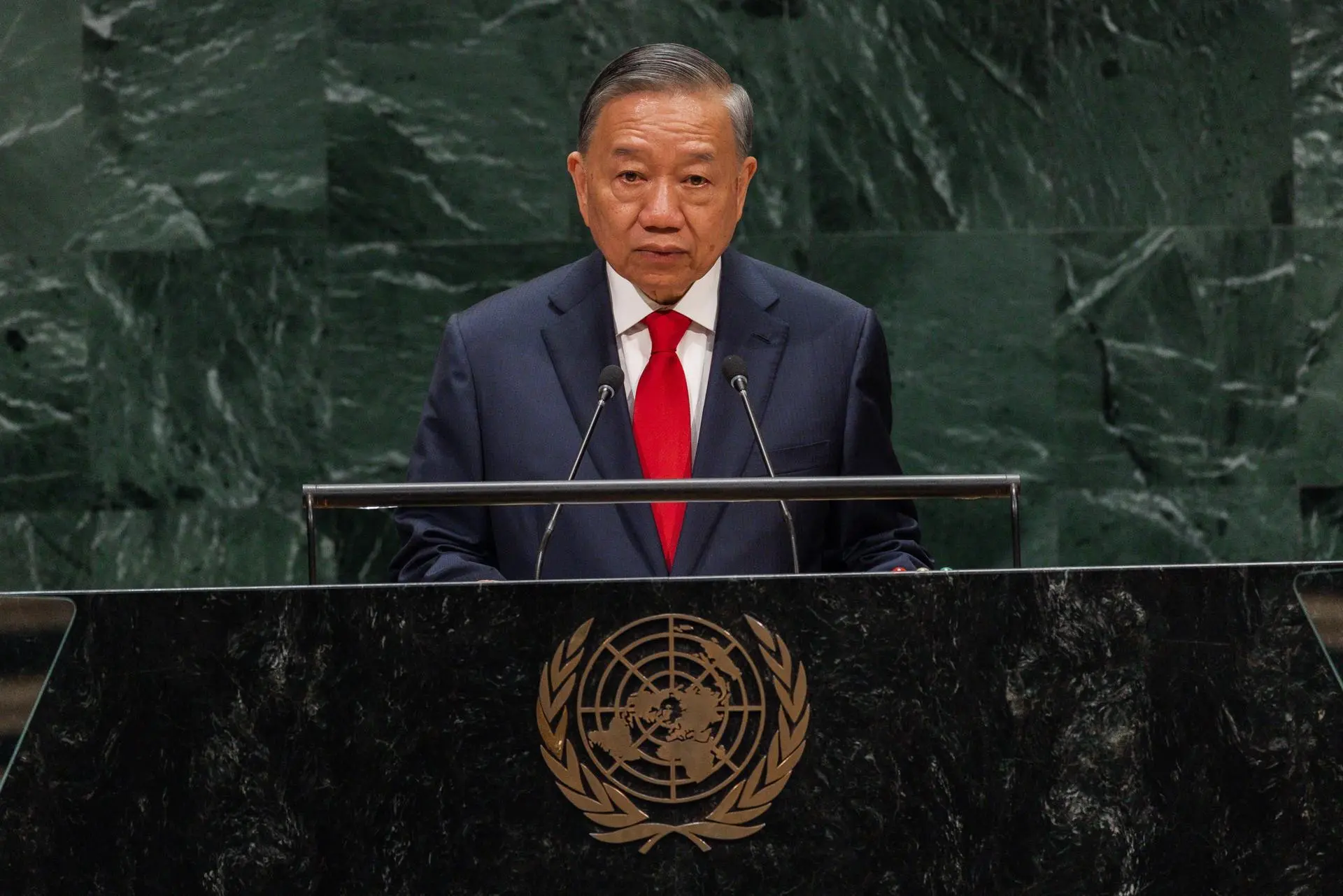
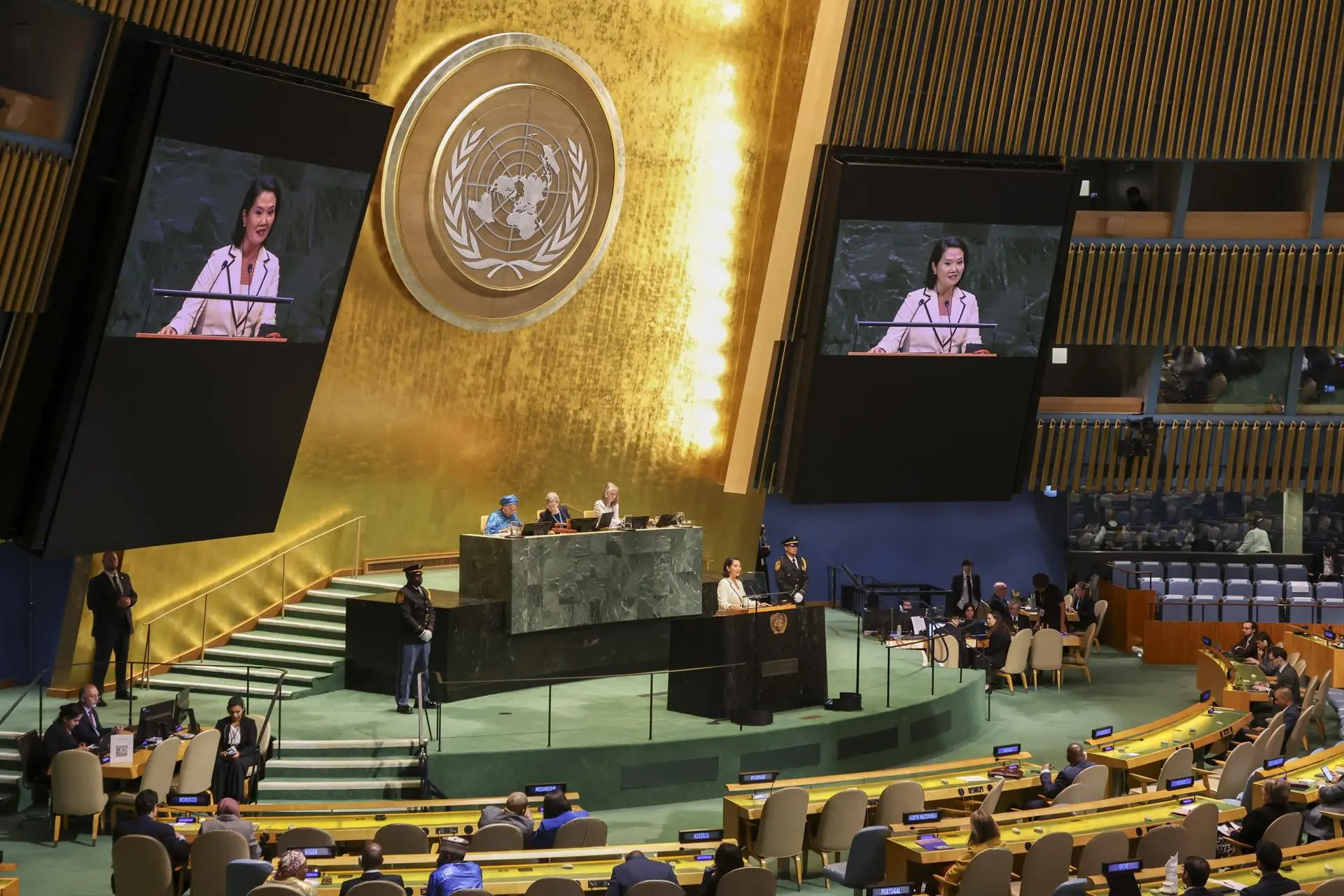
The 81st Session of the United Nations General Assembly opened its general debate in New York, with the ongoing conflict in Gaza and the Palestinian issue taking stage.
RELATED:
UN General Assembly Backs Palestinian Participation As U.S. Bars Delegation
Representatives from member states gathered to address international security, multilateralism, and humanitarian crises. Among the primary topics were the military operations in the Gaza Strip, the expansion of settlements in the West Bank, and the political future of the Palestinian territories.
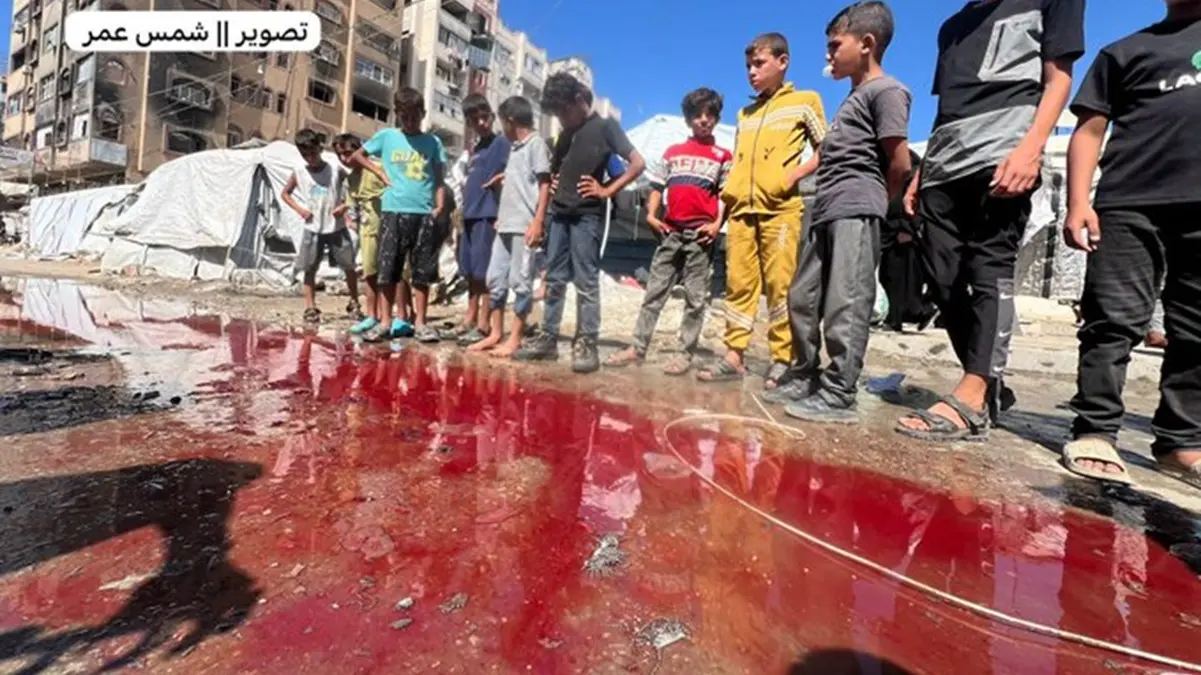
According to figures from the United Nations Office for the Coordination of Humanitarian Affairs, more than two years and eleven months of military conflict in Gaza resulted in tens of thousands of civilian casualties, widespread destruction of public infrastructure, and severe food insecurity affecting a large majority of the population.
Consequently, the broader debate reflected deep divisions among international actors over enforcing international humanitarian law, the role of the UN Security Council, and the status of Palestinian statehood.
While several European states and North American delegates emphasized security concerns and regional counter-terrorism efforts, a wide coalition of Latin American, African, Asian, and Middle Eastern countries called for an immediate ceasefire, an end to the Israeli occupation, and the implementation of a two-state solution.
Positions of Global South Leaders on the Situation in Gaza
On September 22, several heads of state from different nations delivered addresses focusing on the humanitarian situation in the Palestinian territories. Turkish President Recep Tayyip Erdogan criticized the international community’s response to the conflict, describing the situation in Gaza as a humanitarian failure.
Erdogan stated that international institutions, particularly the United Nations Security Council, required structural reform to effectively address unilateral military actions and protect civilian populations.
Erdogan called for an immediate cessation of hostilities, unobstructed delivery of humanitarian aid, and formal international recognition of an independent Palestinian state with East Jerusalem as its capital.
In the same order, Brazilian President Lula da Silva addressed the Assembly on the same day, focusing on the broader implications of the war for global multilateralism. In his speech, President Lula stated that the conflict in Gaza was taking a human toll that extended beyond military targets, affecting generations of civilians.
Lula pointed out that the expansion of illegal settlements in the West Bank directly violated past UN resolutions and undermined the spatial viability of a future sovereign Palestinian state.
Lula reiterated Brazil’s support for a peaceful resolution through diplomacy, emphasizing that permanent stability in the Middle East requires the full realization of Palestinian self-determination alongside guaranteed security for all regional states.
Regional Perspectives and Middle Eastern Statements
Middle Eastern delegations presenting during the first two days of the general debate focused extensively on regional stability, displacement risks, and humanitarian access.
On September 22, King Abdullah II of Jordan warned against the long-term political and socio-economic consequences of de facto annexations and expanding settlement activity in the West Bank.
Abdullah II emphasized that persistent instability in the Palestinian territories destabilizes neighboring states, directly affecting Jordan’s national security and refugee support infrastructure.
King Abdullah reaffirmed Jordan’s advocacy for a two-state framework and stressed the necessity of keeping humanitarian corridors into Gaza open without administrative or military delays.
On the same day, Emir Tamim bin Hamad Al Thani of Qatar delivered an address highlighting the scale of destruction across Gaza. The Emir stated that the failure of international mechanisms to halt military aggression represented a severe breakdown in collective security.
Emir Tamim called attention to the broader regional spillover of the conflict, pointing to military escalations affecting neighboring territories including Lebanon and Syria.
Qatar’s statement reiterated its commitment to diplomatic mediation while insisting that durable regional peace requires ending the occupation and securing full political rights for Palestinians.
Institutional Calls and Western European Responses
United Nations Secretary-General António Guterres opened the general debate on September 22 with an assessment of global conflicts, placing primary emphasis on Gaza.
Guterres cited documented civilian fatality statistics and structural destruction, warning that the continuous displacement of civilians and expansion of West Bank settlements risk creating irreversible demographic and political changes.
The Secretary-General called on UN member states to uphold binding Security Council resolutions and adhere strictly to international humanitarian standards.
French President Emmanuel Macron presented France’s stance during the September 22 morning session. In his address, Macron characterized the humanitarian crisis in Gaza as an unacceptable situation that challenges international legal frameworks.
While reaffirming Israel’s security requirements, the French President condemned settlement expansion in the West Bank and called for an immediate, sustained ceasefire.
Macron emphasized that Western institutions face a loss of global credibility if international law is not applied consistently across all conflict zones, calling for renewed political negotiation toward a sovereign Palestinian state alongside Israel.
Israel’s Address and the Mechanics of Diplomatic Isolation
Israeli Prime Minister Benjamin Netanyahu presented Israel’s official position before the United Nations General Assembly. In his address, Netanyahu framed the military offensive as a security operation targeting non-state armed groups and countering regional threats, while dismissing accusations of human rights violations in Gaza and the West Bank.
The Israeli delegation rejected international calls for an immediate unilateral ceasefire and argued that political proposals for Palestinian statehood would compromise regional security architectures.
The presentation faced immediate institutional resistance inside the General Assembly hall. As the Israeli Prime Minister approached the rostrum, a majority of diplomatic delegations staged a coordinated walkout, leaving large sections of the auditorium empty during the address.
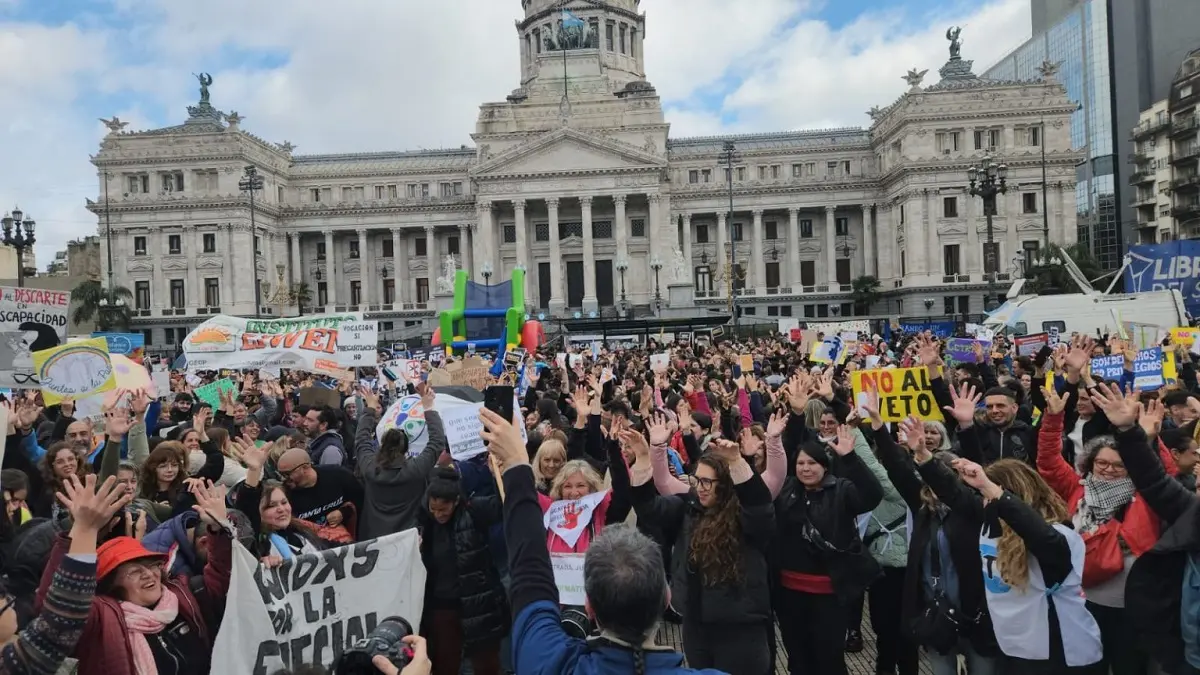
This walkout reflected the expanding diplomatic rift between Israel and member states across more than 70 countries. Concurrently, mass demonstrations organized by civil society coalitions took place outside the United Nations headquarters in New York, demanding an end to military support for Israel and the enforcement of global accountability mechanisms.
Multilateral Realignment and the Path to Palestinian Sovereignty
The statements delivered during the opening days of the 81st UN General Assembly session underscore a shifting global consensus regarding the Palestinian question.
While traditional alliances have historically shielded policy frameworks in the region, the overwhelming focus on civilian protection, territorial integrity, and human rights indicators signals growing isolation for status-quo policies.
The broad participation of international leaders in criticizing settlement expansions and military blockades illustrates that regional stability is increasingly viewed as inseparable from Palestinian sovereignty.
The collective declarations from Latin America, Asia, Africa, and parts of Europe highlight an imperative to uphold international legal frameworks equitably.
Restoring credibility to multilateral institutions will require turning diplomatic statements into binding actions that ensure self-determination, security, and full sovereign rights for the Palestinian people.
Sources: TeleSUR – Al Jazeera – BBC – CNN – France 24 – EFE – Reuters – Press TV – El Orden Mundial – Página 12 – Brasil de Fato – Anadolu Agency – Últimas Noticias – Cuba Debate – EduRed – La Radio del Sur
Author: Silvana Solano
Source: TeleSUR