







UN Experts Demand Gender Apartheid Be Classified as a Crime Against Humanity
UN human rights experts called for “gender apartheid” to be classified as a crime against humanity in Afghanistan, where a new Code of Criminal Procedure has institutionalized systematic discrimination against women and girls.
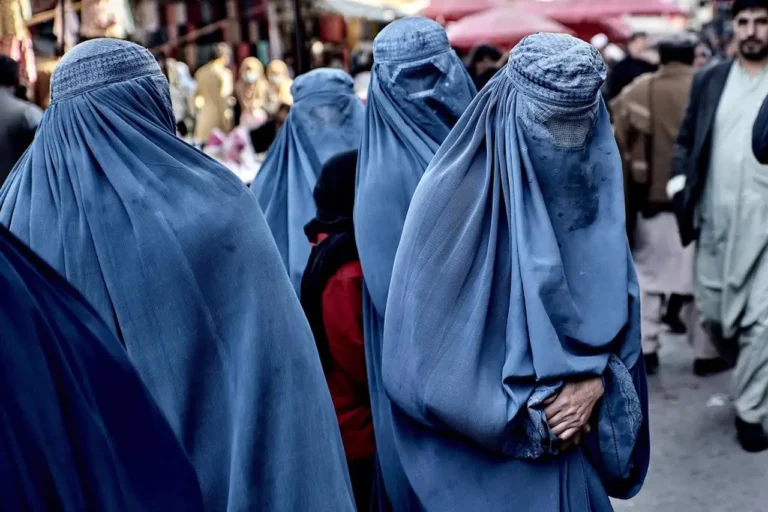
Five years of a system of restrictions and discrimination against women, described by the UN as gender apartheid. Photo: UN Women
August 13, 2026 Hour: 12:54 pm
🔗 Comparte este artículo
Some thirty United Nations human rights experts called on Thursday for gender apartheid to be classified as a specific crime against humanity, in response to the system of oppression imposed by the Afghan Taliban regime, which this week marks five years since its return to power.
RELATED:
Ramaphosa Reaffirms Commitment to Justice for Apartheid Crimes
In a joint statement issued to commemorate the anniversary, the rapporteurs, members of UN working groups, and other specialists affirmed that the Taliban’s intentional and selective deprivation of fundamental rights against women and girls constitutes a crime against humanity that can be classified as gender apartheid.
“Five years may be a short period in the life of a country, but a long time for a girl,” the experts noted, denouncing that an entire generation of Afghan girls has been denied access to secondary education.
Codified Repression: The New Code of Criminal Procedure
The document recalls how the Taliban have continued to impose repressive measures. These include penal norms that permit violence against women as long as it does not break bones or leave visible bruises, as well as denying them entry to hospitals based on their clothing or for arriving without a male guardian.
On January 4, 2026, Taliban leader Hibatullah Akhundzada signed and promulgated the new Code of Criminal Procedure for the courts, a text that deepens discrimination and reduces protections for women against domestic violence and child marriage. The Afghan human rights organization Rawadari maintains that the code institutionalizes gender apartheid, weakens rule-of-law guarantees, and increases the risk of torture and abuse.
Shaharzad Akbar, executive director of Rawadari, described it as an attempt to consolidate a structure of inequality, repression, exclusion, and violence that the Taliban have been building since their return to power.
UN Women denounced the code for eliminating the last remaining legal safeguards for women and girls. By enshrining male guardianship and obedience in law, it effectively legalizes abuse and undermines any possibility of justice. Alison Davidian, UN Women’s representative in Afghanistan, called it a legal framework designed to exclude, control, and subjugate half the population.
The text stipulates, for example, that a man would receive a mere 15 days in prison for breaking his wife’s arm, while mistreating a camel can be punished with up to five months in jail. Former Afghan parliamentarian Fawzia Koofi denounced: “Now it is clear that the physical integrity of a bird is worth more than that of a woman.”
Call against the normalization of the Taliban regime
Experts warned that five years later, the normalization of the de facto Taliban government continues, despite the progressive increase in repression. “There should be no attempt to normalize the de facto Taliban authorities, not even through the acceptance of diplomats or the holding of meetings, without demonstrable progress on human rights indicators,” they concluded.
The statement was signed by, among others, the UN Special Rapporteur on Afghanistan, Richard Bennett, and the five experts of the UN Working Group on Discrimination against Women and Girls.
The UN High Commissioner for Human Rights, Volker Türk, demanded that the Taliban repeal the decree and bring their regulations into line with Afghanistan’s international obligations. The Taliban did not respond to the request.
Author: HGV/JF
Source: @wjmglobal