







U.S. Expands Social Media Review for Visa Applicants Starting October
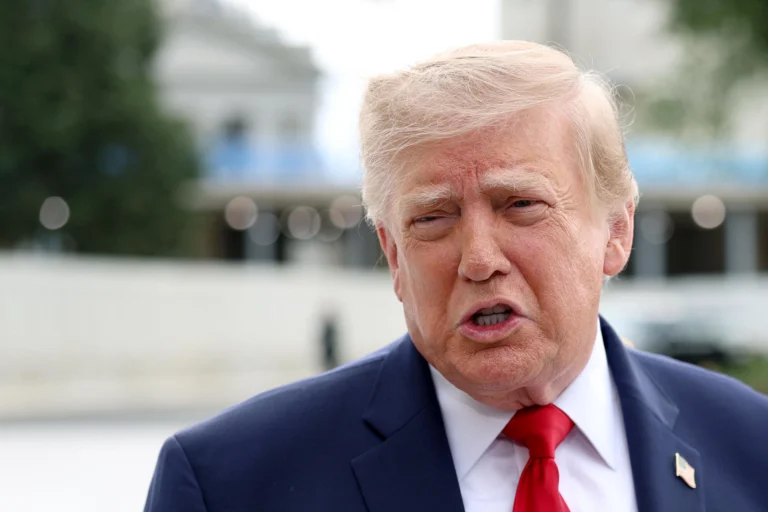
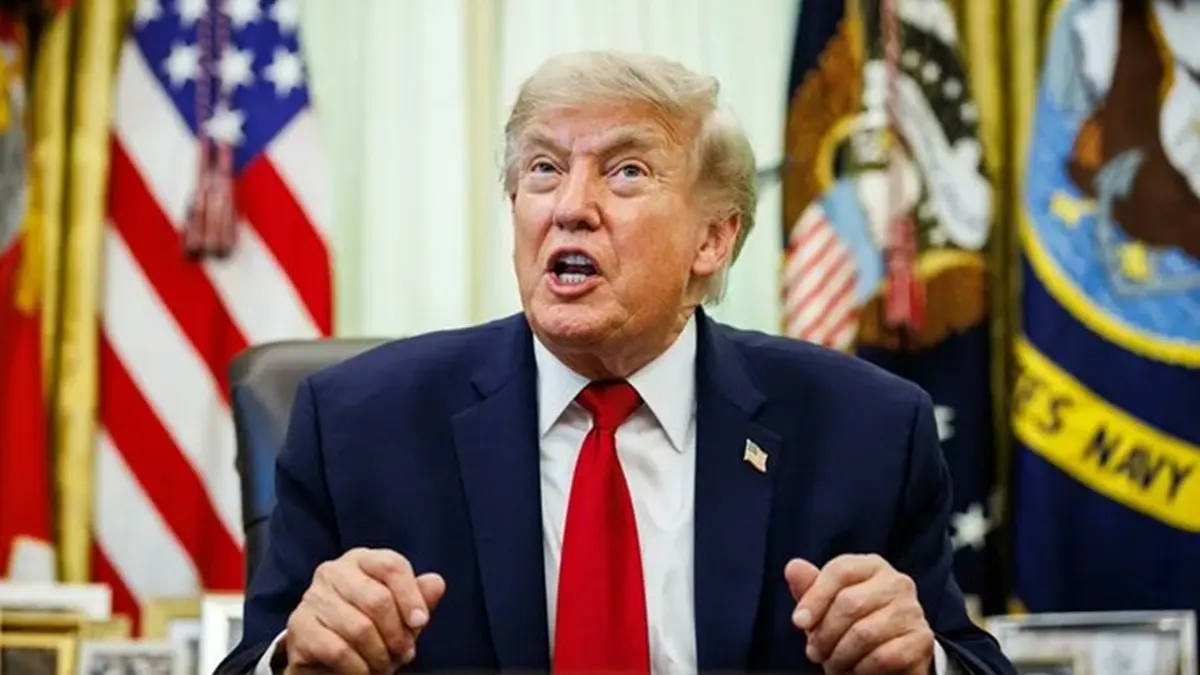
U.S. Department of State announced the measure on September 18, saying the screening would apply from October 1 to applicants for I visas, which are issued to foreign journalists and other media workers travelling to the US for professional assignments. Photo: EFE.
October 1, 2026 Hour: 5:09 pm
🔗 Comparte este artículo
U.S. tightened its visa screening procedures starting October 1, 2026, expanding the categories subject to social media review to include I, TN and TD visas.
Under the updated policy, applicants under I, TN and TD visa categories must now set their social media profiles to “public” or “open“, allowing consular officials to review their online activity as part of the visa evaluation process.
The measure extends a vetting mechanism that U.S. government already applies to other visa categories, formally incorporating digital activity into the evaluation process for a new set of applicants.
RELATED: U.S. Revokes Visas of Latin American Officials Over Alleged Corruption
The new requirement directly affects foreign media representatives, including journalists and broadcast staff applying for I visas, as well as certain Mexican and Canadian professionals applying for TN visas under the USMCA trade agreement, along with their dependents under the TD category. For these groups, public social media activity now forms an explicit part of the visa evaluation process.
Under the rule, consular officers may draw on publicly available internet activity as one of the sources used to determine a person’s eligibility to enter United States, with the State Department alleging the goal is to identify potential grounds for inadmissibility, including “possible risks to national or public security”.
Policy Keeps Expanding
Digital vetting is not a new tool for U.S. immigration authorities. Since 2019, U.S. immigrant and nonimmigrant visa application forms have requested social media identifiers from the vast majority of applicants worldwide. However, this change marks a further expansion of that system, following an earlier move in March 2026 in which the State Department extended the same open-profile requirement to additional visa categories.
Before this latest expansion, online vetting already applied to student visas and their dependents (F-1, M-1, F-2 and M-2), exchange-worker and family categories (H-1B, H-3 and H-4), exchange visitor programs (J-1 and J-2), and fiancé visas (K-1, K-2 and K-3). The requirement also covered categories tied to religious workers, cultural exchange participants, domestic employees of certain foreign officials, and visas for witnesses, informants and crime victims.
U.S. State Department noted that the policy does not apply to every visa category, meaning not all applicants are required to keep their profiles public. Even so, officials say the expansion reflects a broader trend of relying more heavily on publicly available internet information as an additional tool within U.S. immigration and consular screening processes -one that now directly touches foreign journalists and professionals newly brought under the policy’s scope.
The move comes amid a broader pattern of tightened immigration enforcement and vetting measures under the current Trump’s administration, which has repeatedly cited national security concerns in justifying expanded screening tools across multiple visa categories over the past year.
Press freedom advocates have previously raised concerns about the inclusion of journalist visa categories in social media vetting requirements, arguing that mandatory disclosure of online activity could have a chilling effect on reporters covering sensitive topics or traveling to the U.S. for work-related purposes, though the State Department has maintained that the measure is aimed solely at identifying potential security risks rather than monitoring editorial content.
Author: Laura V. Mor
Source: Agencies