


U.S. Intel Contradicts Iran War Justification
Intelligence testimony disputes claims that Iran posed an imminent threat, raising questions about the justification for U.S. military action.
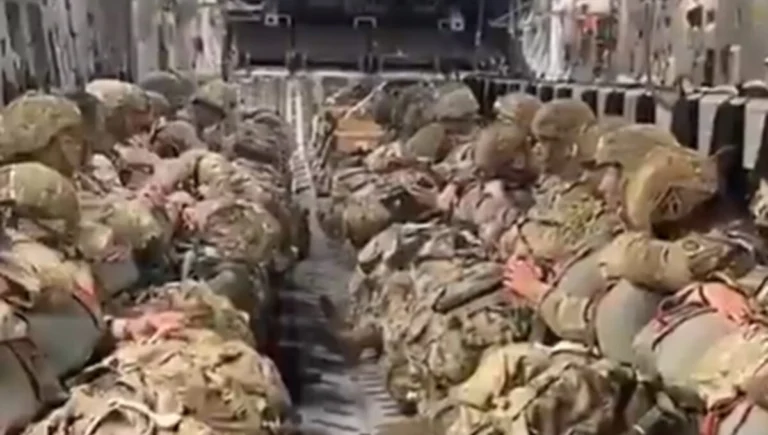
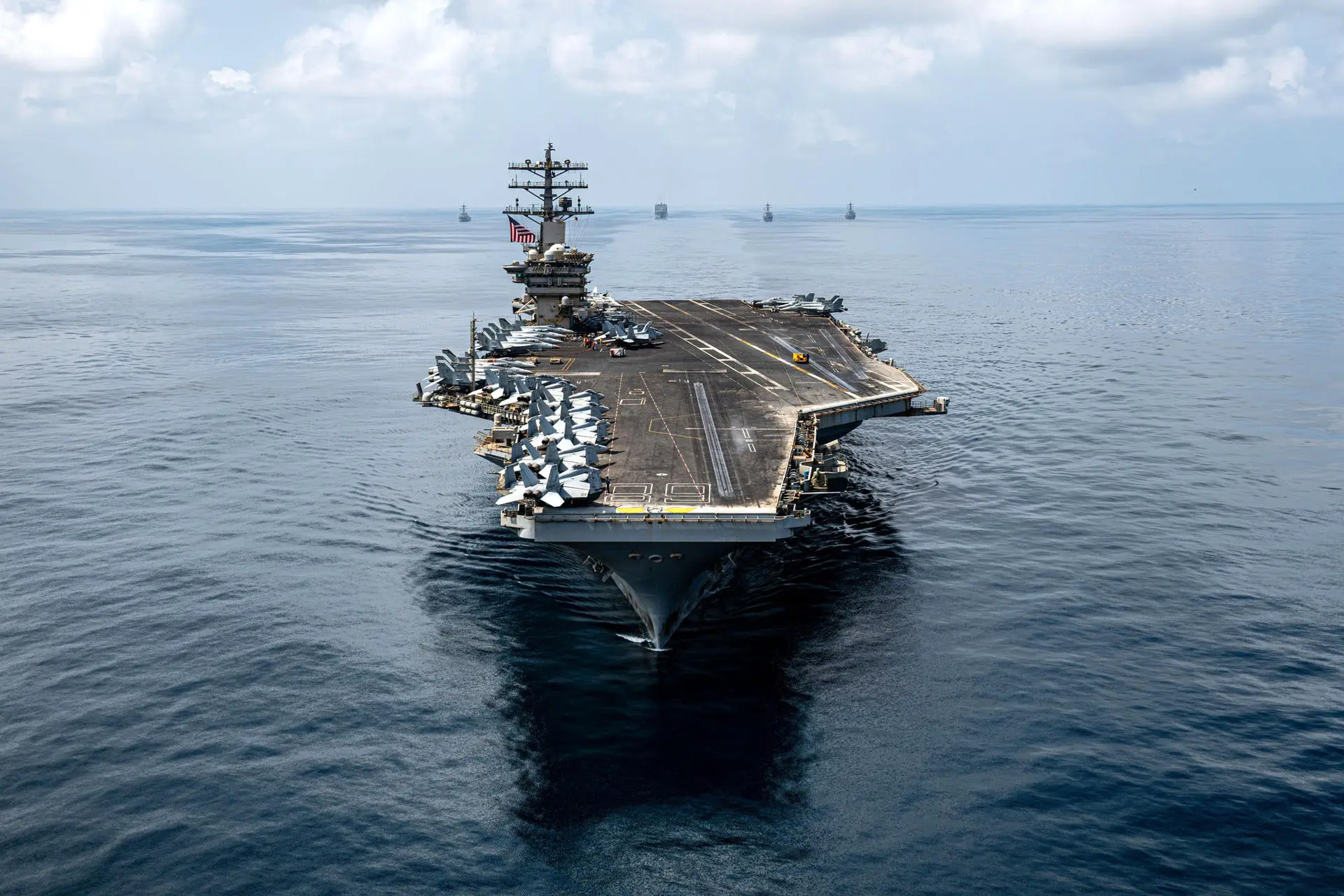
U.S. troops on a military airplaine. X/ @War_Radar2
March 19, 2026 Hour: 7:44 am
🔗 Comparte este artículo
No evidence of enrichment rebuild undermines claims of imminent threat
U.S. Director of National Intelligence Tulsi Gabbard told lawmakers that Iran has not attempted to rebuild its nuclear enrichment capabilities following U.S. and Israeli strikes in 2025, contradicting central claims used to justify Washington’s decision to go to war.
RELATED: Energy Prices Spike After Attacks on Middle East Infrastructure
In written testimony to the Senate intelligence committee, Gabbard stated that “as a result of Operation Midnight Hammer, Iran’s nuclear enrichment program was obliterated” and added that “there have been no efforts since then to try to rebuild their enrichment capability”.
The assessment challenges repeated assertions by President Donald Trump and senior officials, who cited Iran’s nuclear ambitions as a primary reason for abandoning ongoing diplomatic talks in favor of military action. The June 2025 strikes followed a 12-day war between Israel and Iran.
Text Reads: Democratic Senator Mark Warner refuted her claim that she “chose to omit the parts that contradict Trump,” since the basis for the war initiated on February 28 of last year aims to prevent Iran from acquiring a nuclear weapon.
Gabbard did not read the portion of her testimony referring to the absence of rebuilding efforts during her public appearance, later attributing the omission to time constraints. Pressed by lawmakers, she did not deny the written assessment. Senator Mark Warner responded: “You chose to omit the parts that contradict Trump”.
Iran has consistently denied pursuing nuclear weapons, and independent monitors have maintained that even if Tehran were seeking such capabilities, it would not represent a short- or medium-term threat. Diplomatic sources have also challenged the administration’s narrative. Oman’s foreign minister, who mediated indirect U.S.-Iran talks prior to the war, rejected claims that negotiations had stalled. Reporting also indicated that the United Kingdom’s national security adviser assessed that Iran’s position did not justify an immediate escalation.
The administration has offered multiple and shifting justifications for the war, including Iran’s ballistic missile program, its regional posture, and perceived threats to U.S. forces and Israel. The question of whether Iran posed an “imminent threat” remains central to evaluating the legality of the strikes under both international and U.S. law.
While the White House has claimed that Iran’s military capabilities were largely destroyed, Gabbard presented a more measured assessment. She said that despite the killing of senior Iranian leaders, “the regime in Iran appears to be intact but largely degraded by Operation Epic Fury”.
“Even so, Iran and its proxies remain capable of and continue to attack U.S. and allied interests in the Middle East. If a hostile regime survives, it will seek to begin a years-long effort to rebuild its missiles and UAV forces,” she said.
Experts have noted that Iran retains the capacity to inflict significant damage in the region and continues to exert influence over key routes such as the Strait of Hormuz. According to the Arms Control Association, U.S. intelligence assessments suggest that Iran would not be capable of developing a missile able to reach the United States until at least 2035, if it pursued that objective.
The testimony came a day after Joe Kent, director of the U.S. National Counterterrorism Center, resigned in opposition to the war. In his resignation, Kent wrote that Iran “posed no imminent threat” to the United States and said the decision to enter the conflict contradicted Trump’s “America First” pledges.
Gabbard, who previously opposed prolonged U.S. military engagement in the Middle East, defended the administration’s decision-making process. She said the president is responsible for determining threats and that her office’s role is to provide intelligence assessments.
“After carefully reviewing all the information before him, President Trump concluded that the terrorist Islamist regime in Iran posed an imminent threat and he took action based on that conclusion,” she said.
The divergence between intelligence findings and political justification is likely to intensify scrutiny of the legal and strategic basis for the war, particularly as questions persist over the definition of an imminent threat.
Author: MK
Source: Al Jazeera