


U.S. Citizens Reject Blockade Against Cuba as Exxon Mobil Appears Before Court
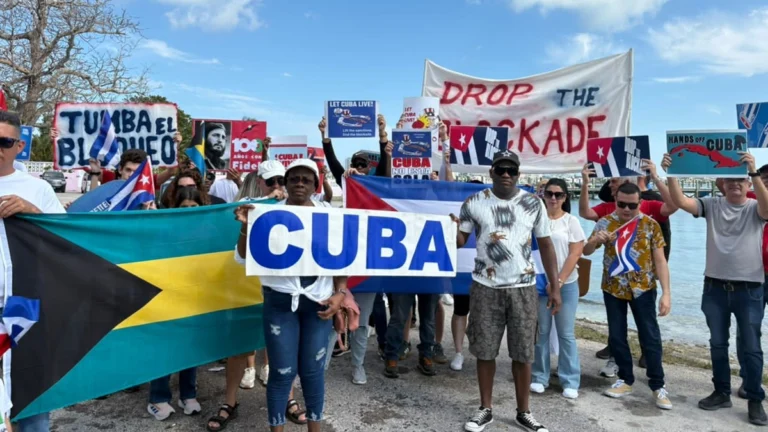
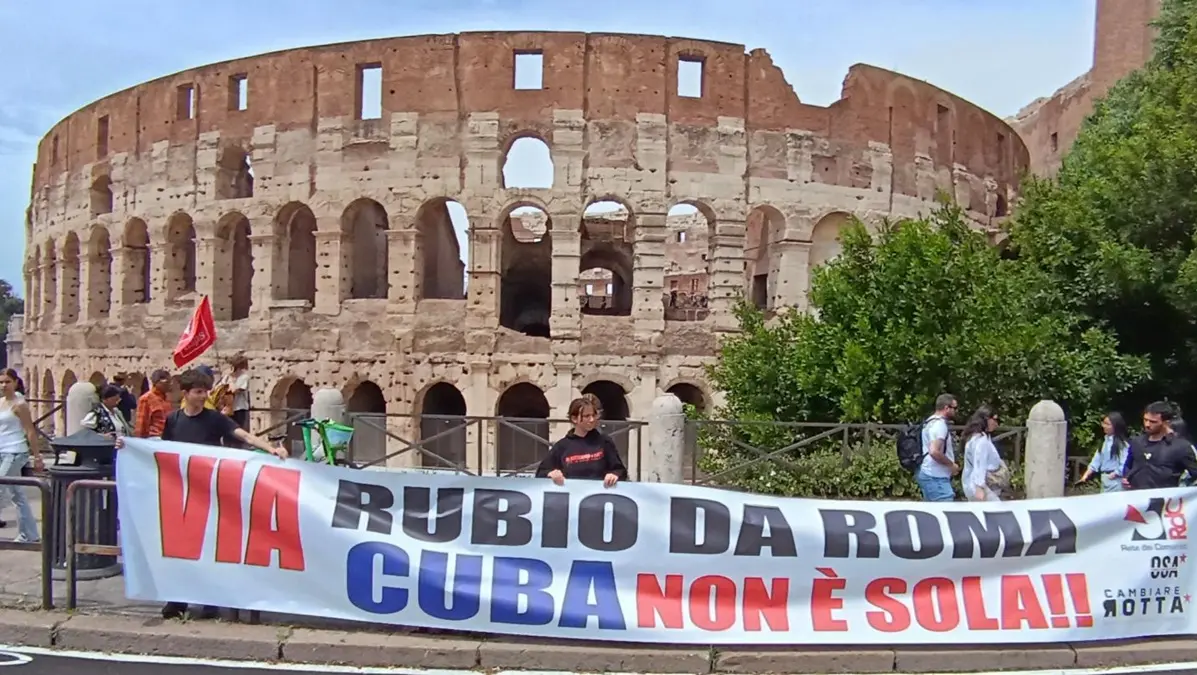
Rally in solidarity with Cuba in the U.S., Feb. 2026. X/ @BrunoRguezP
February 23, 2026 Hour: 12:56 pm
🔗 Comparte este artículo
The Helms-Burton Act is being deployed in the economic war against the Cuban people.
At midday on Monday, human rights defenders and social activists will stage a protest outside the United Methodist Building near the U.S. Supreme Court in Washington D.C. to reject the oil blockade maintained by President Donald Trump against Cuba.
RELATED:
Colombian President Petro Urges Us to Change Its Policy Towards Cuba
The peaceful mobilization coincides with an appearance by Exxon Mobil before the Supreme Court, where the company is scheduled to present arguments in a case against Cuba based on the Helms-Burton Act.
The law, enacted nearly 30 years ago by then-President Bill Clinton, allows families and companies to seek compensation for property allegedly affected by nationalizations carried out in Cuba following the 1959 revolution.
In 2019, Trump reactivated Title III of the statute, which permits such lawsuits and had been suspended for decades. That same year, Exxon Mobil filed suit against Corporacion CIMEX and Union Cuba-Petroleo (CUPET), claiming expropriation of what is now the Ñico Lopez refinery and 117 gas stations that operated in Cuba more than 60 years ago.
Protest organizers are demanding an end to the “oil war” that uses decades-old legislation to impose modern economic sanctions. They describe the legal proceedings as a strategy of “lawfare” aimed at suffocating the Cuban economy through lawsuits against state-owned entities.
During the demonstration, several speakers, including religious leaders and researchers, will denounce Trump’s executive order signed Jan. 29, which defines Cuba as an “extraordinary and unusual threat” and grants authority to Secretary of State Marco Rubio to impose tariffs on third countries that supply fuel to the Caribbean nation.
According to a statement from protest organizers, the official justification for the executive order “is to comply with the provisions of the Helms-Burton Act, which requires the Cuban people to renounce their economic and political system as a precondition for lifting the unilateral and illegal economic war against that small developing nation.”
Activists argue that current U.S. foreign policy does not represent the interests of most U.S. citizens or the Cuban American community, but rather reflects the agenda of a small group of politically and financially powerful elected officials from the state of Florida, who seek to falsely speak on behalf of the entire country.
Organizers said new civil society initiatives will be announced to send humanitarian aid and counter the effects of U.S. sanctions. They stressed that coercive measures have been implemented through executive orders, bypassing debate in Congress and the will of sectors advocating for a peaceful relationship.
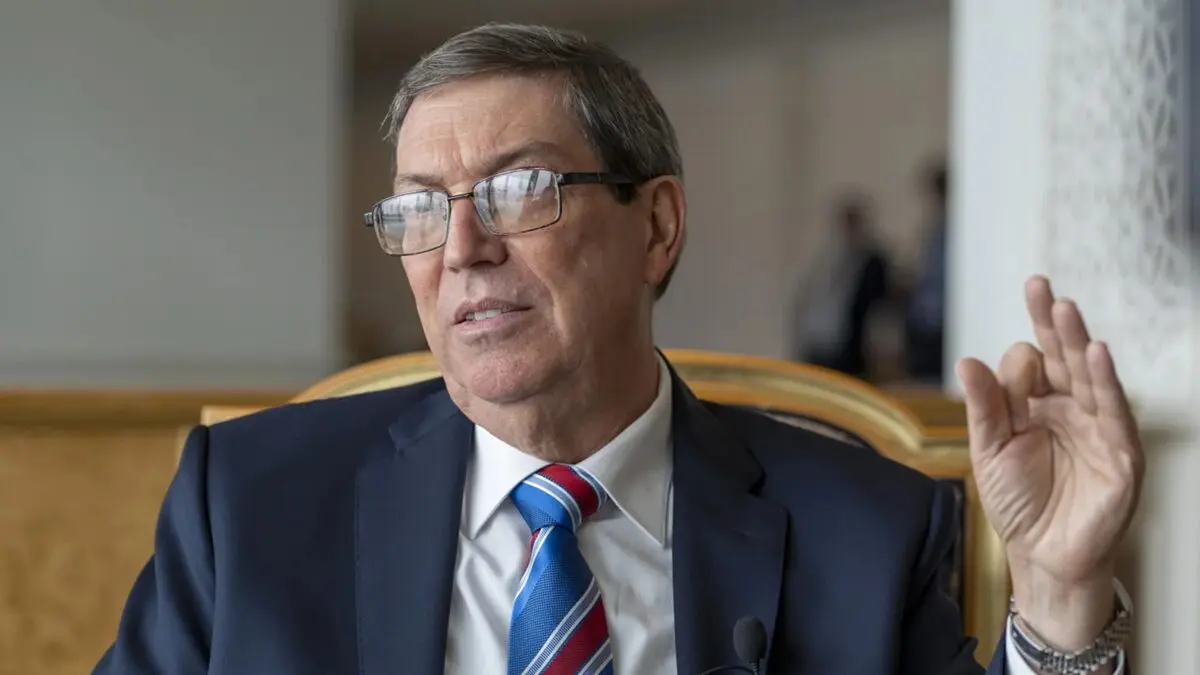
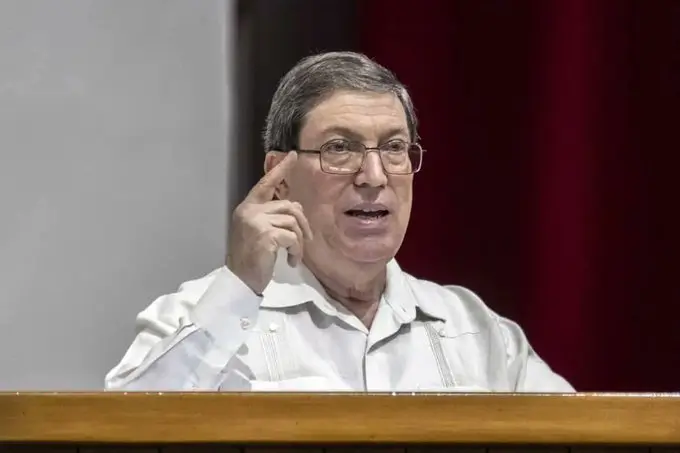
On Monday, Cuban Foreign Minister Bruno Rodriguez expressed gratitude to compatriots abroad and solidarity movements that mobilized over the weekend in several cities around the world.
He said that at a time when Washington is attempting to block fuel supplies, public support and donations demonstrate that Cuba has international backing. He also reaffirmed that such actions help mitigate the humanitarian impact stemming from “a criminal policy.”
In September 2025, during presentation of Cuba’s annual report to the United Nations General Assembly (UNGA), Rodriguez said the six-decade embargo has caused losses to the Cuban economy of at least US$171 billion.
teleSUR/ JF
Sources: teleSUR – PL