


U.S.-China Trade Tensions Impact Panama Canal’s Operations
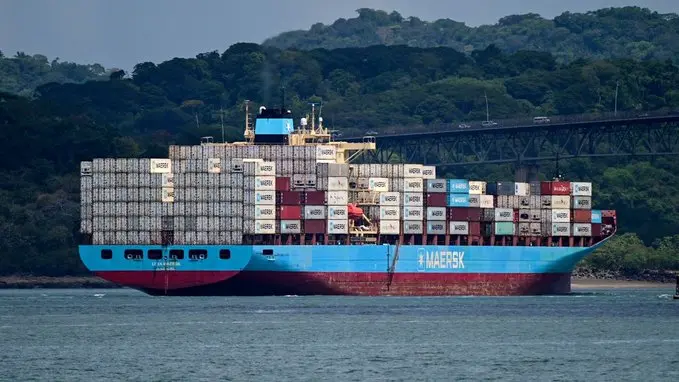
The measures do not involve the confiscation of ships or their cargo, but they do affect logistical operation times.
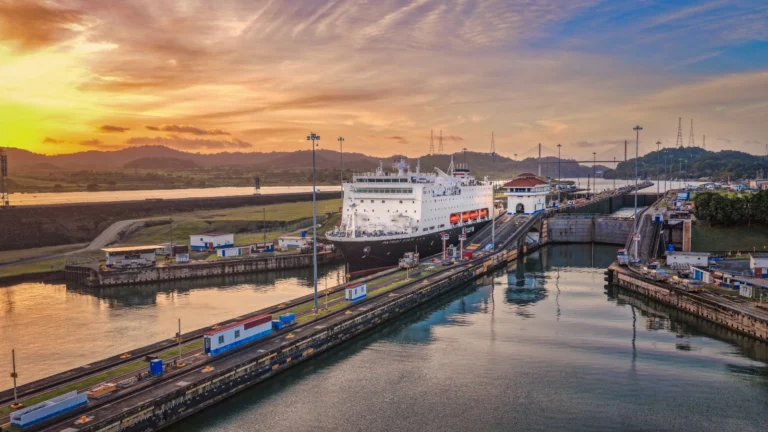
Panama Canal. Photo EFE
April 2, 2026 Hour: 2:07 pm
🔗 Comparte este artículo
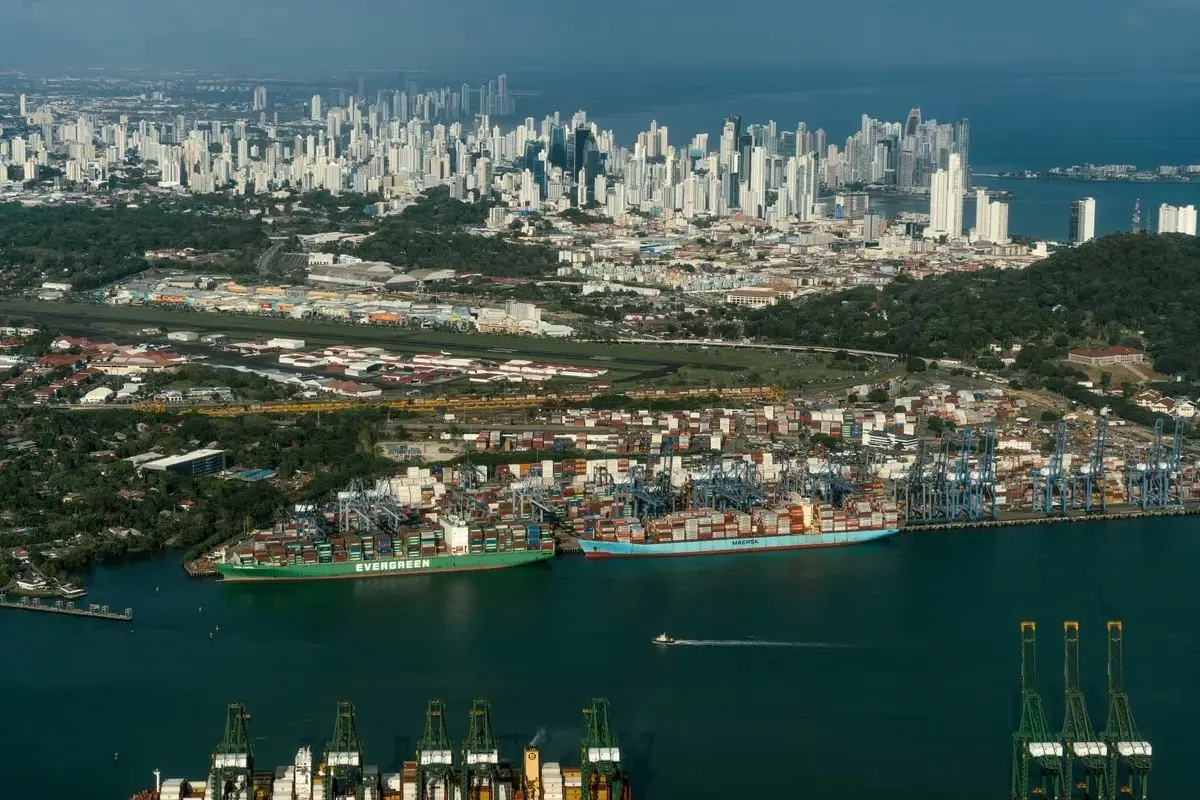
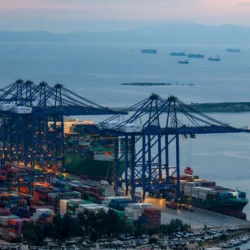
The increased detention of Panamanian-flagged vessels in Chinese ports has sparked a diplomatic exchange following the Panamanian Supreme Court’s decision to revoke the concession granted to Panama Ports Company (PPC), a subsidiary of the Hong Kong-based conglomerate CK Hutchison, to operate the ports of Balboa and Cristóbal, located at opposite ends of the Panama Canal.
RELATED:
China-Panama Tensions Impact Maritime and Merchant Sectors
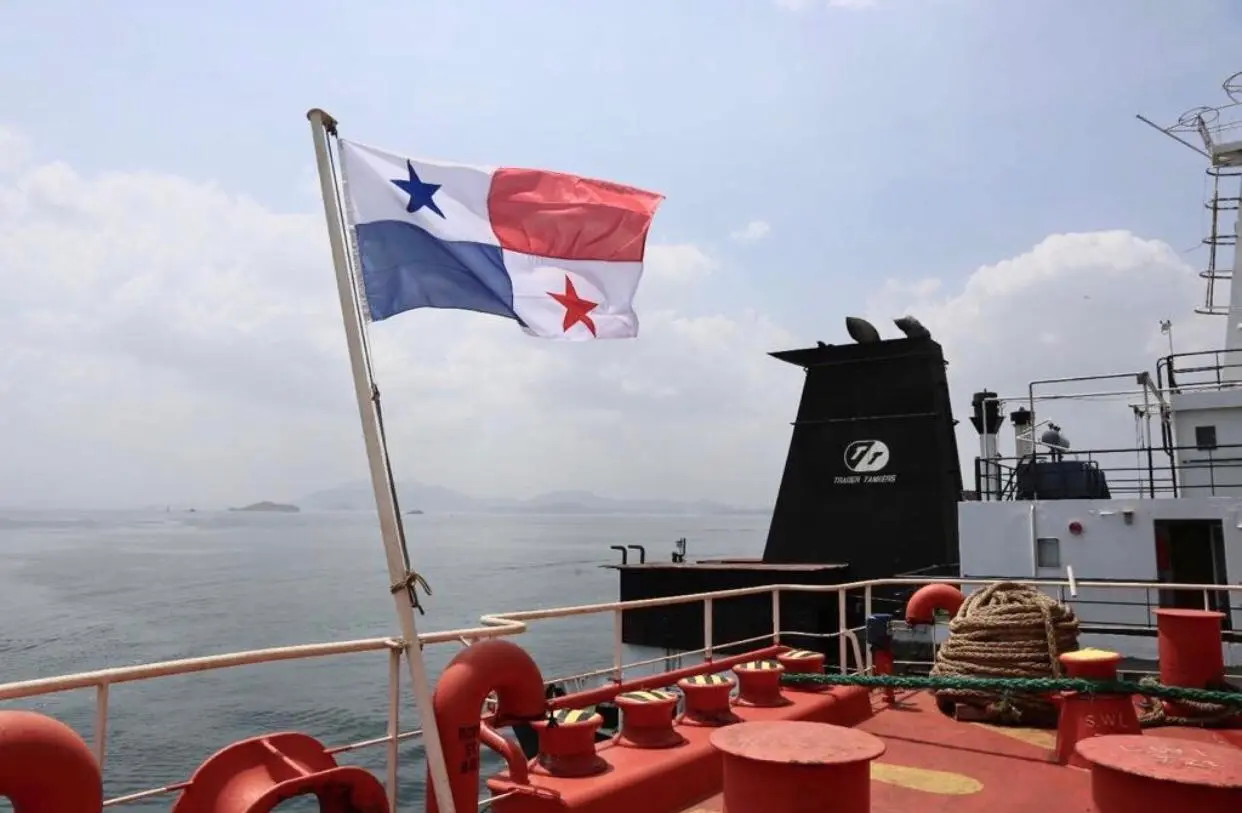
The Panamanian government acknowledged that Chinese port authorities have implemented additional inspections and delays in the departure of Panamanian vessels. These measures do not necessarily involve the confiscation of ships or their cargo, but they do affect logistical operation times.
From Washington, it was stated that these actions “harm the stability of global supply chains” and could raise costs for businesses and consumers. This statement makes no mention of the fact that the Trump administration is behind the pressure and blackmail, given that a large portion of its maritime trade is carried out by Panamanian fleets.
On January 30, Panama’s Supreme Court annulled the concession granted to PPC, allowing the State to assume control of the port terminals.
CK Hutchison noted that its subsidiary had legally operated both terminals for nearly 30 years, during which time it invested over $1.8 billion in infrastructure, technology, and training, generating thousands of direct and indirect jobs.
The company described the court’s decision as a breach of the principles of good faith in contracts and warned that it contradicts previous rulings by the Supreme Court itself regarding similar concession agreements.
For its part, the Chinese government expressed its strong rejection of the Panamanian court’s decision. Chinese Foreign Ministry spokesman Guo Jiakun stated that Beijing “will take all necessary measures to firmly safeguard the legitimate rights and interests of Chinese companies.”
He also urged the Panamanian government to respect the principle of legal certainty, contractual compliance, and a fair business environment free from external interference.
Meanwhile, President Jos Mulino declared that Panama has maintained that sovereignty over the Canal “is and will remain Panamanian” and has denied that China or the U.S. interfere in the administration of the interoceanic waterway.
However, the geopolitical context has been marked by statements from U.S. President Donald Trump, who expressed his intention to “take back control” of the Panama Canal.
Author: HGV/JF
Source: Panama Canal