







Two Years of War in Gaza: A Decimated Population and a Collapsing Territory
Two years after the conflict began, Gaza faces collapse: more than 67,000 Palestinians killed, 20,000 of them children, and over ten percent of its population dead or wounded.
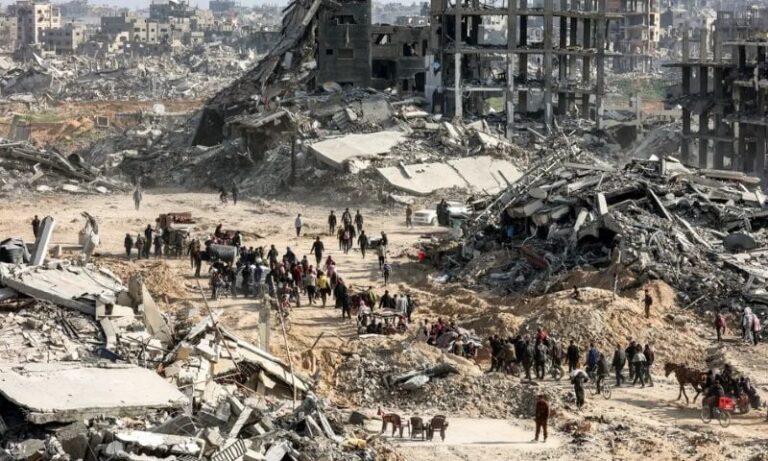
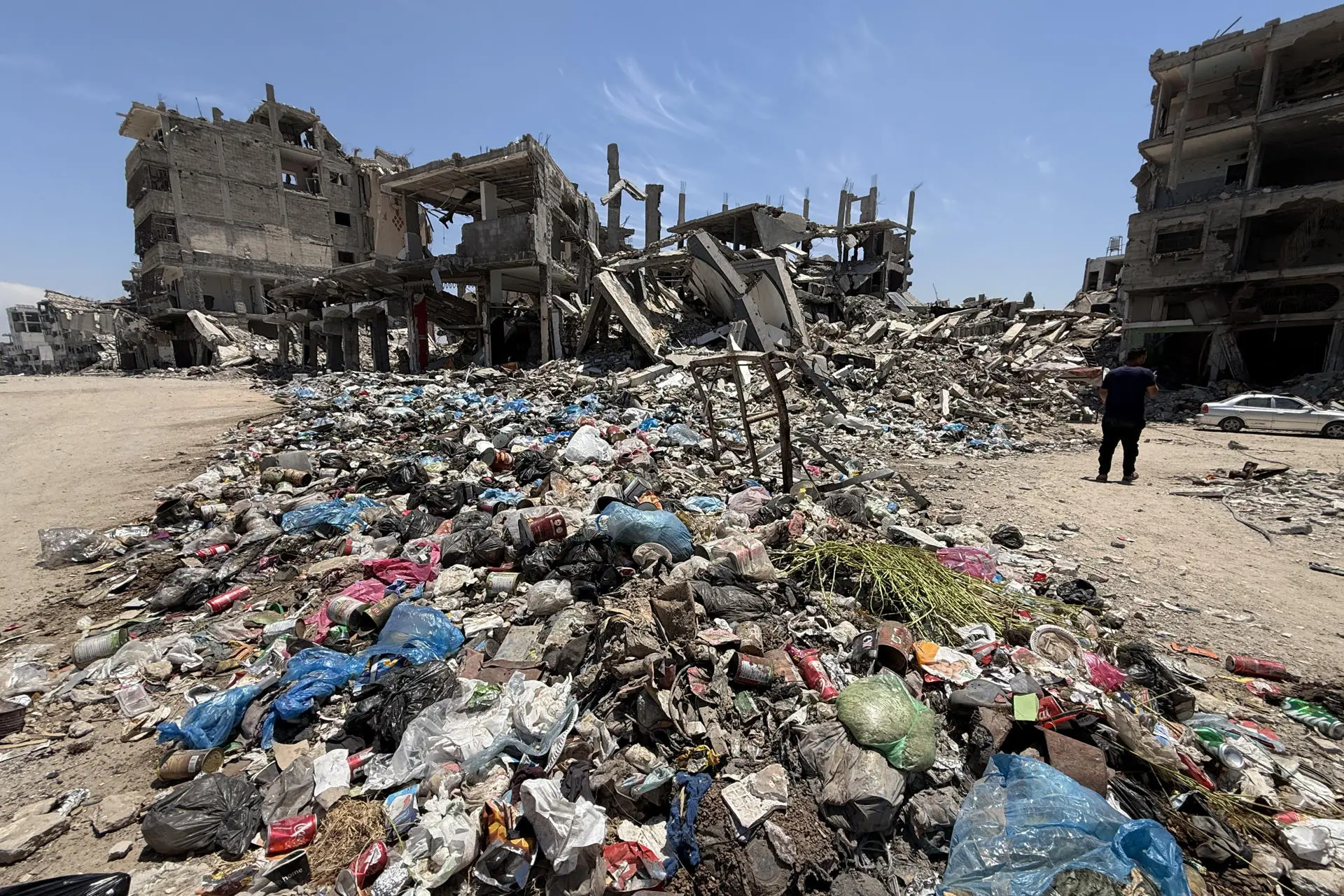
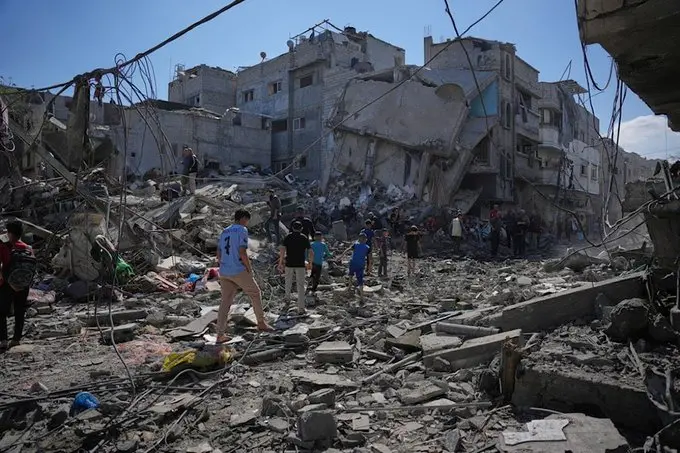
Two years on, Gaza stands in ruins as famine spreads and tens of thousands remain unaccounted for amid near-total destruction. Photo: @WENewsEnglish
October 7, 2025 Hour: 7:11 am
🔗 Comparte este artículo
Two years after the war in Gaza began on October 7, 2023, the enclave remains shattered. More than 67,000 Palestinians have been killed, including 20,000 children, while over ten percent of the population has been killed or wounded amid ongoing blockade, displacement, and famine.
RELATED:
Mexico reiterates call to stop Israel’s genocide against Gaza
The conflict began when Hamas launched an assault on Israeli territory, killing 1,200 people and taking 251 hostages, with the Nova music festival among its main targets. Israel responded with a full-scale military offensive against Gaza — a campaign that convulsed the region and drew global outrage.
According to Gaza’s Ministry of Health, over 67,000 Palestinians have been killed during the two years of war. Nearly 20,000 were children, meaning more than one child has been killed every hour on average since the fighting began. Out of just over two million residents, more than ten percent have been killed or injured.
The humanitarian situation has reached catastrophic levels. Gaza authorities report that more than 450 people, a third of them children, have died from hunger and malnutrition. On August 22, the United Nations confirmed that famine had taken hold in Gaza Governorate — where the capital lies — after experts warned that more than 640,000 residents were facing “catastrophic” levels of hunger.
Since March, Israel has blocked large-scale humanitarian deliveries by UN trucks. Food, medicine, fuel, and tents have entered the enclave only sporadically.
Israeli forces currently control about 82 percent of Gaza’s territory. The United Nations reports that 92 percent of all homes have been damaged or destroyed, and only 14 of Gaza’s 36 hospitals remain partially functional. Most of the enclave’s population has been displaced multiple times. The Israeli army continues to demolish residential towers and buildings in Gaza City, after having flattened northern areas such as Jabalia, Beit Hanoun, and Beit Lahia, as well as the southern city of Rafah.
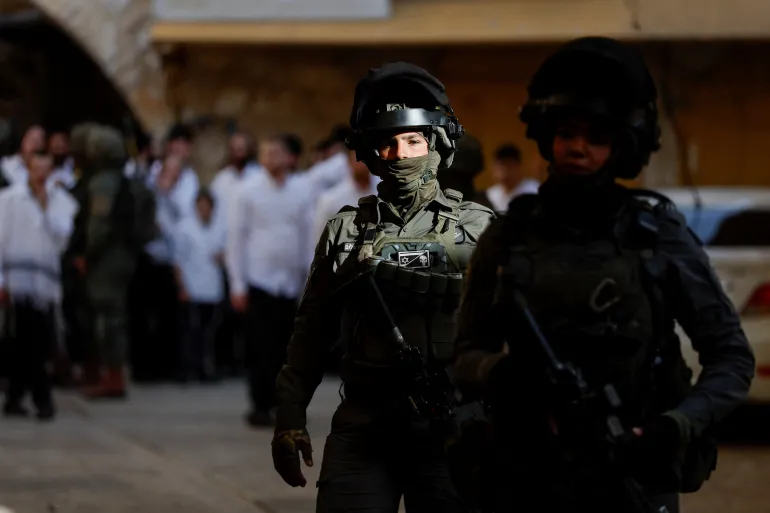
Access for journalists remains almost entirely restricted. Israel has barred foreign press from entering Gaza, permitting only tightly controlled, military-escorted visits to select sites. Meanwhile, local reporters have paid an extraordinary price: at least 252 Palestinian journalists have been killed, according to Gaza authorities. The Committee to Protect Journalists (CPJ) has confirmed 197 media workers killed during the war.
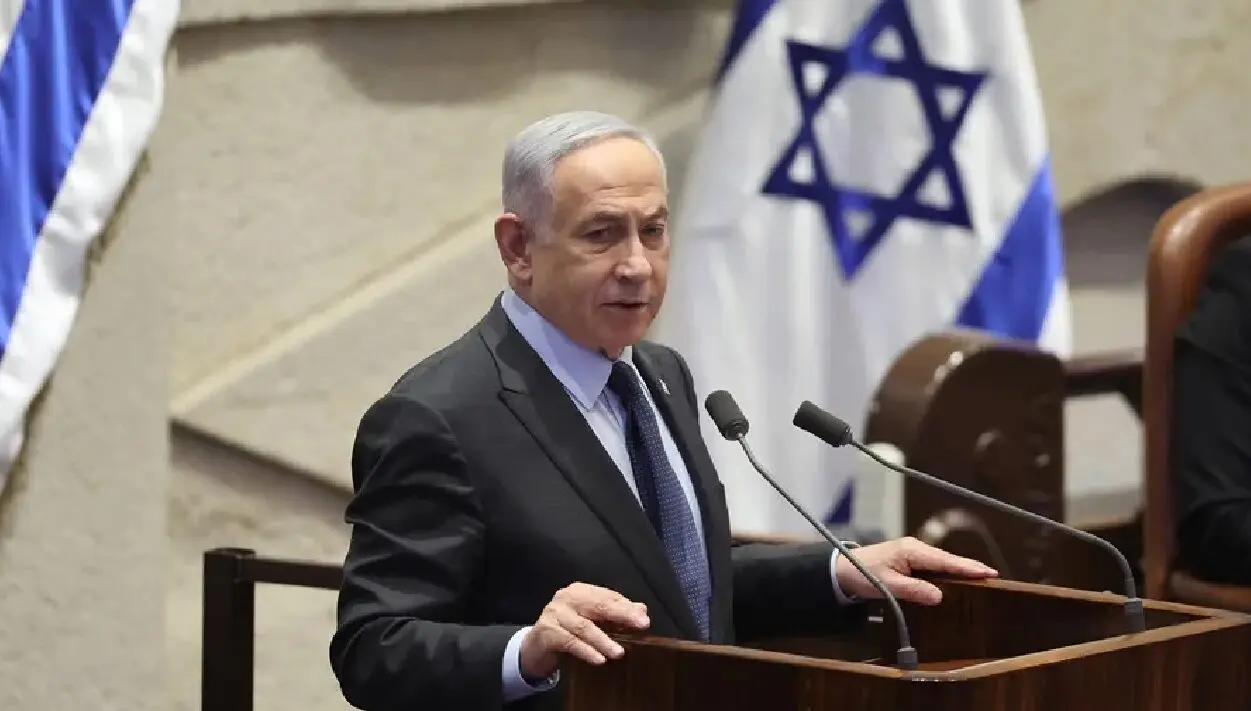
In November 2024, the International Criminal Court issued an arrest warrant for Israeli Prime Minister Benjamin Netanyahu on charges of war crimes and crimes against humanity, including the use of starvation as a weapon of war.
Over the past year, Israel has faced increasing global isolation. Protests, boycotts, and exclusions from cultural, academic, and sporting events have multiplied. A UN committee and several human rights organizations have described the situation in Gaza as genocide.
Countries in Latin America and Europe have taken decisive positions. Brazil accused Netanyahu of genocide — a statement that led Israel to declare President Luiz Inácio Lula da Silva persona non grata. Colombia severed diplomatic relations, while Spain imposed an embargo on the sale and purchase of arms and defense equipment.
Since October 2023, twenty countries — including former Israeli allies such as the United Kingdom and France — have officially recognized the State of Palestine. Israel has rejected these moves, insisting that a Palestinian state “will never be a reality.”
After two years of continuous assault, Gaza lies in ruins — its cities leveled, its people starving, its future uncertain. The numbers tell a story of collective devastation and a war that shows no sign of ending.
Author: MK
Source: EFE, HispanTV