


Trump to Bolster U.S. Military Power in the Indo-Pacific
X/ @firstpost
December 5, 2025 Hour: 1:27 pm
🔗 Comparte este artículo
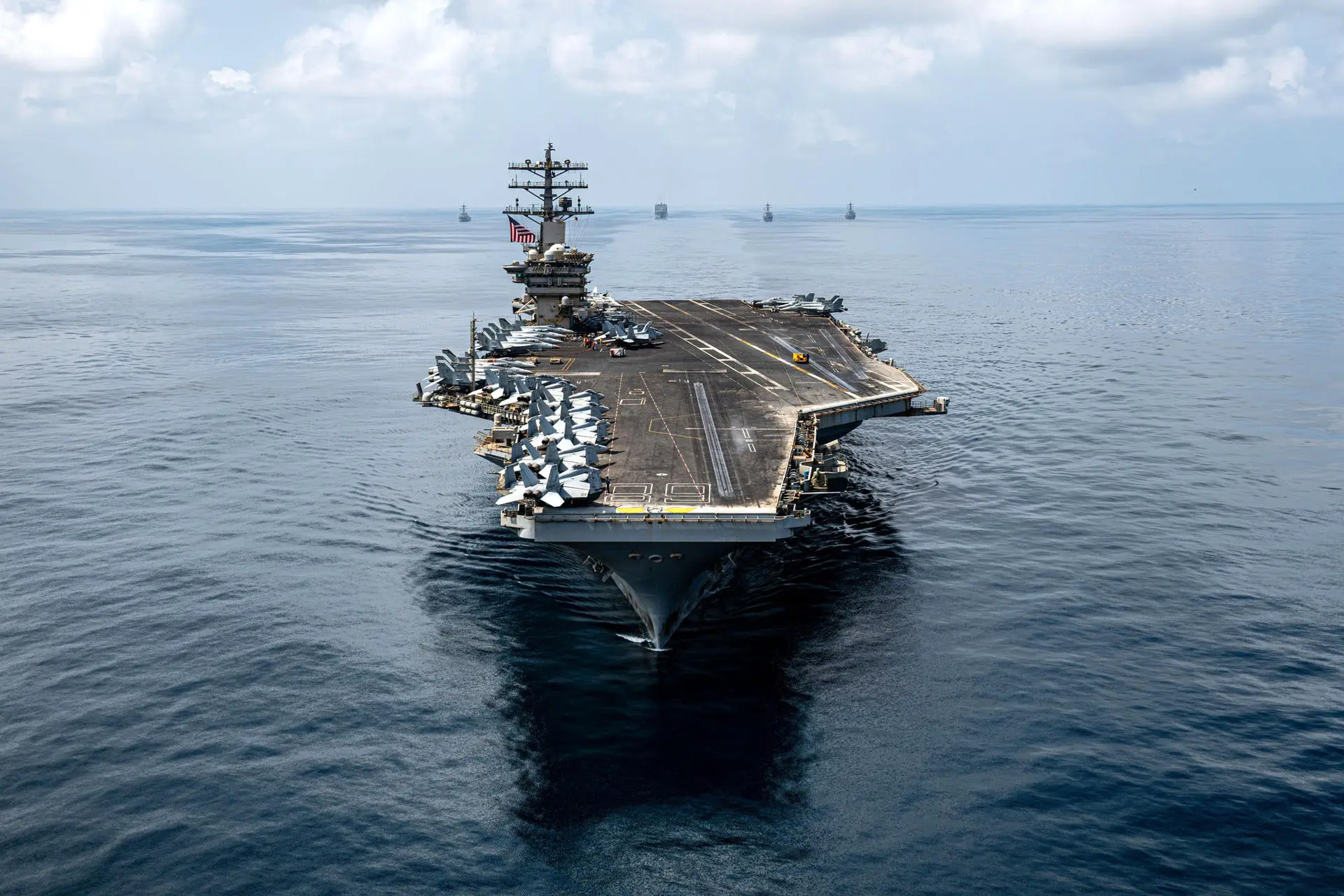
The 2025 National Security Strategy states that an attack on Taiwan should represent too high a cost for aggressors.
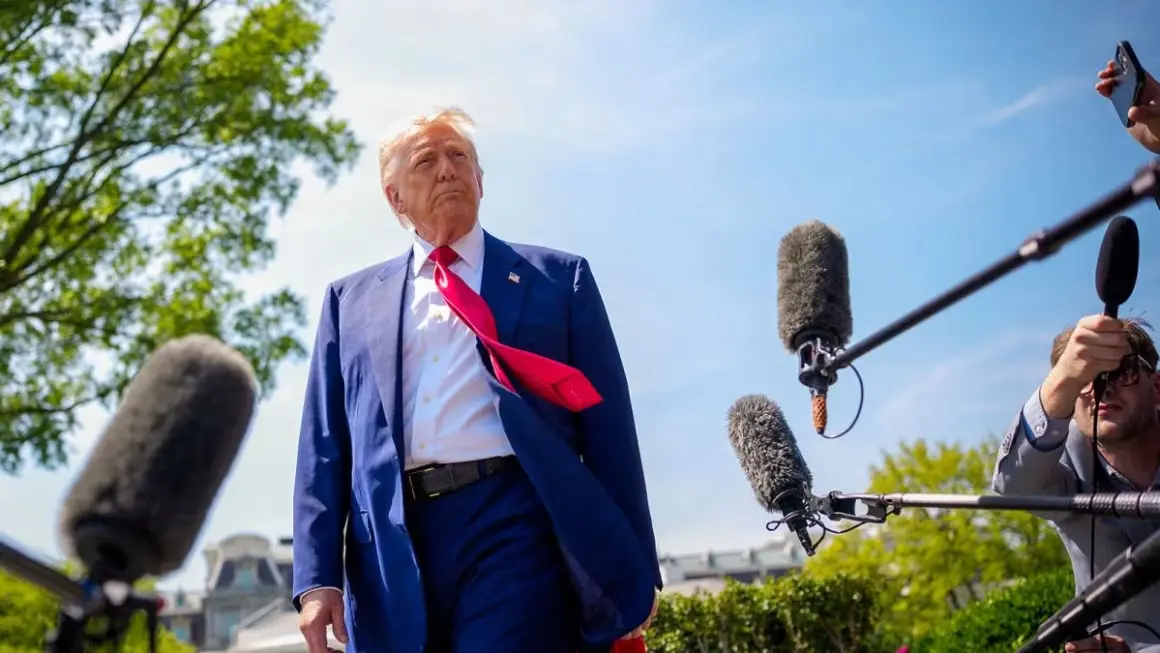
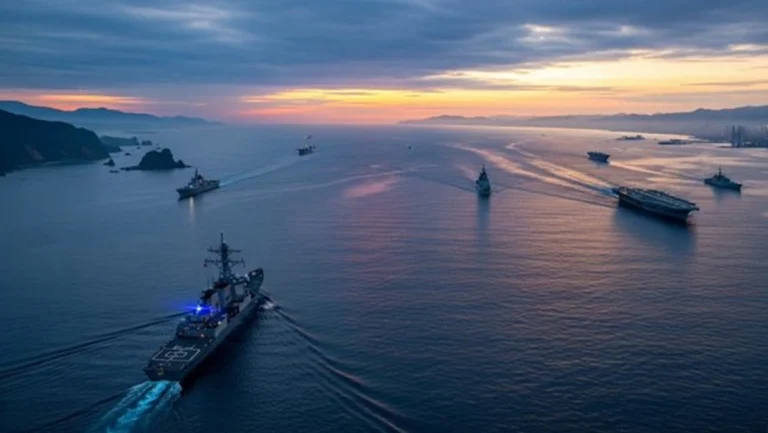
On Friday, U.S. President Donald Trump released the 2025 National Security Strategy (NSS), a document that calls for maintaining military superiority in the Taiwan Strait.
RELATED:
Japan-Taiwan tensions: 80 Protests Erupt as PM Takaichi’s Remarks Spark Diplomatic Outrage
This document reaffirms the long-standing U.S. policy of rejecting unilateral changes to the status quo in the Indo-Pacific region, but underscores the importance of “preserving regional stability through a combination of military preparedness, strategic diplomacy and support for allies.”
Although the 2025 NSS maintains ambiguity about direct intervention, it emphasizes that the defense of Taiwan is part of the U.S. national security interests. It also warns that a conflict on the island would have “serious global implications,” both economic and geopolitical.
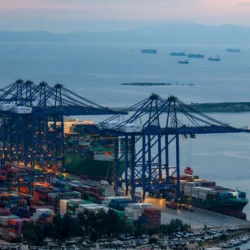
Taiwan plays “a key role in strategic production chains, especially in the technology industry and in the supply of semiconductors, making any crisis a risk with international reach.” For that reason, preventing a military confrontation is “essential to protect the global economy and maintain stability in a region vital for global trade.”
The 2025 NSS also notes that competition with China has become a pillar of U.S. foreign policy, and that strengthening regional alliances and preparing contingencies to increase deterrence against external threats are strategic priorities.
While acknowledging the importance of diplomacy, the new national security strategy prioritizes preventive action and military readiness to “ensure that any aggression against Taiwan is perceived as unacceptable.”
For more than seven decades, the United States has been involved in disputes between China and Taiwan, supplying arms to Taipei and maintaining—despite the absence of formal diplomatic relations—a commitment to defend the island in the event of conflict with Beijing.
China has consistently emphasized that Taiwan is an “inalienable part” of its territory and has not ruled out the use of force to reclaim it. This position has been rejected by Taipei, which insists that only Taiwan’s 23 million inhabitants can decide their political future.
In recent years, China has intensified its campaign of diplomatic and military pressure, conducting war drills near Taiwan with increasing frequency and pushing Taipei to lose diplomatic allies to Beijing.
Regional tensions have risen in recent weeks following comments by Japanese Prime Minister Sanae Takaichi, who said a Chinese attack on Taiwan could constitute a “situation threatening Japan’s survival” and justify action by her country’s Self-Defense Forces. Beijing described the remarks as “extremely serious” and responded with protests, trade restrictions and travel warnings.
On Nov. 25, Chinese President Xi Jinping reminded Trump that Taiwan’s return to China is a “significant part” of the post-World War II international order.
teleSUR/ JF
Source: EFE