







Trump Says Bombings Target ‘Terrorist Cartels’ Beyond Venezuela
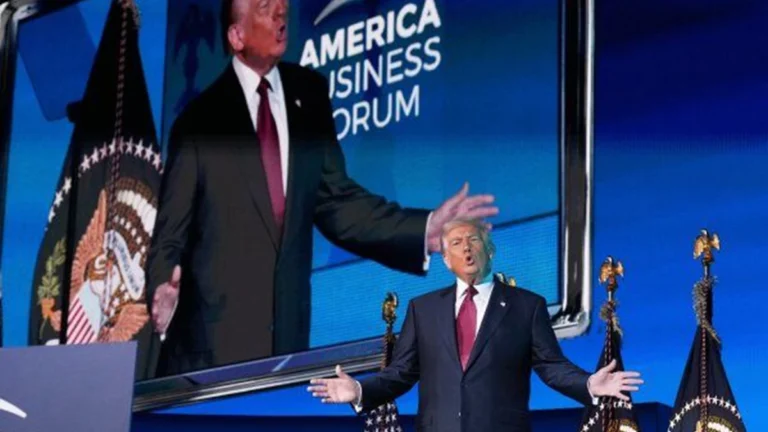
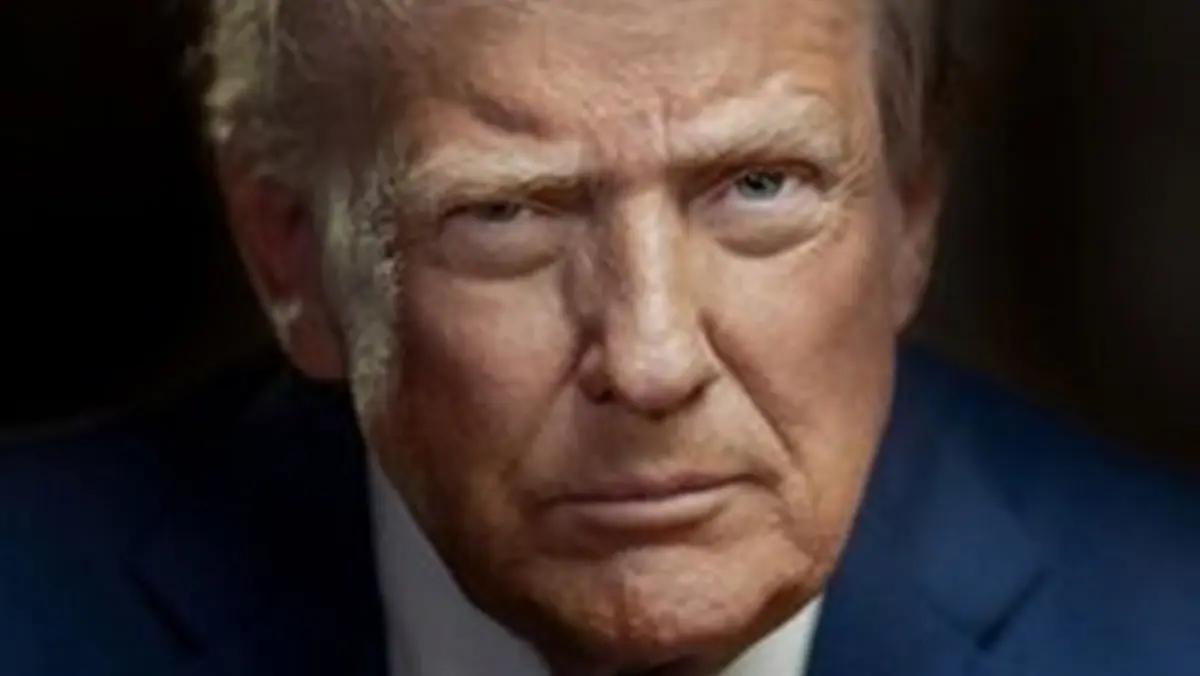
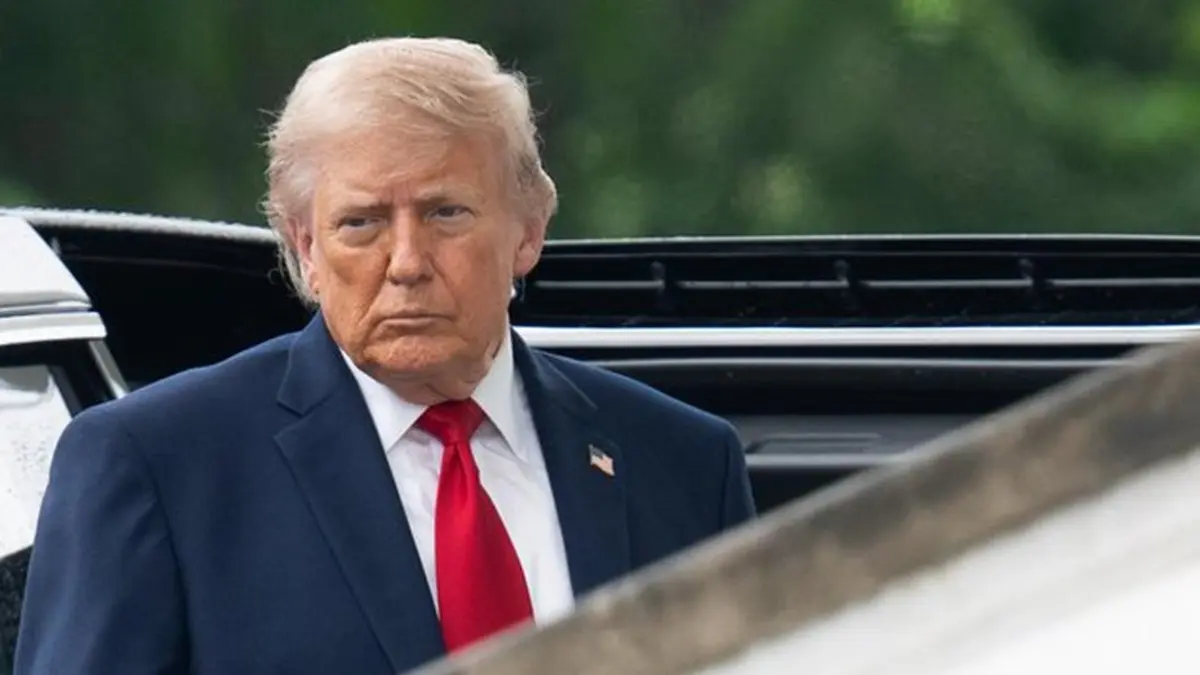
U.S: President Donald Trump, Nov. 5, 2025. X/ @CubaHerald
November 6, 2025 Hour: 8:35 am
🔗 Comparte este artículo
U.S. military strikes in the Caribbean and Pacific spark human rights concerns and accusations of geopolitical motives.
On Wednesday, U.S. President Donald Trump acknowledged that bombings against “terrorist cartels” are not limited to Venezuela but also target other Latin American countries he did not name.
RELATED:
Cuba denounces U.S. extrajudicial executions in Caribbean and Pacific waters
“We’re blowing up terrorist cartels and we’re busting them — those linked to the Maduro regime in Venezuela and others. Look, it’s not just Venezuela, but a lot of things are coming,” he said during the America Business Forum in Miami.
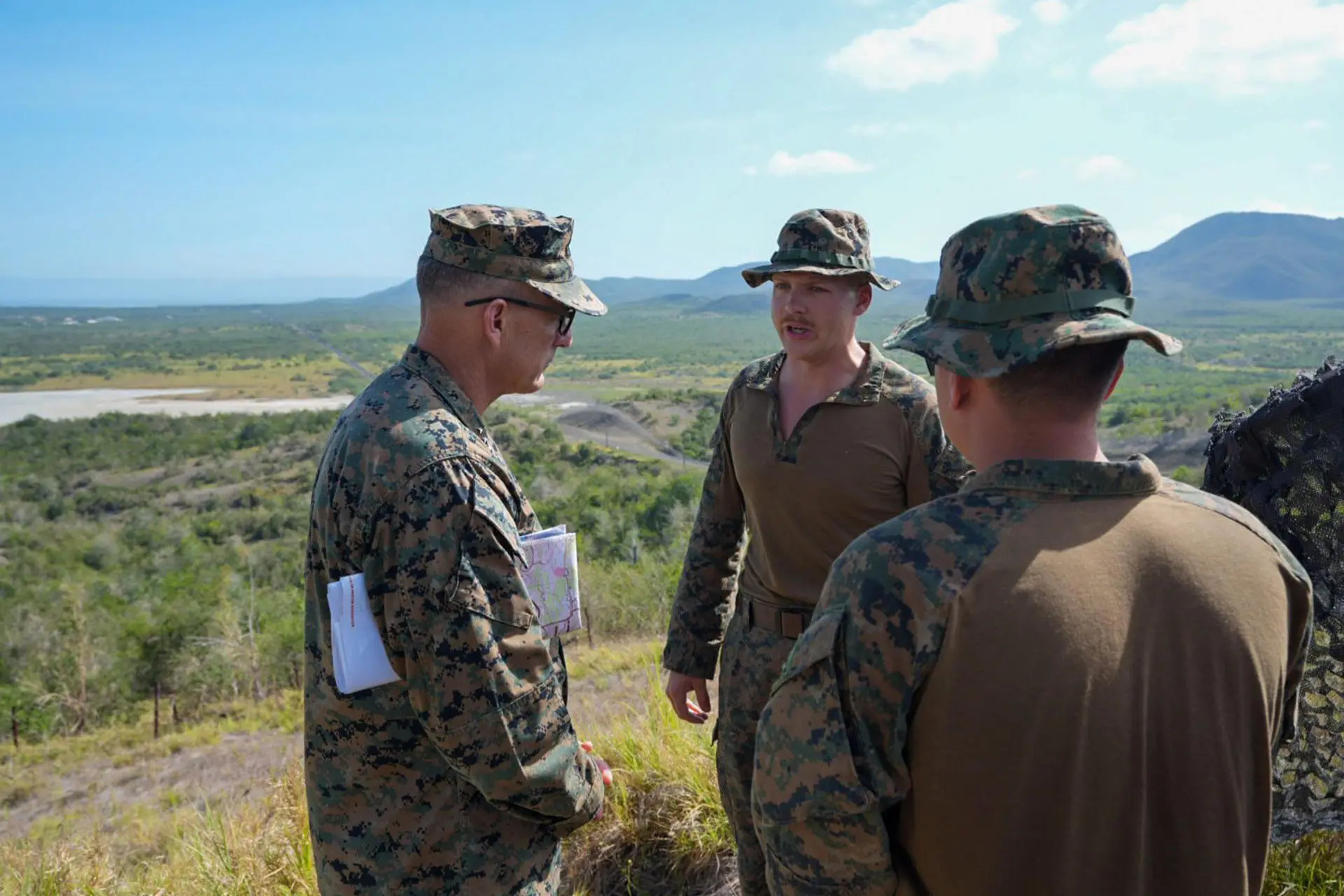
Since Sept. 1, attacks carried out by U.S. Southern Command (SouthCom) have killed 66 people allegedly linked to drug trafficking who were traveling aboard 17 vessels in the Caribbean and the Pacific.
The U.S. government has not yet presented solid evidence to justify its actions. However, Trump defended the strikes, arguing they prevent the entry of drugs and “save” 25,000 Americans for every vessel bombed.
His remarks come as his administration considers bombing military targets inside Venezuela, according to reports by The Wall Street Journal, The New York Times, and The Miami Herald. On Monday, NBC reported that Trump is also weighing possible military strikes against cartels inside Mexican territory.
“Venezuela emptied its prisons into our country. Nobody wants that. They emptied their prisons into our country. We are freeing our cities from the scourge of violent crime, making our country safe and beautiful again,” the Republican leader said, repeating a narrative not based on evidence but on familiar conservative rhetoric.
The Office of the United Nations High Commissioner for Human Rights have stated that the attacks “were not carried out in the context of national defense nor against individuals who posed an imminent threat to life,” which could constitute international crimes.
The operations, conducted by SouthCom, have included the use of lethal force against vessels in international waters without prior judicial proceedings.
This has raised questions about the legitimacy of the U.S. military approach and its possible use for geopolitical purposes, especially amid indications that Trump is considering extending bombings to military targets inside Venezuela — reinforcing suspicions of a regime-change strategy.
The militarization of the Caribbean and Pacific under the pretext of the war on drugs has triggered regional alarm over the disproportionate use of force and the potential escalation of violence in Latin America and the Caribbean.
Venezuela, Colombia, and Cuba have rejected the military buildup and repeatedly warned about the threat it poses to the region. These countries have emphasized the need to preserve Latin America and the Caribbean as a “Zone of Peace,” as proclaimed during the 2014 Summit of the Community of Latin American and Caribbean States (CELAC) in Havana.
teleSUR/ JF
Source: EFE