







Trump presses allies to secure Hormuz after Iran war
Trump calls on NATO, Europe and Asian powers to help reopen the Strait of Hormuz after the US-led war on Iran disrupted global oil shipments.
(FILE) Photo: RT
March 16, 2026 Hour: 3:55 am
🔗 Comparte este artículo
After launching the war on Iran, the US president urges NATO, EU and Asian powers to help reopen a key oil route disrupted by the conflict.
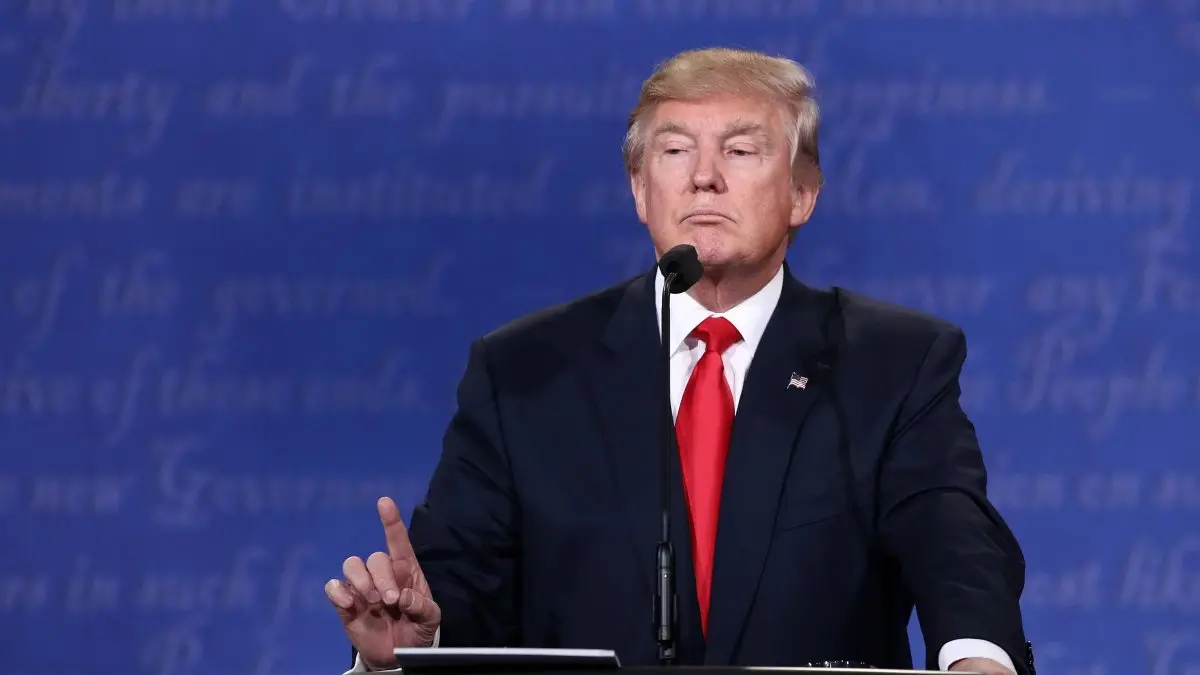
US President Donald Trump is urging NATO members, European partners and major Asian economies to help reopen the Strait of Hormuz after the conflict initiated by Washington and Israel against Iran disrupted one of the world’s most critical oil shipping corridors.
RELATED:U.S. Fails to Break Iran’s Strait of Hormuz Blockade
The request comes after Iran asserted control over the Strait of Hormuz in response to US attacks, restricting navigation through a maritime passage that carries roughly one fifth of global oil exports.
The measure has effectively prevented the United States and several of its partners from freely using the route, while contributing to rising global oil prices and uncertainty in energy markets.
Text Reads: President Donald Trump sought international support to reopen the Strait of Hormuz after Iran closed this vital maritime route amidst the escalating conflict in the Middle East.
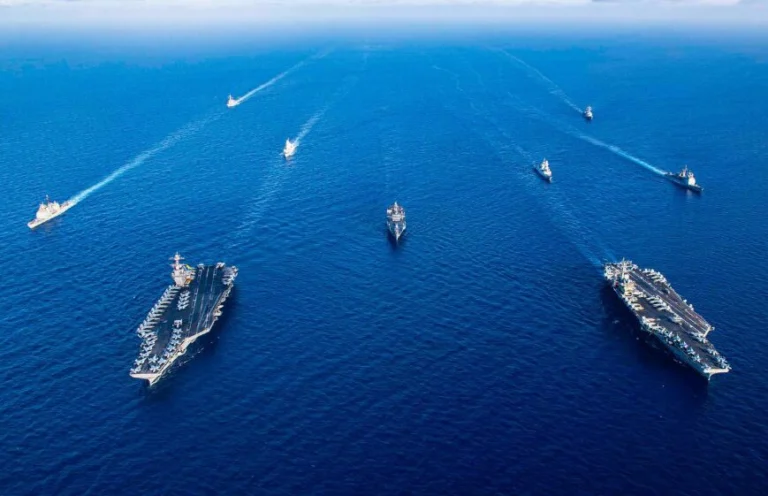
Washington requested that several countries dispatch warships to ensure safe passage through the strait, a route critical to global oil transport. However, it has yet to receive clear responses from its allies.
This lack of support reflects the caution exercised by other nations regarding the crisis and the risk of further military escalation in the region.
Through his Truth Social platform, Trump called on several countries to join US efforts to keep the waterway open. “I hope China, France, Japan, South Korea, the United Kingdom and other countries affected by this artificial constraint will send ships to the area so that the Strait of Hormuz ceases to be a threat from a nation that has been totally decapitated,” the US president wrote.
So far, none of the governments mentioned has made a clear commitment to deploy naval forces to the region.
Iranian Foreign Minister Abbas Araghchi said Tehran had received requests from several countries seeking safe passage for their vessels, but indicated that such decisions would ultimately be made by the Iranian armed forces.
Around 1,000 oil tankers are currently unable to cross the strait. Since the conflict began on February 28, at least ten tankers have reported attacks, damage or attempted strikes. The disruption has affected global energy markets, with oil prices rising amid uncertainty about the duration of the conflict and the security of shipping routes through the Gulf.
China, one of the countries named by Trump, responded through embassy spokesperson Liu Pengyu, who stated that “all parties have the responsibility to ensure a stable and unimpeded energy supply,” while indicating that Beijing supports efforts to reduce tensions.
Germany has also rejected direct involvement in the confrontation. Foreign Minister Johann Wadephul said Berlin would not become an active participant and stressed that maritime security would depend on diplomatic engagement. “The security in the Strait of Hormuz and equally in the Red Sea will come when there is a negotiated solution and when people talk with the Iranians,” Wadephul said.
Other governments have adopted similar positions. Australia confirmed it will not deploy naval vessels to escort oil tankers in the area. Transport Minister Catherine King said Canberra had not received any formal request. “We are not aware that we have been asked and it is not something we are contributing to,” King said.
Japan has also ruled out immediate military deployment. Prime Minister Sanae Takaichi said Tokyo is studying possible measures to protect Japanese ships and crews within existing legal frameworks but noted that no formal request had been made.
“Given that we have not yet been formally requested, it is difficult to respond to a hypothetical situation,” Takaichi said.
Even close US partners have limited their response. The United Kingdom has deployed only eight sailors from the Royal Navy’s mine and threat exploitation group to Bahrain, a move that reflects a limited level of engagement.
As diplomatic hesitation grows, Trump has increased pressure on NATO members, warning that the alliance could face consequences if they refuse to assist. “If there’s no response or if it’s a negative response, I think it will be very bad for the future of NATO,” Trump said.
He also argued that countries benefiting from the oil transported through the strait should contribute to securing it. “It’s only appropriate that people who are the beneficiaries of the Strait will help to make sure that nothing bad happens there,” the US president added.
With tankers stalled, oil prices rising and allies reluctant to expand the conflict, Washington’s effort to assemble a multinational operation in the Strait of Hormuz remains uncertain.
Author: MK
Source: Al Jazeera / Al Mayadeen