







Donald Trump Breaks FIFA World Cup Trophy Protocol Tradition
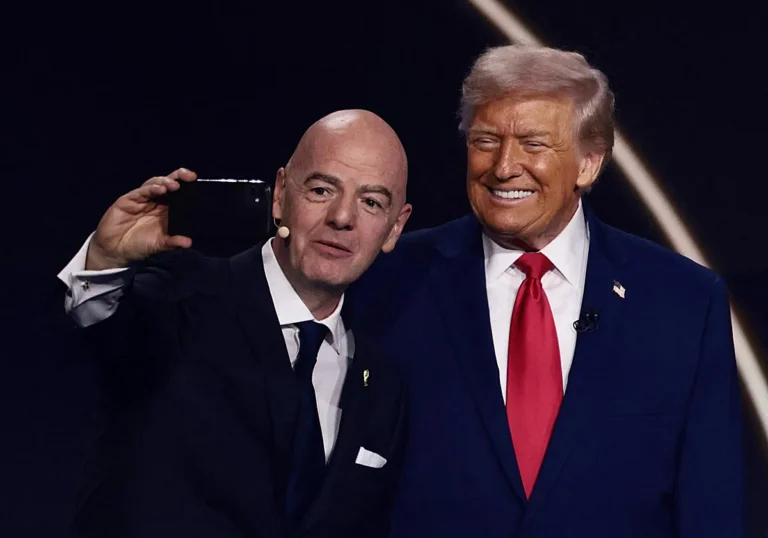
The definition of the World Cup between Argentina and Spain in New York will not only crown the new champion, but will leave out the traditional protocol of the World Cup. Photo: Reuters.
July 17, 2026 Hour: 8:55 pm
🔗 Comparte este artículo
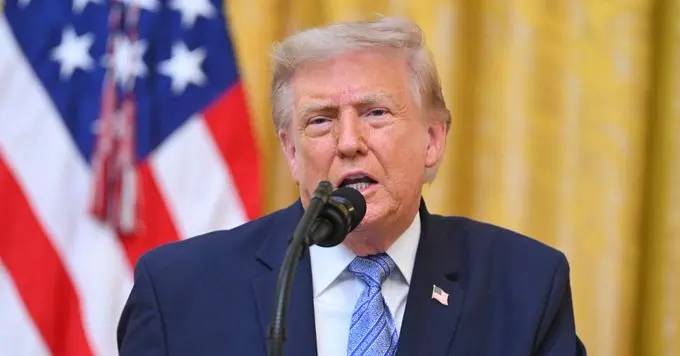
Scheduled for Sunday at MetLife Stadium in New York–New Jersey, the match will feature U.S. President Donald Trump presenting the World Cup trophy alongside FIFA President Gianni Infantino.
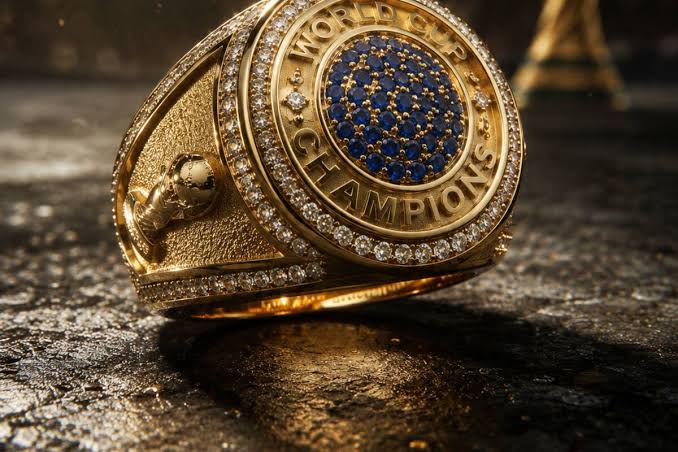
The FIFA World Cup 2026 final between Argentina and Spain will not only determine the next world champion but will also introduce unprecedented changes to one of football’s most symbolic ceremonies.
FIFA has not traditionally assigned such a ceremonial role to political leaders, making Sunday’s presentation a historic first for the competition. The 2026 edition, however, will introduce several unprecedented elements.
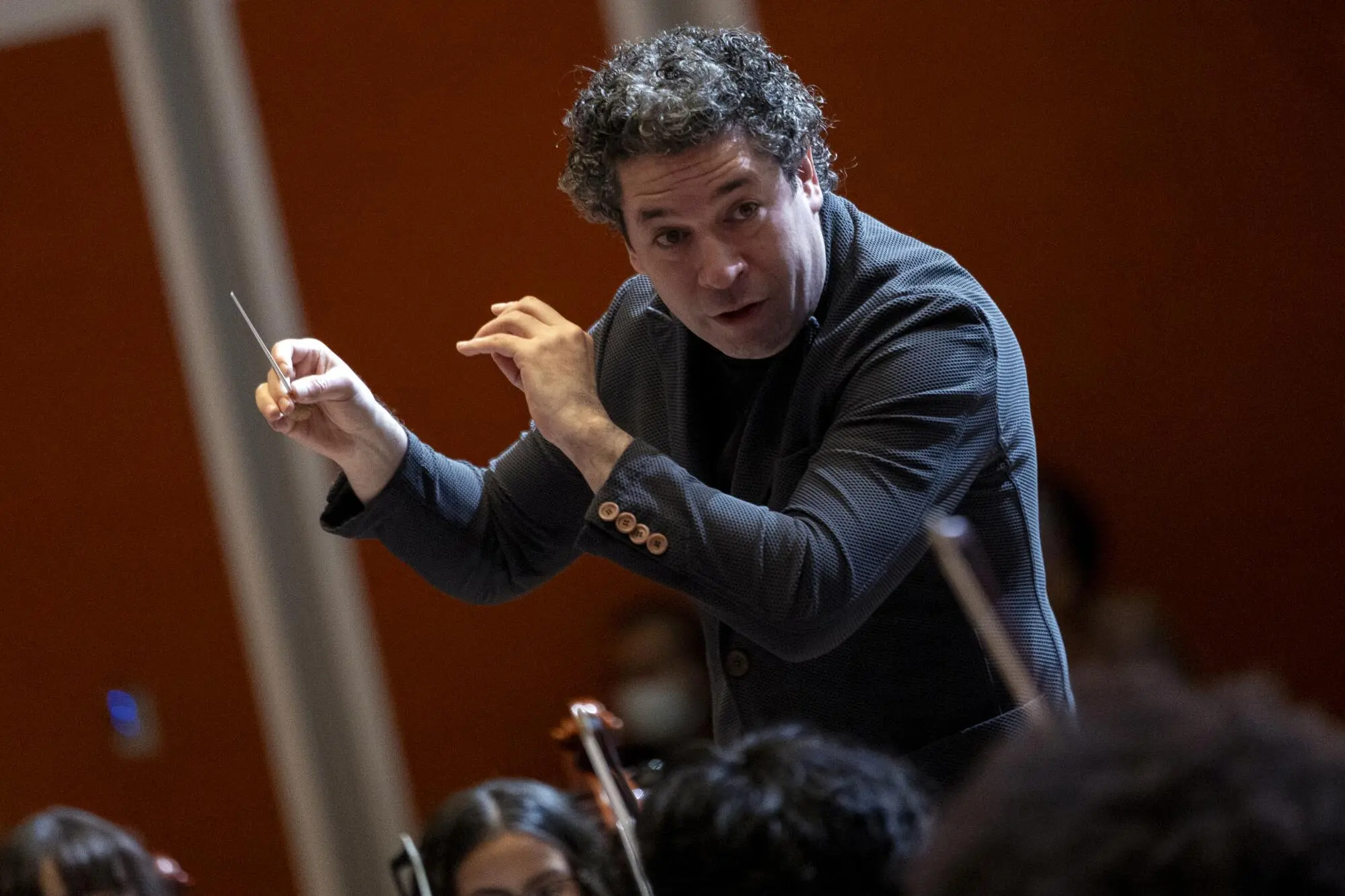
RELATED: Gustavo Dudamel to Honor Venezuela in World Cup 2026 Halftime
The most significant departure concerns the trophy presentation. Instead of FIFA officials alone handing the trophy to the victorious captain, U.S. President Donald Trump will join FIFA President Gianni Infantino on the main podium to deliver the iconic prize.
The decision places the head of the tournament’s principal host nation at the center of one of the sport’s most recognizable moments.
The pre-match ceremony will also differ from previous World Cup finals. Award-winning U.S. singer Jennifer Hudson is scheduled to perform “The Star-Spangled Banner” immediately before the national anthems of Argentina and Spain. Although the World Cup 2026 is jointly hosted by the United States, Canada and Mexico, only the U.S. national anthem will be included in the official pre-match ceremony.
FIFA has explained that the ceremony aims to “close the circle of the World Cup through music and culture,” emphasizing the host venue for the final. Nevertheless, the decision has drawn attention because it places the symbolic focus almost entirely on the United States during the tournament’s closing event.
Political Spotlight
The ceremonial changes arrive as global sporting organizations continue to navigate the relationship between politics and international competition.
While FIFA statutes traditionally emphasize political neutrality, the inclusion of the U.S. President in the trophy presentation has generated discussion among football observers about the balance between state representation and sporting protocol. Supporters argue that it recognizes the country hosting the final match, while critics view it as an unusual level of political visibility during football’s premier event.
The final itself promises to be one of the most anticipated matches of the tournament. Argentina arrives seeking another World Cup title after extending one of the most successful eras in its football history, while Spain hopes to reclaim the sport’s highest honor by completing an impressive campaign marked by disciplined possession play and tactical consistency.
The match this Sunday in New York will not only define the new monarch of global football. It will also leave a historic precedent in FIFA’s organization due to the alterations of its institutional protocol in favor of local political representation. The integration of Donald Trump into the trophy ceremony and the exclusion of co-host symbols represent a fundamental shift in how the tournament manages its ceremonial framework.
The tournament celebrates the universal language of football while simultaneously demonstrating how national political interests can reshape even the most established sporting traditions. The legacy of this final will extend beyond the scoreboard into the ongoing debate about the relationship between sports, politics, and the commercialization of global sporting events.
Author: Laaura V. Mor
Source: Agencies / FIFA