







The United States withdraws from the WHO with $260 million in unpaid dues
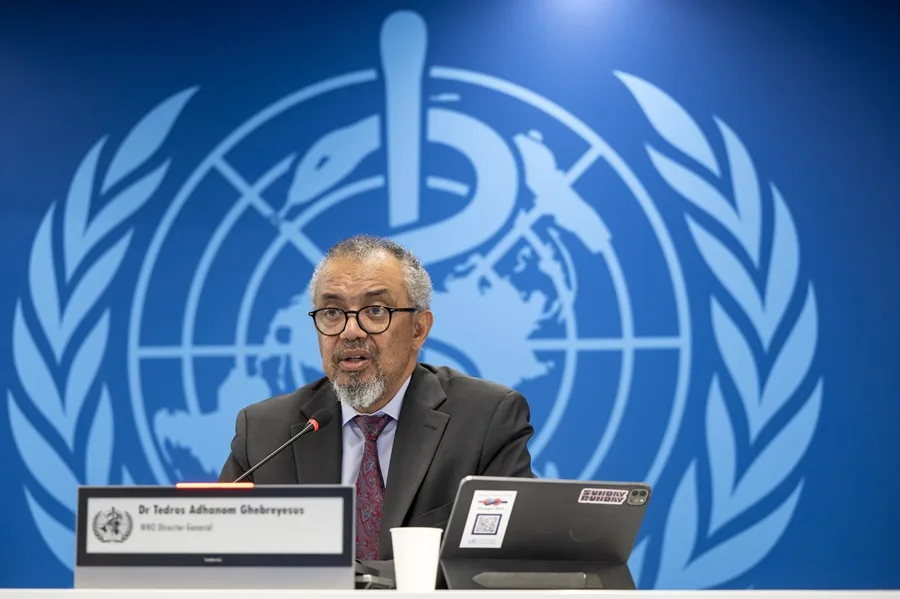
“Withdrawing from the WHO is a loss for the United States and the rest of the world,” said Tedros Adhanom Ghebreyesus, WHO Director-General.
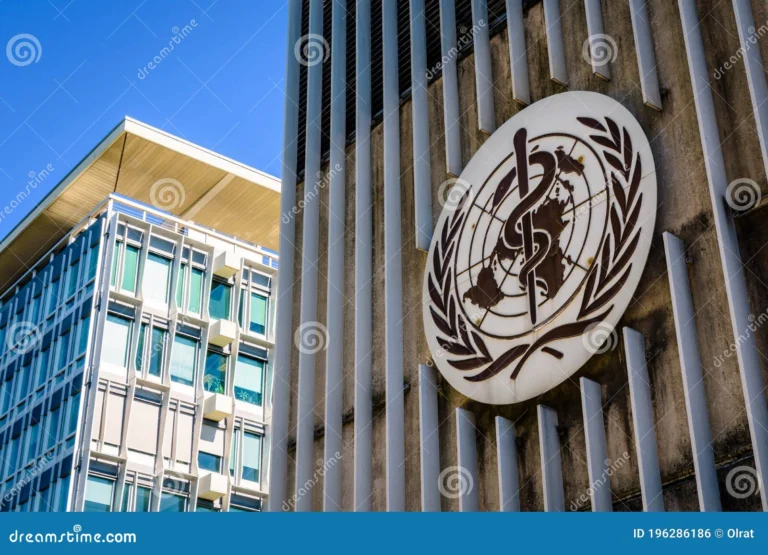
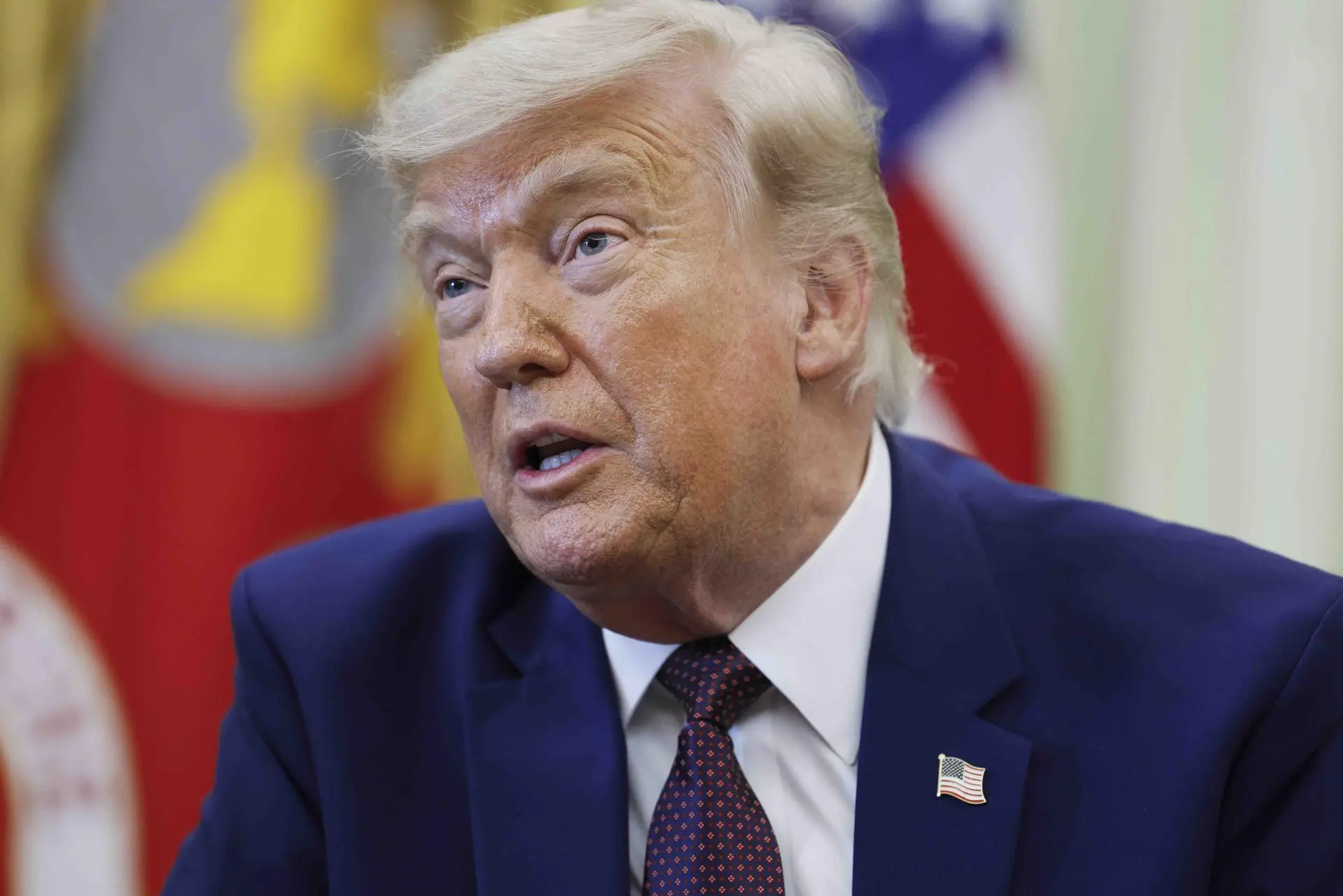
The decision to withdraw the U.S. from the United Nations health agency affects health programs and actions with global impact, including the U.S. population. Photo: EFE.
January 22, 2026 Hour: 10:37 pm
🔗 Comparte este artículo
The United States has formally completed its withdrawal from the World Health Organization (WHO), despite owing $260 million in dues for 2024 and 2025, and violating domestic legal provisions that require full payment of obligations before leaving.
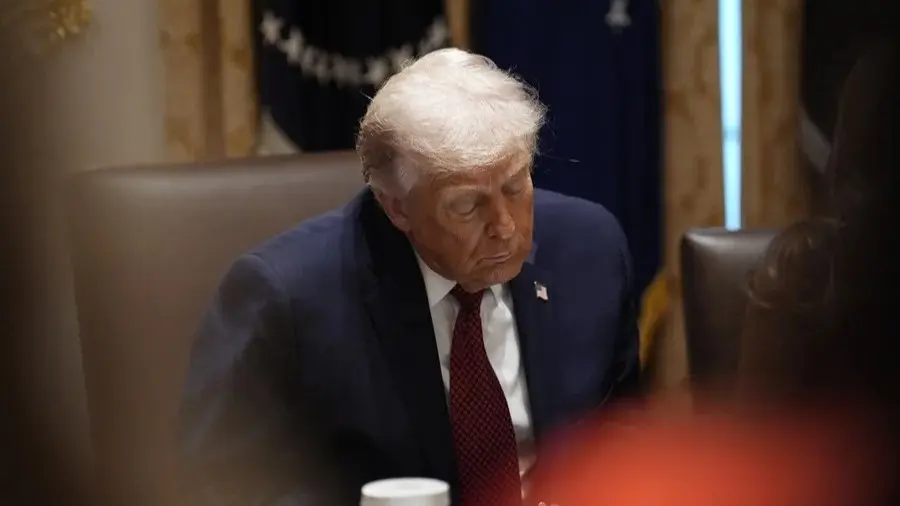
The move, announced by President Donald Trump on his first day in office in January 2025, was finalized this Thursday with the signing of an executive order titled “Withdrawal of the United States from the World Health Organization.”
RELATED:
The U.S. Withdraws From These 66 International Organizations
U.S. law stipulates a one-year notice period and the fulfillment of existing financial commitments before the country can leave the WHO, according to the 1948 joint resolution of Congress. However, official sources confirmed that Washington has not settled its debts, which has drawn legal criticism.
Lawrence Gostin, founding director of the O’Neill Institute for Global Health Law at Georgetown University, called the action “a clear violation of U.S. law.”
For its part, the Trump Administration has stated on several occasions that it does not intend to pay its dues for the 2024-2025 period, estimated to be between $260 and $280 million.
A State Department spokesperson justified the decision by arguing that the WHO had made “failures that cost the United States trillions of dollars.” The spokesperson added that “the American people have paid more than enough to this organization,” downplaying the $260 million debt as “insignificant” compared to the alleged historical losses.
The withdrawal is part of a broader policy by the Trump Administration, which includes the departure of 66 international organizations—31 affiliated with the UN and 35 independent—under the argument that they operate “in a manner contrary to U.S. national, security, economic prosperity, or sovereignty interests.”
In addition, the administration immediately suspended all future funding to the WHO and withdrew its staff from the organization.
Before its withdrawal, the United States was the WHO’s largest financial contributor, providing approximately 18% of its total budget. Its absence has triggered a budget crisis that has already led the agency to cut its leadership team in half and announce the elimination of around 25% of its staff by mid-2026, jeopardizing health programs and initiatives globally, including in the United States.
A surefire hit? A mistake for the future
Tedros Adhanom Ghebreyesus, WHO Director-General, expressed his concern. “Withdrawing from the WHO is a loss for the United States and the rest of the world,” he said, noting that for more than seven decades, cooperation between the two countries has saved “countless lives” and protected the American population from global health threats. While urging a reconsideration, he admitted that it is “very likely Trump will get his way.”
The move also disrupts critical programs, such as global polio eradication efforts, maternal and child health services in Africa, and global influenza surveillance systems, which are essential for the annual development of vaccines. In response, China announced a donation of $500 million over five years to mitigate the financial gap.
Furthermore, the withdrawal severely impacts healthcare in Palestine, where the WHO was coordinating medical services for more than 15,000 patients, including 4,000 children, who required urgent evacuation from Gaza.
Meanwhile, Washington has redirected its funding to new structures under its control, such as the National Committee for the Administration of Gaza, bypassing traditional UN channels.
The decision coincides with other unilateral actions by the US government, including its withdrawal from the Paris Agreement on climate change, signed on the same day in January 2025 through an executive order titled “Prioritizing the United States in International Environmental Agreements.”
Experts warn that these measures weaken multilateralism and could exacerbate global inequalities in health and the environment.
Kelly Henning of Bloomberg Philanthropies emphasized that the withdrawal “could weaken the systems and collaborations the world relies on to detect, prevent, and respond to health threats.”
Author: HGV
Source: Agencias