


The Gaza Strip: The Wounds Beneath the Truce
October 10, 2025 Hour: 1:49 pm
After two years of a military offensive by Israel deemed genocide and ethnocide, the enactment of a ceasefire and the subsequent peace plan are not a concession, but a triumph wrested from the enemy.
This advance comes despite the tens of thousands killed and wounded, despite the massacred children; it is a moral victory against the most brutal war machine of our time.
In this in-depth article, we will address the advances arising from the proposal, on September 29, of a peace plan for the Gaza Strip.
An agreement that was approved by the resistance group Hamas, which will allow progress towards a ceasefire, and the step-by-step development of a plan to end the genocide.
The Undeniable Victory: The People Return Despite the Terror
The celebration in Gaza is a mixture of relief and firmness. Those from various sectors who predicted the capitulation of the Palestinian people were wrong.
The Resistance forces acted with intelligence and diplomacy, forcing the US President himself, Donald Trump, to sit at the negotiating table to agree on the first phase of a deal.
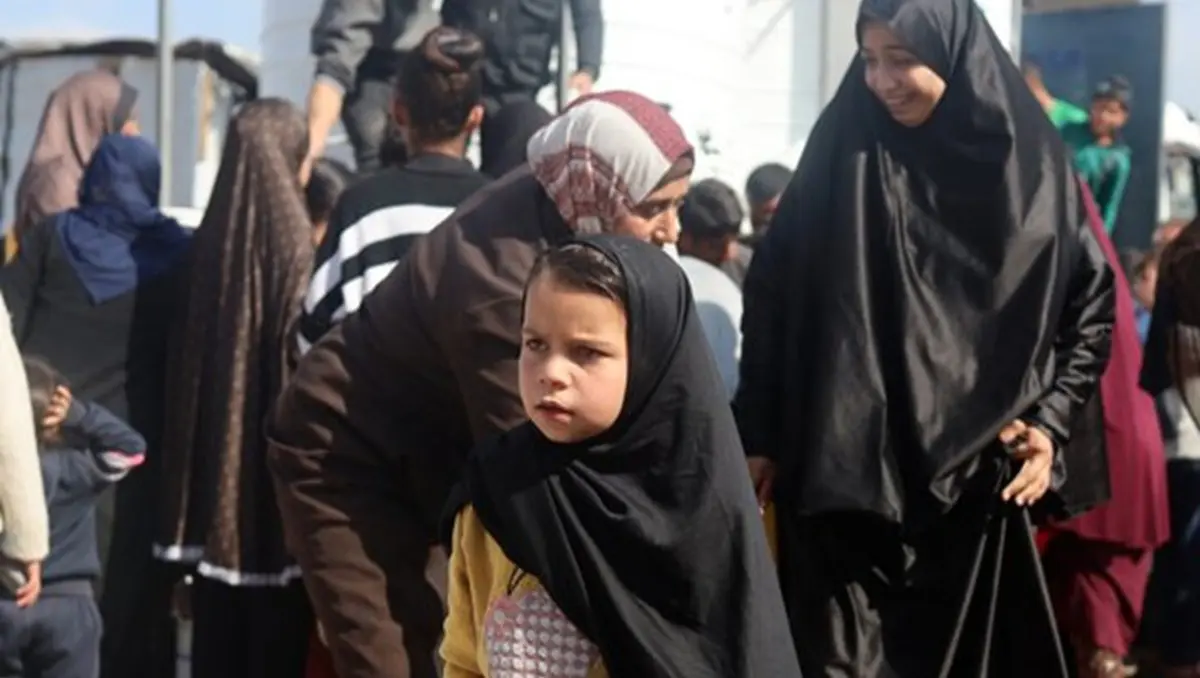
With the opening of the Strip’s highway, thousands of displaced Palestinians immediately mobilized north, towards Gaza City, marking the beginning of their return to their homes and neighborhoods.
This massive movement is not just a physical return, but a declaration that they will not abandon their land.
However, this joy is mixed with uncertainty. As reported by The Guardian from the overcrowded Al-Mawasi refugee camp, fear persists.
Abbas Hassouna, 64, summed it up: “When we see these things happening, only then will we really believe them. But for now, the fear remains. They could go back on it at any moment.” The history of broken truces is a ghost haunting the celebration.
The Immediate Relief: Crucial Humanitarian Aid
The agreement has triggered a humanitarian respite. The UNRWA Commissioner-General, Philippe Lazzarini, described the ceasefire as a “great relief” after two years of genocidal bombardment.
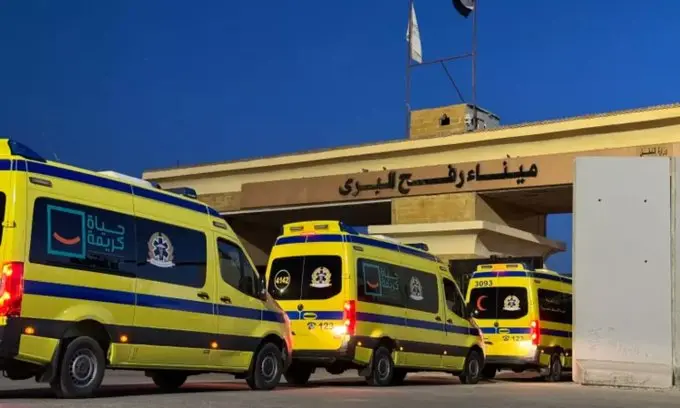
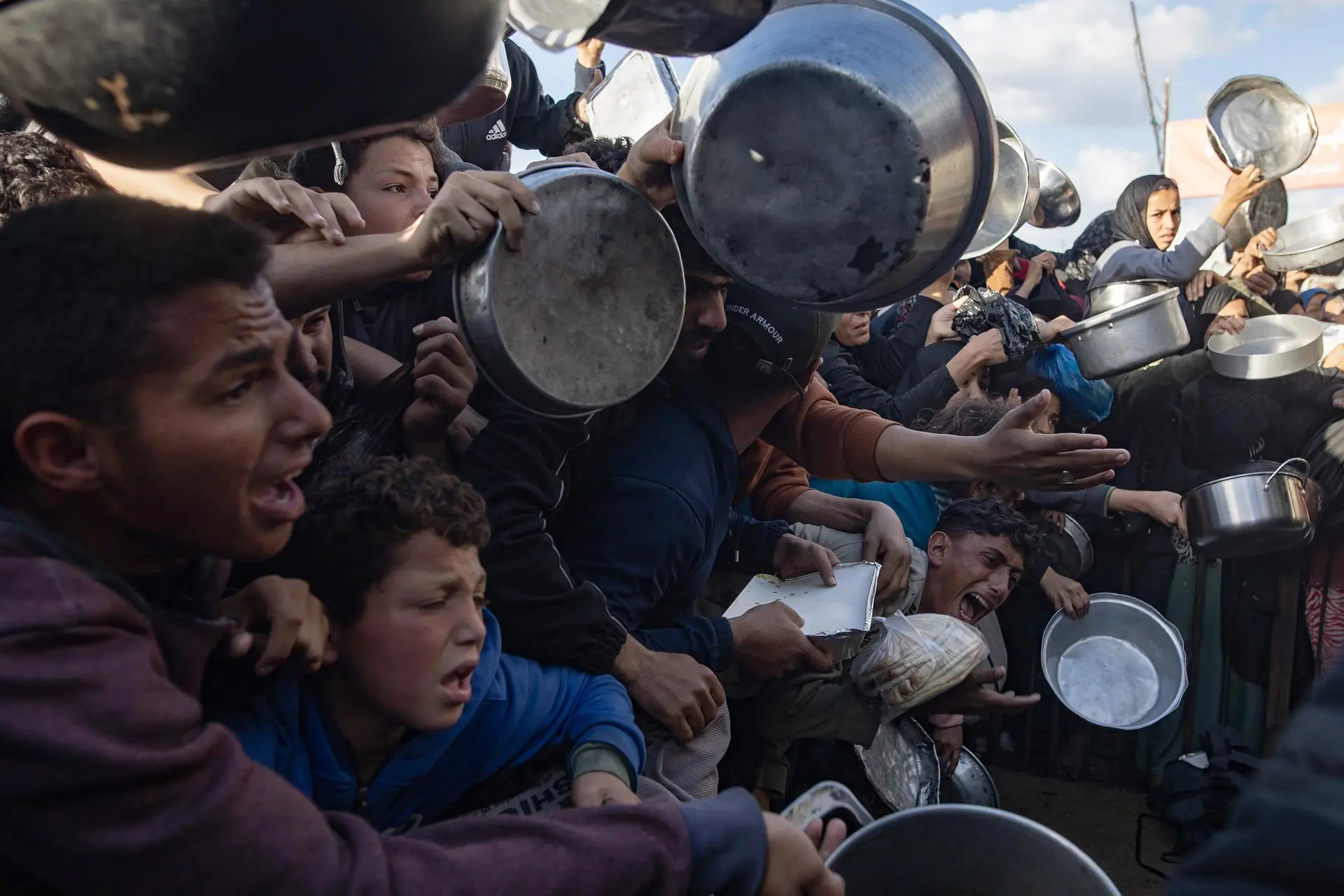
Aid agencies are preparing to “flood” the territory. UNRWA has confirmed it has food, medicine, and essential supplies ready, enough to feed the entire population for the next three months.
The urgent need for medical care, sanitation, and the restoration of destroyed education demands the immediate implementation of this aid.
Globally, the news even shook financial markets, pushing the price of WTI crude below $60 per barrel. The temporary removal of the “geopolitical risk” that was propping up prices evidences what the world knew: stability depended on stopping the aggression in Gaza.
The Core Criticism: There Will Be No Peace Without Justice
The crux of the problem is that the plan does not contemplate an end to the occupation or the apartheid regime.
Any peace solution that does not address the root of the conflict (the occupation, the apartheid regime, and the lack of justice) is doomed to failure or serves only as a temporary pause in the violence.
True and lasting peace in the region is unattainable as long as systemic violence persists.
Breakdown of the First Step: Partial Withdrawal and Permanent Control
The first phase of the agreement includes:
- Release of Hostages and Prisoner Exchange: Hamas will release 20 living hostages in exchange for Israel’s release of over two thousand Palestinian prisoners, including those sentenced to life imprisonment. This exchange, to be finalized within 72 hours, is a significant achievement for the Resistance in freeing its prisoners.
- Partial Withdrawal of Forces: Israel will withdraw the 188th Brigade and redeploy its occupation forces to the so-called “yellow line.” However, this means Israel will retain control over 53% of the territory. This is not a withdrawal, but a strategic redeployment that maintains the siege power and the capability to resume the conflict.
- Monitoring with US Presence: The agreement stipulates that up to 200 US personnel, already stationed at CENTCOM, along with international forces (Egypt, Qatar, Turkey), will monitor the agreement. This presence, though not directly in the enclave, raises alarms about US military and political interference to guarantee Tel Aviv’s interests.
Even with the ceasefire in effect, bombings have been reported in some areas, and tank shells have been fired to prevent Palestinians from returning to the north of Gaza. Commissioner Lazzarini warned that security guarantees are crucial, as attacks have resumed. This underscores the widespread distrust: “Fear and caution are stronger than ever,” as noted by Ola al-Nazli, a displaced person from the north.
The Geopolitical Chessboard: Divided Reactions
The agreement has provoked reactions that expose the fault lines in world politics:
- Russia (Putin): From Moscow, President Putin backed Trump’s initiative as a “historic event” if it manages to be implemented. However, he stressed that the most important issue is the establishment of a Palestinian state and offered to participate as a mediator.
- China: Foreign Ministry spokesman Guo Jiakun reiterated that China “advocates for the principle of ‘Palestine being governed by the Palestinians’ and promotes the implementation of the ‘two-state solution’,” aligning itself with international law.
- Iran and the Axis of Resistance: Aliakbar Velayati, an advisor to Khamenei, cautiously welcomed the agreement, stating support for “any initiative that ends the genocide in Gaza, entails the complete withdrawal of Israeli forces, and allows the entry of humanitarian aid.” It is anticipated that the ceasefire in Gaza could mean the end of hostilities with Resistance allies like Iraq, Yemen, and Lebanon.
- United States and Israel: President Trump celebrated the proximity of a “comprehensive ceasefire agreement” as “the first steps towards a strong, lasting, and eternal peace.” Prime Minister Netanyahu reiterated his hope that “we will bring everyone home,” referring to the hostages. His rhetoric, however, contrasts with the territorial control Israel will maintain and the continuing reports of violence.
Justice and Reconstruction, the Only Way
The ceasefire is a strategic victory for the Palestinian resistance movement that alleviated the immediate suffering of the Gazan population.
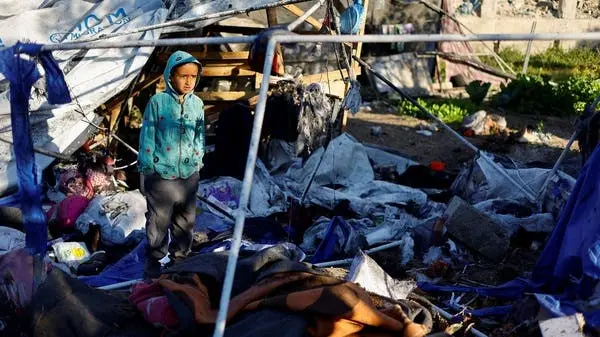
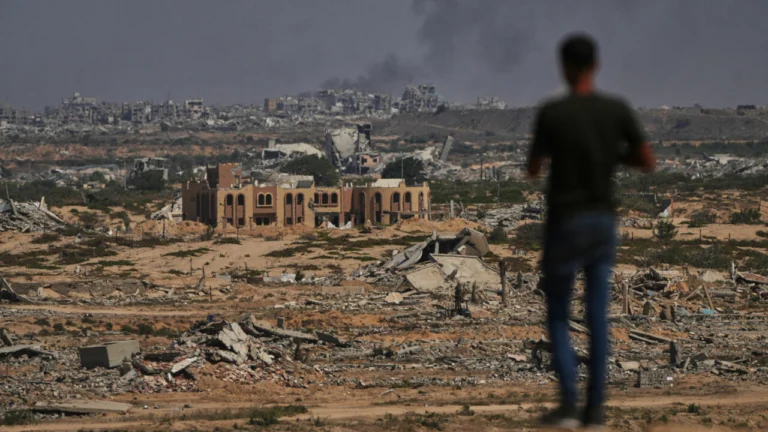
However, this truce must not be confused with peace. The rubble of the Gaza Strip is the monument to two years of aggression, where over 90% of homes have been damaged or destroyed.
Real peace demands the total end of the occupation, the complete lifting of the siege, reconstruction by its people and residents, and the return of families to their homes as they were before this war.
Author: Silvana Solano
Source: TeleSur