


Spain Activates MV Hondius Cruise Repatriation Operation
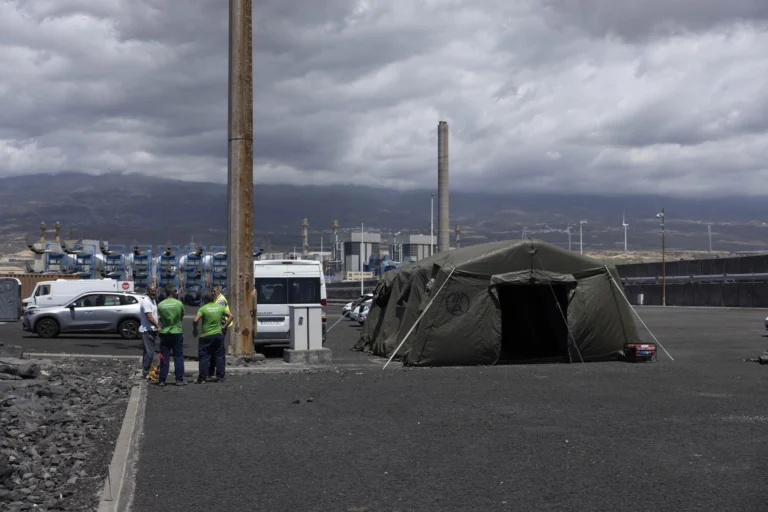
The command post was installed this Friday in the port of Granadilla for the arrival of the MV Hondius cruise ship. Photo: EFE.
May 8, 2026 Hour: 7:38 pm
🔗 Comparte este artículo
The Spanish Government, collaborating with the World Health Organization and 22 countries, launched an unprecedented sanitary operation to receive the MV Hondius cruise ship next Sunday, for passenger repatriation and isolation under strict biosecurity measures.
This intricate plan orchestrates the immediate repatriation of all foreign nationals and implements strict isolation protocols for Spanish citizens on board.
The operation ensures maximum biosecurity guarantees, preventing any contact between passengers and the local population while managing a complex global health challenge.
RELATED: No Global Pandemic: W.H.O. Addresses Hantavirus Cases on Board Ship
Sanitary Bubble’s Coordination
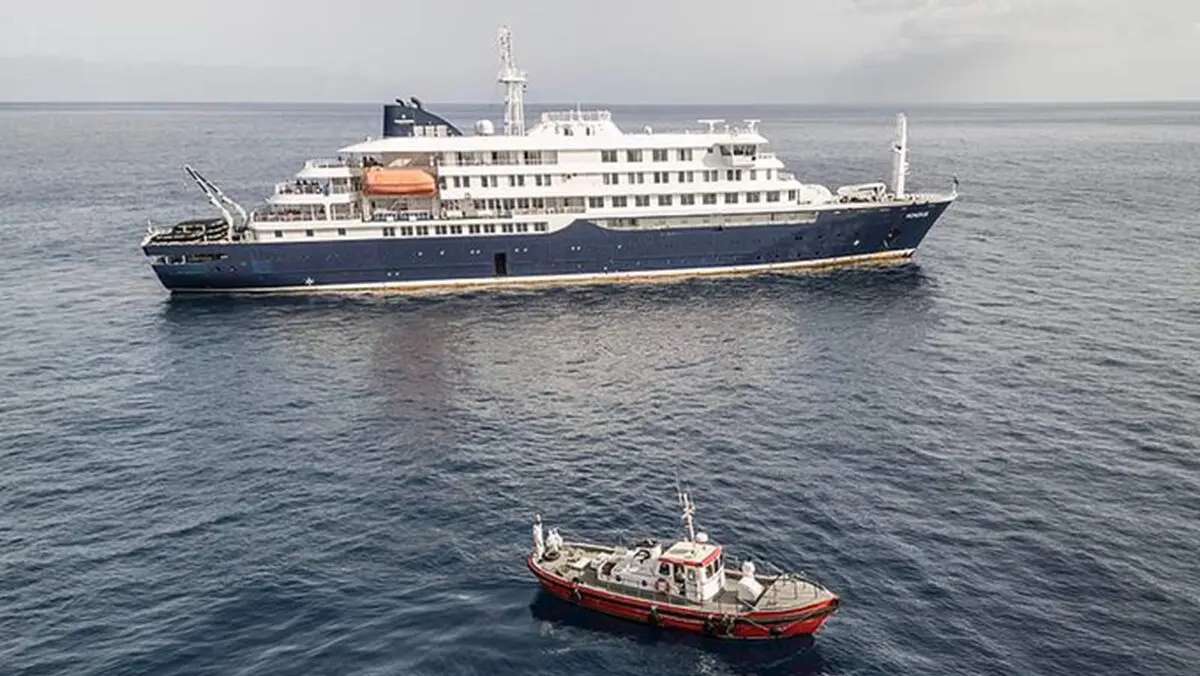
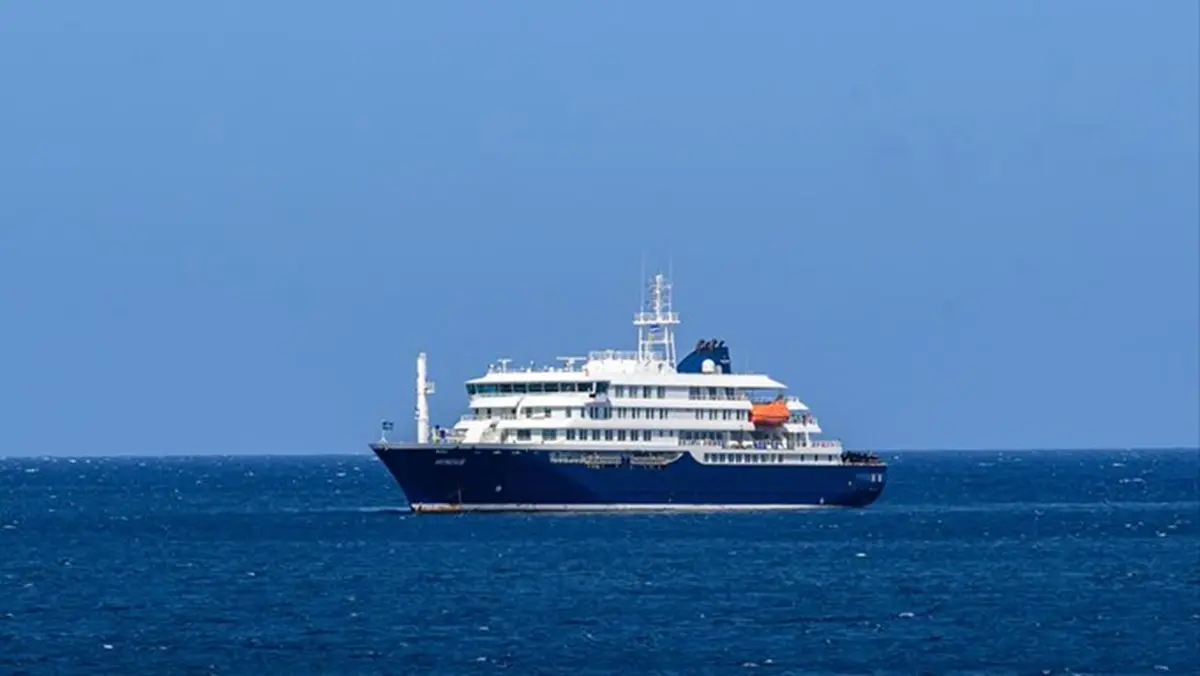
The disembarkation process will utilize a meticulous “sanitary bubble” logistics system designed to minimize all potential health risks. The MV Hondius will not dock at the port of Granadilla but will remain anchored in its waters. Passengers will transfer to shore using fast boats, with a strict limit of five persons per trip, and then be directly transported in escorted buses to the tarmac of Tenerife South Airport.
As explained by Spanish Civil Protection, travelers will only exit their vehicles once their respective planes-some of which are specially medicalized- are fully prepared for immediate takeoff, ensuring a controlled and isolated transit.
Text reads: “The General Secretary of @civil protectionism, Virginia Barcones, on the evacuation of MV Hondius: “The passenger and crew of the cruise will be isolated, without contact with the Canarian population. There will be no possibility of contagion.”
The European Union, leveraging its Civil Protection system, is managing the return of citizens from several member states including Germany, France, Greece, the Netherlands, Belgium, Poland, Portugal and Ireland. Additionally, countries adhering to the mechanism, such as Türkiye, Montenegro and Ukraine, are involved. The United States and Great Britain have already dispatched their own aircraft to collect their respective nationals.
In the event that any repatriation agreement does not materialize, remaining passengers will be ultimately transferred to the Netherlands, which is the vessel’s flag country, underscoring the robust network of international agreements governing such complex logistics.
For the 14 Spanish citizens on board, a mandatory quarantine protocol has been established at the Gómez Ulla Central Defense Hospital in Madrid. This specialized facility, equipped with high-level isolation units, will administer Polymerase Chain Reaction (PCR) tests upon the individuals’ arrival and again after seven days, maintaining rigorous active surveillance through constant temperature registration.
Although the W.H.O. assessed the risk to the Canarian population as “low”, the entire operation mandates the use of comprehensive protective suits for all involved workers and evacuated individuals. Pedro Gullón, the Director General of Public Health, indicated that a thorough inspection will be conducted before disembarkation to detect “any new persons who may have had symptoms.”
To date, the MV Hondius crisis has regrettably resulted in three fatalities, whose remains will also be evacuated under specific mortuary protocols. Furthermore, four passengers currently exhibit symptoms of varying intensity, necessitating continued medical observation and care as part of the overarching health response.
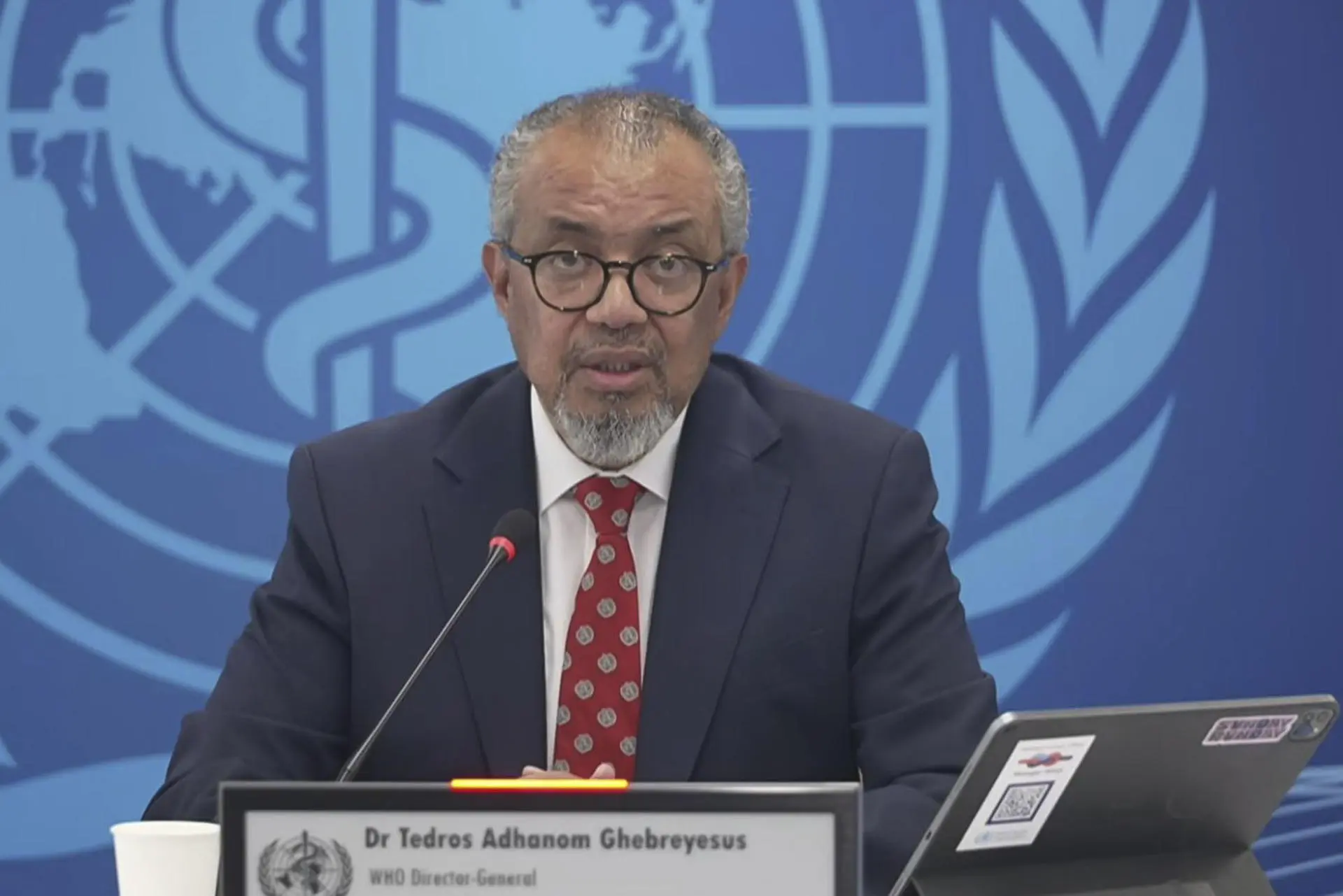
Abdirahman Sheikh Mahamud, a representative of the W.H.O., emphasized the critical importance of applying lessons learned from Argentina concerning contact tracing strategies. This knowledge is vital for effectively “breaking the chain of transmission” within the confined environment of a cruise ship.
Such a comprehensive, multi-national response not only demonstrates the critical importance of international solidarity but also showcases highly coordinated public health strategies in confronting emergent global challenges that transcend national borders, ensuring the safety and well-being of all affected individuals and communities.
Author: Laura V. Mor
Source: Agencies / W.H.O.