







Police Repression Intensifies in Ecuador as Protests Against Noboa Leave One Dead, One Critical
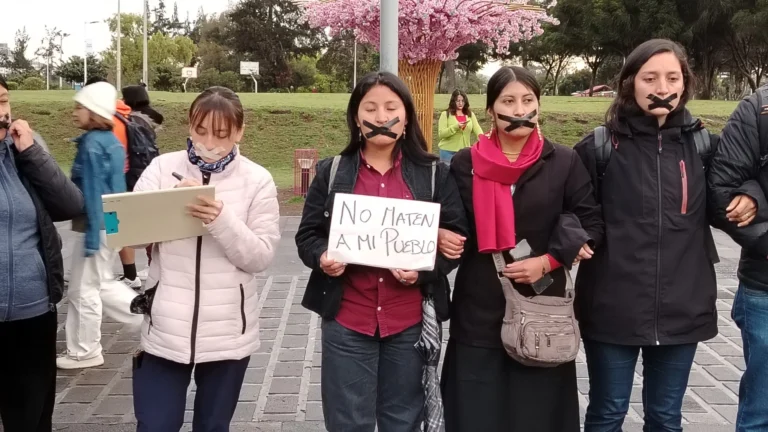
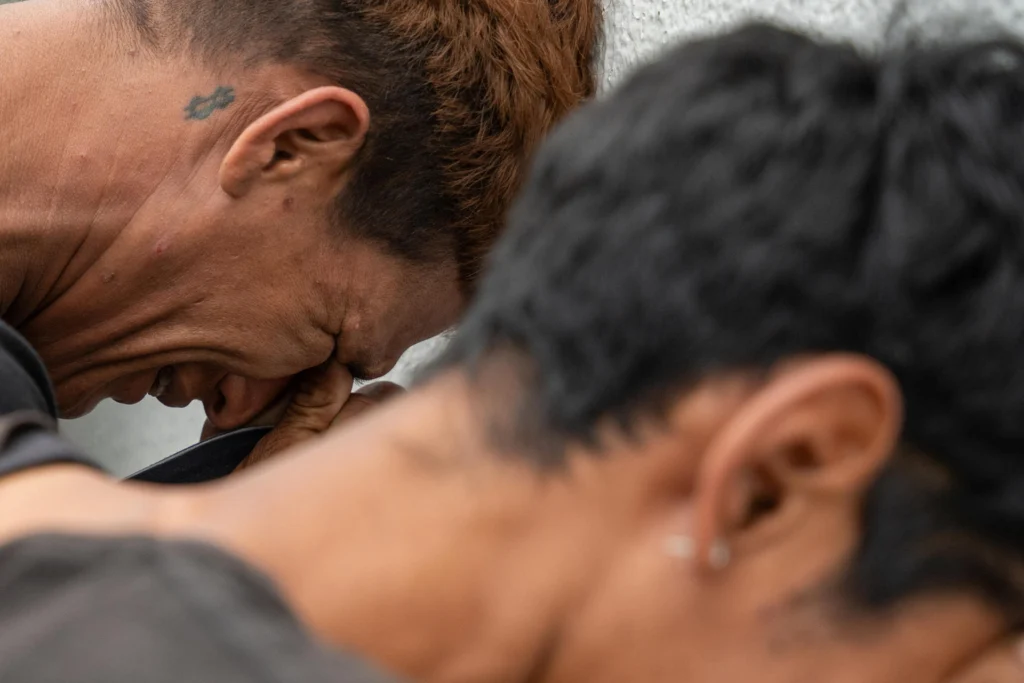
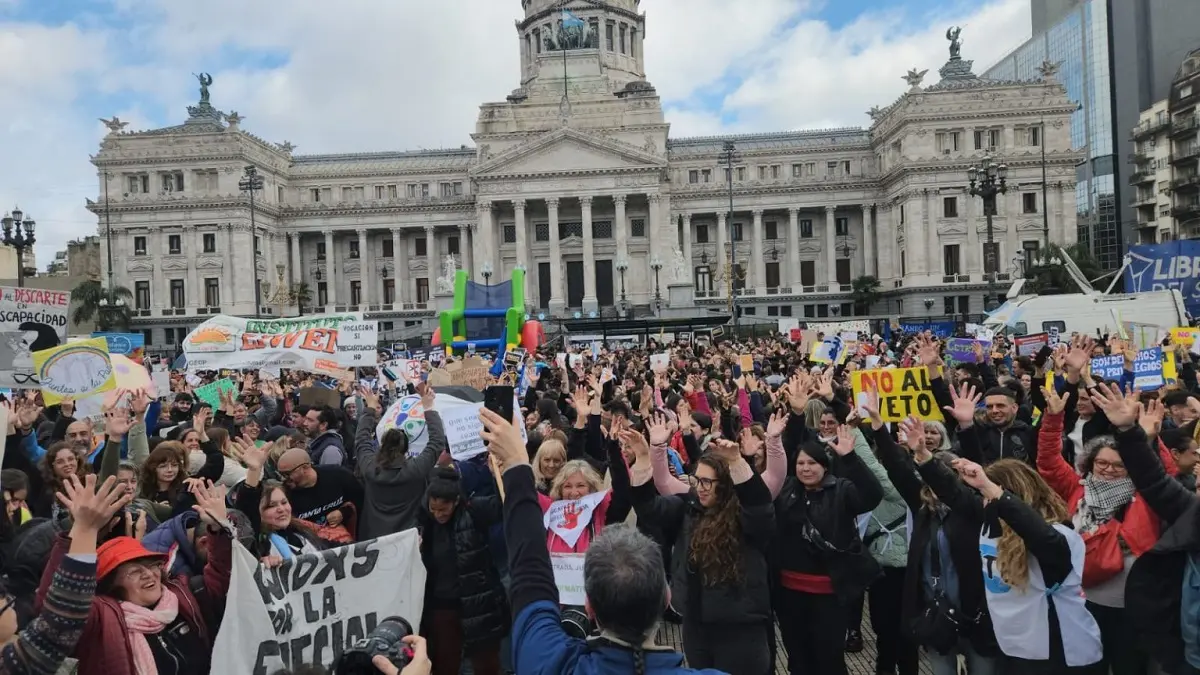
(FILE) A vigil of pain and silence is taking place in the La Carolina area to protest President Daniel Noboa’s administration amid police repression of the national strike. Photo: INREDH.
October 15, 2025 Hour: 3:23 am
🔗 Comparte este artículo
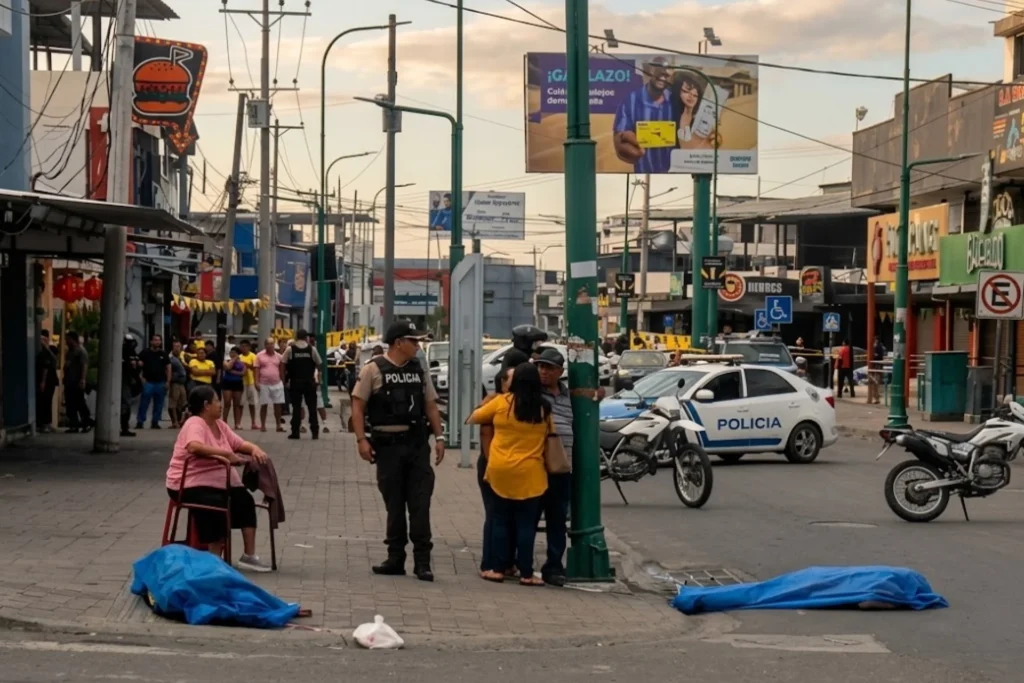
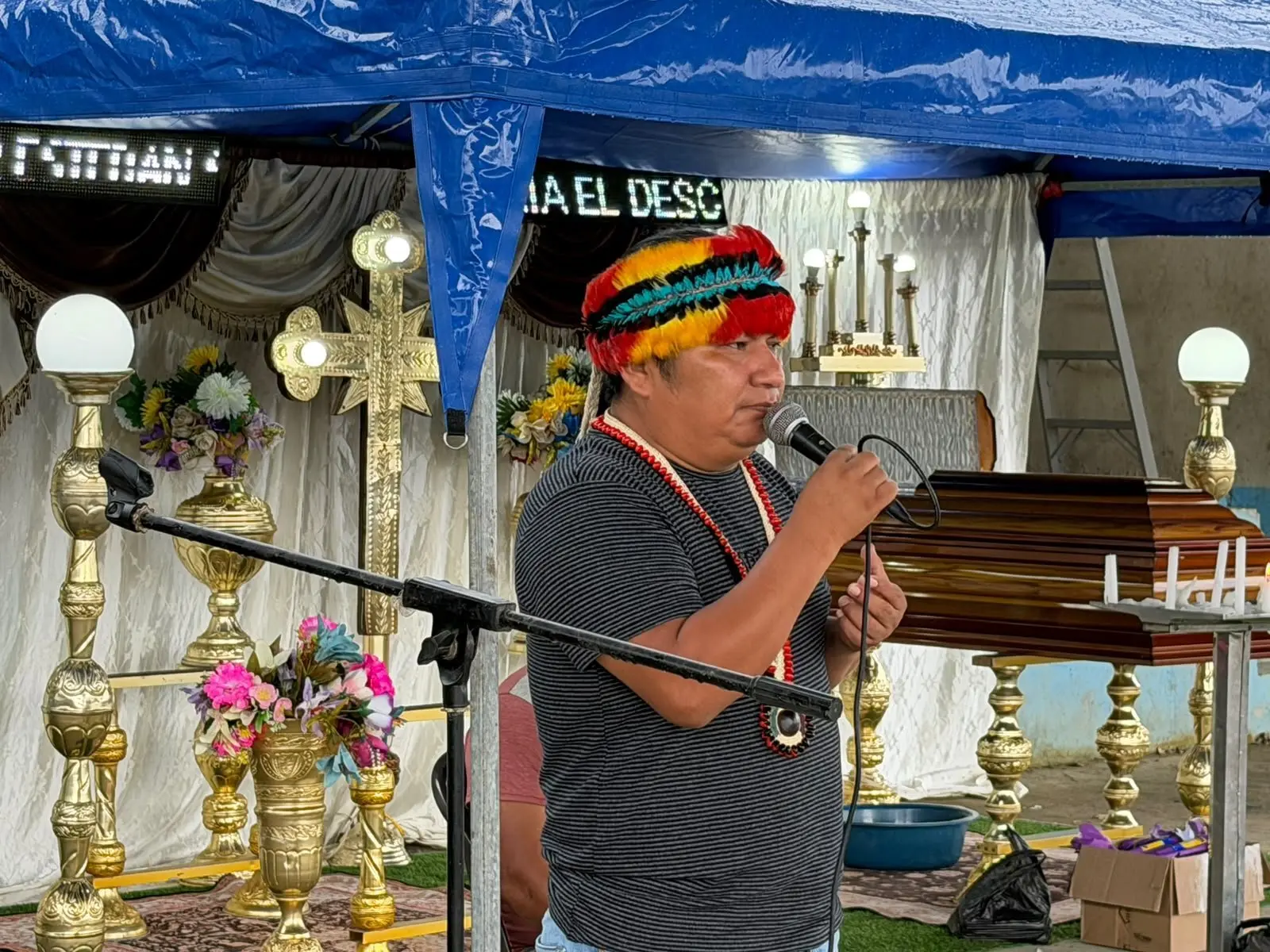
The national strike in Ecuador has left another civilian dead and another gravely injured due to state repression today. The hospitalized person, 30-year-old farmer José Guamán, was initially declared dead before later showing signs of life and being taken to the ICU following Tuesday’s crackdown in the province of Imbabura. Meanwhile, Rosa Paqui Seraquive, an elderly woman from the Kichwa Saraguro community, allegedly died from asphyxiation caused by the excessive use of tear gas in Indigenous territories.
Police repression has also intensified in Imbabura and Otavalo, according to reports from the Regional Foundation for Advisory on Human Rights (Inredh) and Ecuador’s largest social organization, the Confederation of Indigenous Nationalities of Ecuador (CONAIE).
CONAIE reported on social media that “a wave of people with gunshot wounds, many in critical condition, is overwhelming local hospitals in Otavalo,” citing “videos and testimonies clearly showing soldiers firing at civilians in residential areas” as verifiable sources.
In a statement, the organization said that “Daniel Noboa’s government has turned our communities into war zones, using tear gas, bullets, and indiscriminate violence against a people exercising their constitutional right to protest.”
“Twenty-three days after the national strike called by CONAIE began, reports of repression and criminalization against Indigenous peoples have exposed deep-rooted structural racism embedded in the country’s political, media, and social power,” correspondent Elena Rodríguez wrote on her X account. “From stigmatizing statements by authorities to acts of cultural humiliation—such as the forced cutting of Kichwa youths’ hair—the response to Indigenous protests continues to be treated not as a democratic right but as a threat.”
The protests against President Daniel Noboa’s administration began in response to the elimination of diesel subsidies—a policy that sharply increased fuel prices and hit working-class and rural communities the hardest. What started as economic discontent has quickly grown into a broader social and political uprising.
Demonstrators are now demanding a rollback of the Value-Added Tax (VAT) from 15% to 12%, greater investment in public health and education, opposition to the government-backed proposal for a Constituent Assembly, and guarantees for the protection of Indigenous lands from extractive industries. Much of the mobilization is concentrated in the Sierra and Amazon regions, long-standing centers of resistance to state neglect and environmental exploitation.
Author: vmmh
Source: agencies