







Petro Rejects Trump Interference in Colombia Vote
Petro accused Trump of interfering in Colombia’s electoral process after the U.S. president publicly backed candidate Abelardo de la Espriella.
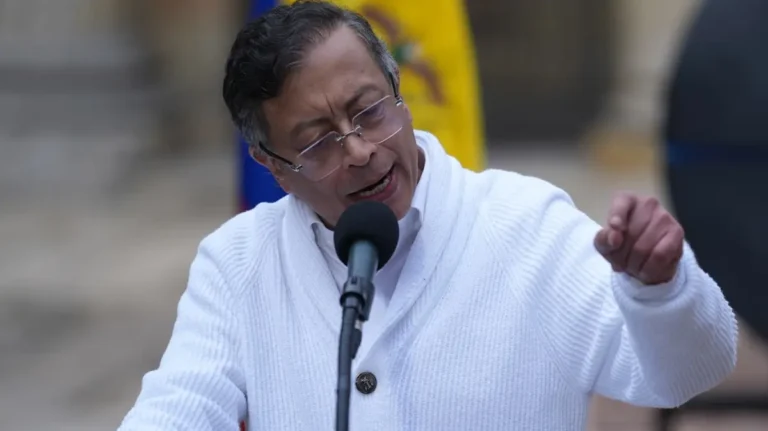
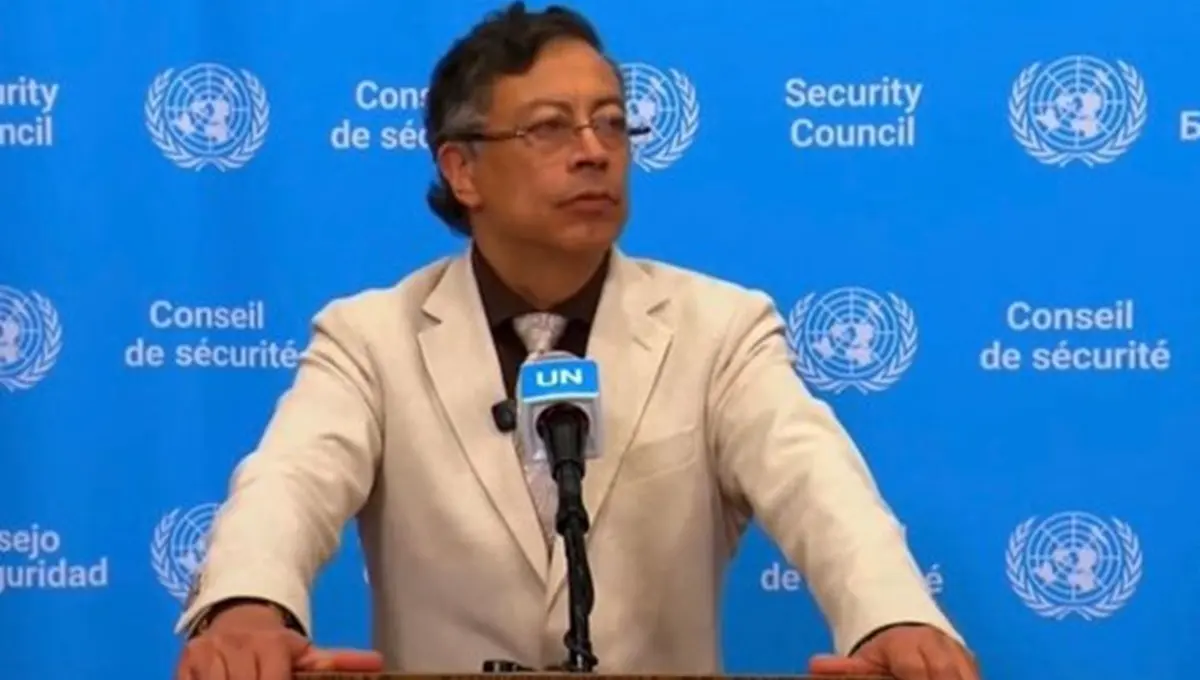
Colombian President Gustavo Petro criticized what he described as U.S. interference in Colombia’s presidential election after Donald Trump endorsed a candidate ahead of the runoff vote. Photo: EFE
June 11, 2026 Hour: 1:01 am
🔗 Comparte este artículo
Colombian president says foreign involvement in electoral campaigns is prohibited under the country’s Constitution.
Colombian President Gustavo Petro on Wednesday urged U.S. President Donald Trump not to interfere in Colombia’s presidential election after Trump publicly expressed support for right-wing candidate Abelardo de la Espriella ahead of the June 21 runoff vote.
RELATED: Colombian Parliamentary Document to Suspend President Petro Lacks Legal Value
The exchange followed a statement by Trump saying Colombia would receive the “full support and strength” of the United States if De la Espriella defeats Historic Pact candidate Iván Cepeda in the second round of the presidential election.
In a post on X, Petro reminded Trump that Colombia’s Constitution prohibits foreign funding and support in electoral campaigns.
“I inform President Donald Trump that Colombia’s Constitution prohibits foreign support and foreign money,” Petro wrote.
The Colombian leader also referred to the use of artificial intelligence in election campaigns and warned against attempts to influence voters through foreign-backed operations.
Text Reads: And what if in the US elections another way of thinking wins? Relations between countries should not be built on ephemeral ideologies, but on permanent pacts for Life and Liberty, as I proposed to President Donald Trump, in front of the portrait of Abraham Lincoln and the beautiful rose garden designed by President Trump. President Donald Trump was informed that the Constitution of Colombia prohibits foreign support and funding.
“It is a crime in Colombia for foreign funds to attempt to modify the free opinion of Colombian identity through large campaigns using artificial intelligence, transforming lies into truth, and it is prohibited to finance, even as has lamentably become a tradition in Colombia due to drug trafficking and corruption: the buying of votes.” Petro said.
Trump made his remarks on Truth Social, arguing that the outcome of the election would be decisive for Colombia’s future and its relationship with Washington. He stated that if De la Espriella wins, Colombia would have the backing of the United States due to the candidate’s “competence and love for his country.”
Responding to the comments, Petro said relations between countries should be built on lasting agreements rather than temporary ideological alignments.
He recalled proposing such an approach to Trump during a previous meeting, stating that bilateral relations should be based on “pacts for life and freedom” rather than shifting political currents.
Petro also questioned the implications of linking interstate relations to a specific electoral outcome.
“And what happens if a different way of thinking wins elections in the United States?” he asked.
The Colombian president further raised questions about whether a senior U.S. official might have an interest in acquiring a gold mine in the department of Cauca.
“Let us ask whether a senior U.S. official, leading the U.S. government to violate Colombia’s Constitution, has an interest in obtaining a gold mine in the department of Cauca, Colombia,” he wrote.
Petro stressed that his constitutional duty is to safeguard Colombia’s sovereignty, freedoms and democratic rights.
“My constitutional duty is to defend Colombia’s sovereignty, its freedom, and the rights and freedoms of all its people,” he stated.
He added that Colombia’s more than two centuries of relations with the United States would continue regardless of the election’s outcome, emphasizing that the friendship between the two countries transcends political differences.
Petro also highlighted his government’s record on coca cultivation, stating that Colombia had halted the expansion of coca leaf cultivation areas, which had doubled during the administration of former President Iván Duque, and had subsequently reduced those areas by 13,000 hectares.
The public dispute reflects the sharply contrasting positions advanced by the two presidential candidates ahead of the June 21 runoff election. De la Espriella has donated thousands of dollars to Republican Party campaigns in the United States in recent years, while Cepeda has campaigned on anti-corruption measures, environmental protection and the defense of Colombian sovereignty.
Author: MK
Source: @petrogustavo / Agencies