







New Housing Law in Cuba Expands Rights and Eases Access to Housing
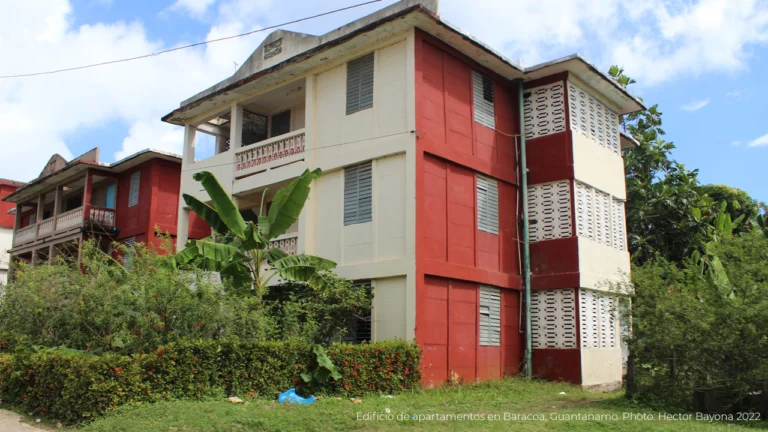
The new legislation represents an update to Cuba’s legal framework for housing; it recognizes expanded property rights, broadens options for the transfer and management of real estate, and maintains the protection of vulnerable populations as a central pillar.
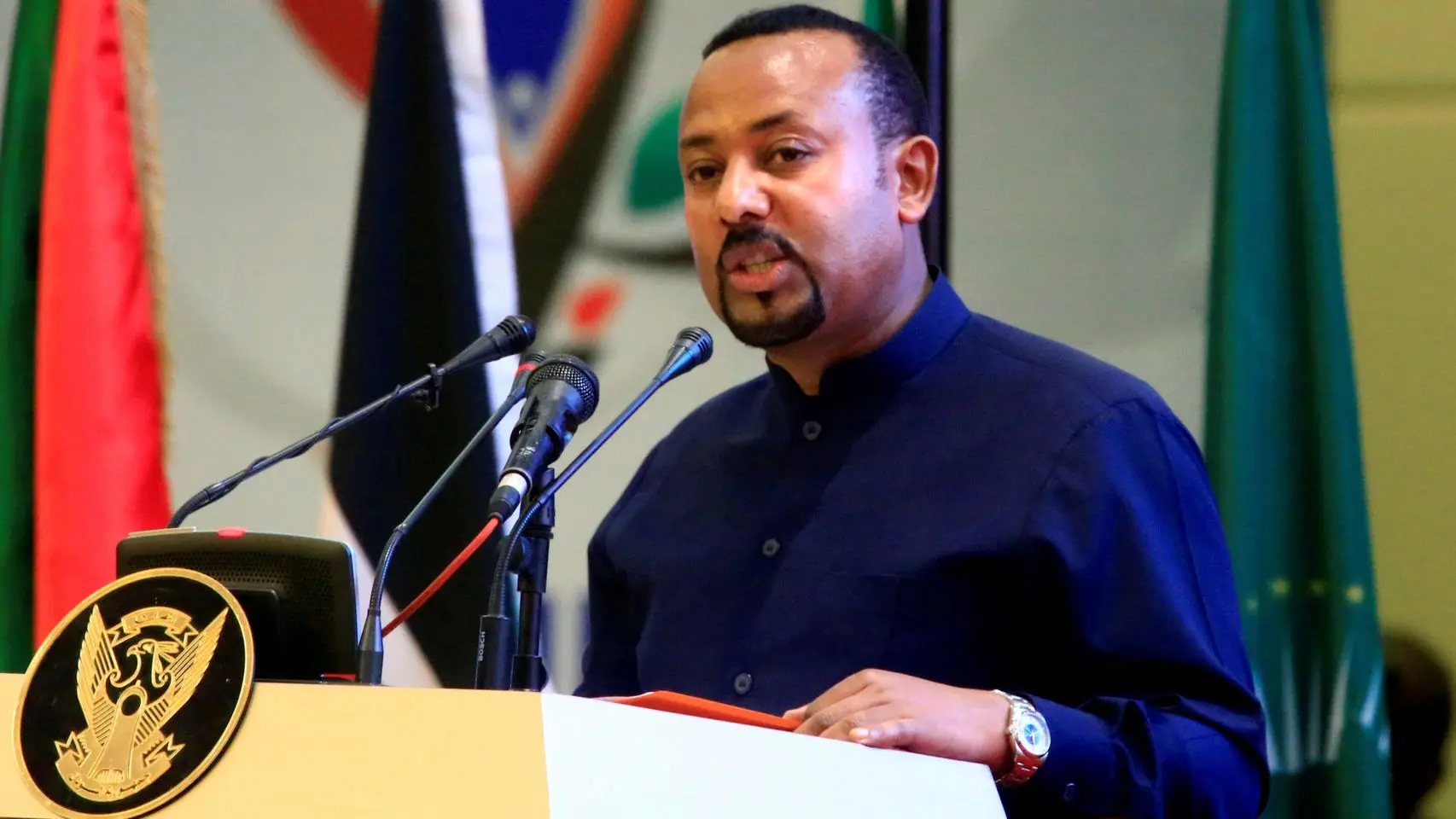
Cuban authorities presented a new Housing Law. Photo: ACN
October 14, 2026 Hour: 3:34 pm
🔗 Comparte este artículo
Housing Law 187, published this Wednesday in the Ordinary Official Gazette No. 86, expands property rights in Cuba and diversifies mechanisms for building, financing, and accessing housing, with measures aimed at protecting vulnerable individuals.
RELATED:
INNOVA 2026: Youth-Led Science Weaving Cuba’s Future
The new regulation is part of the economic and social transformations approved in the country and will enter into force seven days after its publication. Its release coincides with the 66th anniversary of the Urban Reform Law—a pioneering measure in the sector—which aimed to transfer home ownership to the families living in them, prohibit evictions, and guarantee a home for every citizen.
At a press conference, Marvelis Velázquez Reyes, Director of Legal Housing Affairs at the Ministry of Construction, explained that individuals may own up to two homes. This provision extends to foreigners, who will have the same rights and responsibilities in this regard as Cuban citizens.
The official detailed that property owners may grant the use of their home free of charge via a loan agreement, transfer rooms or part of the built structure to an adjoining property owner, and transfer their residence to individuals or legal entities through donation, among other flexible options.
Administrative authorization is also no longer required to transfer—whether for a fee or free of charge—partial or total ownership of rooftop space for the purpose of expanding or constructing living areas, nor for the transfer of privately owned vacant lots.
The text reads, “New Housing Law: more rights and new management models. With this legislation, #Cuba has a comprehensive legal framework that seeks to make the right to adequate housing a reality.”
Key aspects of Law 187 include the elimination of housing confiscation due to emigration and the guarantee of inheritance rights. Furthermore, in purchase-and-sale agreements, the parties may agree on as many terms, clauses, and conditions as they wish, provided they do not violate legal provisions, social order, or the nature of the contract itself.
The regulations establish that the Municipal Administration Council may finance the cost—or a portion thereof—of housing built and allocated to vulnerable individuals unable to afford it. In this way, the law reinforces the protective approach toward sectors facing the greatest difficulty in accessing adequate housing.
Law 187 introduces real estate agencies and housing cooperatives as new, fully guaranteed management models. These modalities aim to diversify participation in the production, maintenance, and management of the housing stock, in line with the country’s economic transformations.
The regulation also reaffirms the State’s responsibility for developing construction programs designed to address the housing shortage. According to authorities, the law governs the production, quality, financing, distribution, access, use, maintenance, and transfer of housing.
The publication of Housing Law 187 is accompanied by General Regulations, as well as specific rules regarding horizontal property ownership and housing cooperatives.
Author: HGV/JF
Source: Fiscalía de Cuba