







3 Urgent Facts on Migrant Rights in the US as UN Presses Washington
migrant rights in the US protest after ICE death
July 26, 2026 Hour: 1:18 pm
🔗 Comparte este artículo
Migrant rights in the US face scrutiny after deadly ICE cases, as the UN and Mexico demand accountability, justice, and stronger protections.
Related: The Impact of Venezuela Mexico Aid on Earthquake Relief Operations
Migrant rights in the US are under intense international scrutiny after the United Nations called on Washington to respect the rule of law amid repeated deaths of migrants during immigration enforcement operations. The appeal came as Mexico escalated its legal response to the deaths of its citizens in ICE custody and during arrests, including the fatal shooting of a Mexican national in Houston.
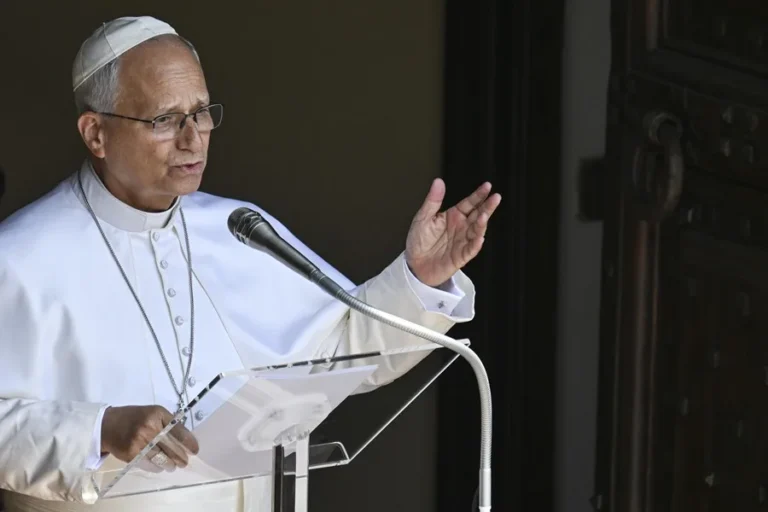
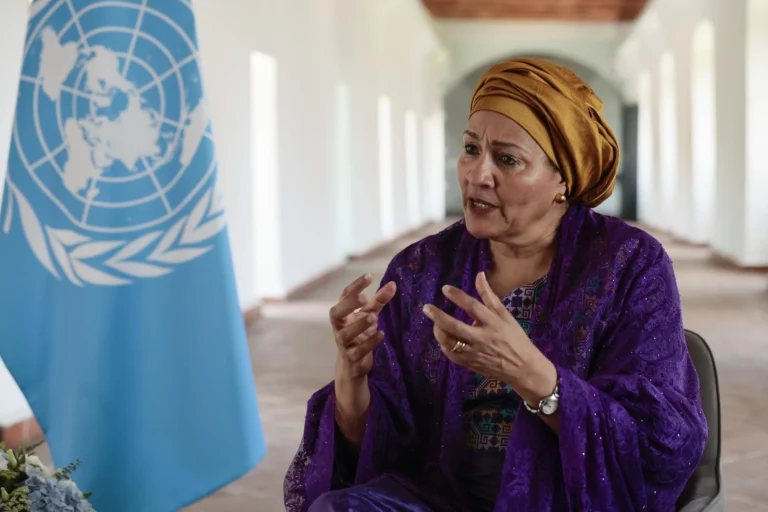
UN Deputy Secretary-General Amina Mohammed raised the issue during an official visit to Mexico City, warning that authorities in the United States must uphold human dignity, due process, and the rights of vulnerable communities. Her remarks added weight to growing criticism of the Trump administration’s immigration crackdown and the wider treatment of migrants inside the country.
Migrant rights in the US and the UN alarm
The UN’s intervention reflects mounting concern over what rights advocates describe as a pattern of deadly enforcement, weak oversight, and limited accountability. The issue became more urgent after the death of Lorenzo Salgado Araujo, a 52-year-old Mexican citizen who was shot by an Immigration and Customs Enforcement officer in Houston.
According to reports cited in the article and in recent international coverage, the shooting sparked public outrage in Mexico and reopened debate over the use of force in immigration operations. The case has also become a symbol of the broader crisis facing migrant rights in the US, particularly among workers, detainees, and families with mixed immigration status.
UN High Commissioner for Human Rights Volker Türk had already warned in June that deaths in US immigration custody must be investigated and that the rights to truth, justice, and reparations must be upheld. In his statement, he called for stronger independent oversight of the detention system and criticized the lack of transparency surrounding detainee deaths and transfers.
The article places that warning in a wider context: 18 people died in ICE detention in the first five months of the year, according to UN-cited ICE data, with the number rising as the federal enforcement campaign expanded. The UN also noted allegations of excessive force and poor conditions in detention centers, making migrant safety a pressing human-rights concern.
Mexico’s legal escalation
Mexico has moved beyond diplomatic protests and into the legal arena. The government announced that it would pursue criminal complaints in the United States over the deaths of Mexican citizens in ICE custody and during enforcement actions, while also seeking civil action against private detention companies.
This escalation followed the death toll cited by Mexico: 17 Mexican nationals, including 14 who died in ICE custody and three killed during arrest operations. The foreign ministry said it had already sent multiple diplomatic letters to Washington without obtaining a satisfactory response.
One of those letters was directed to the UN High Commissioner for Human Rights, asking the office to gather information from US authorities, evaluate the cases under international human-rights obligations, and refer them to the relevant procedures of the Human Rights Council. That move turned migrant rights in the US into an issue with both bilateral and multilateral dimensions.
Mexican officials say the goal is not symbolic. They want prosecutors in US states and counties to examine whether deaths that occurred under unclear circumstances amount to homicides, abuse, or rights violations. The foreign ministry also sent cease-and-desist letters to detention centers where Mexican nationals had died, signaling a more confrontational legal strategy.
President Claudia Sheinbaum has made the issue a political priority. She said Mexico could not ignore the deaths of its citizens and called for immediate action against the criminalization of working families whose labor helps sustain regional economies.
The Houston killing and public backlash
The Houston shooting of Lorenzo Salgado Araujo became the flashpoint that pushed Mexico to escalate its response. ICE said the officer fired after the driver allegedly tried to ram a vehicle and flee during a targeted operation, but the case has drawn scrutiny because witnesses and later reports raised questions about the official account.
According to recent coverage, the shooting occurred during an early-morning enforcement action in Houston’s East End. Salgado Araujo was reportedly on his way to work when agents stopped him. Family members said he had been trying to build a future in the United States, and advocates argued that the case reflected the dangers of aggressive immigration policing.
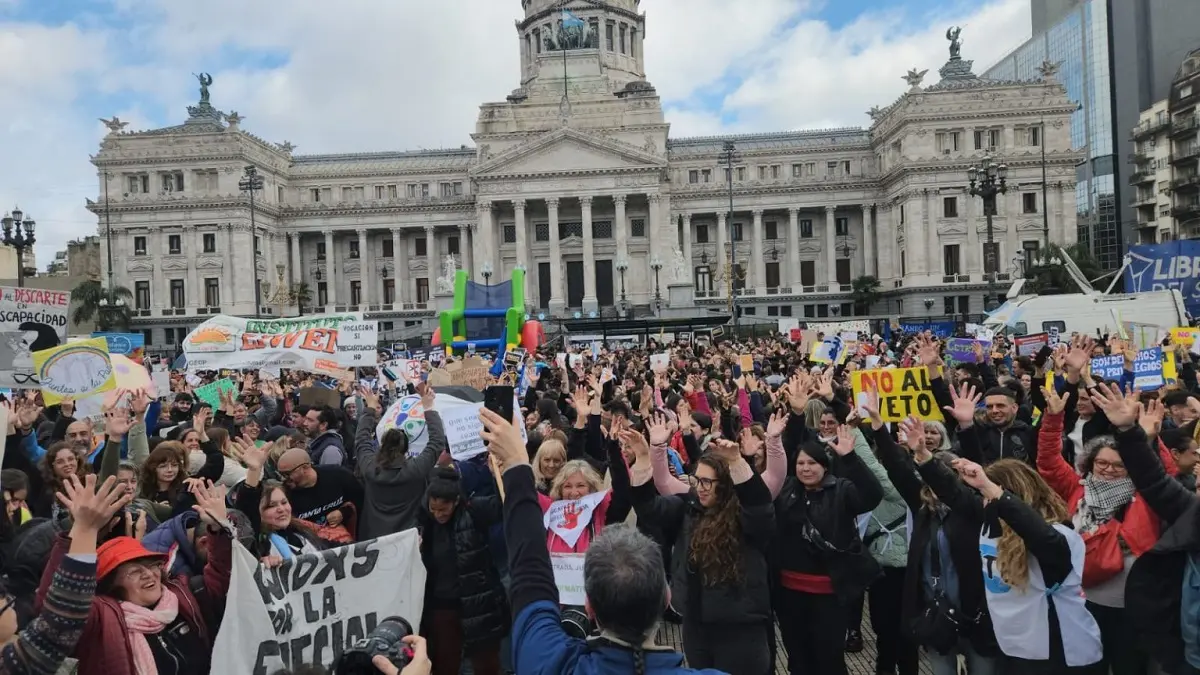
The fallout has not remained confined to the legal sphere. Protests in Houston have continued, with demonstrators demanding justice and accountability. Civil-rights groups say the killing has become part of a broader pattern in which migration enforcement is increasingly militarized and migrants are treated as threats rather than workers or neighbors.
That climate matters because it shapes how migrant rights in the US are perceived abroad. For Mexico and other Latin American governments, each death deepens concerns that existing oversight mechanisms are too weak to prevent abuse or ensure impartial investigations.
The article also notes that the Trump administration’s harder line has contributed to a more punitive environment. Critics say that approach has normalized aggressive detention practices and expanded fear among migrant communities already living under pressure.
Policy, oversight, and accountability
Rights groups argue that the problem is not limited to a few isolated incidents. They say the combination of detention, rapid deportation efforts, and high-pressure street operations has created conditions where abuse can go unchecked and accountability becomes fragmented across agencies and jurisdictions.
The article emphasizes that social media evidence has made those concerns harder to ignore. Videos and eyewitness accounts have circulated widely, documenting confrontations, detentions, and alleged mistreatment. In many cases, those materials have become the only public record available while official investigations move slowly or remain incomplete.
This is why the UN and Mexico are pressing for more than diplomatic language. They want independent oversight, transparent procedures, and legal consequences where rights are violated. The concern is that without stronger mechanisms, deaths in custody and during operations will continue without meaningful remedies.
The role of private detention companies has also become central. Mexico’s plan to pursue civil claims against the firms running detention centers reflects a growing view that accountability must extend beyond federal officers to the contractors and facilities that shape daily conditions for detainees.
In that sense, migrant rights in the US are now being debated not only as a human-rights issue but also as a governance issue. The question is whether the country’s enforcement architecture can be reconciled with constitutional and international obligations.
Geopolitical context and regional impact
The dispute over migrant rights in the US has broader geopolitical consequences across the hemisphere. Mexico is one of Washington’s closest economic partners, but migration policy has become a recurring source of friction and a test of trust between the two governments.
The issue also affects Latin America more widely because the United States remains the main destination for millions of migrants from the region. When enforcement operations turn deadly, the fallout spreads quickly across families, consulates, and diplomatic channels. That makes this dispute part of a larger regional conversation about mobility, labor, and state responsibility.
The UN’s intervention signals that migrant protection is now a global governance issue, not just a bilateral disagreement. By calling for independent investigations and stronger detention oversight, the organization is reinforcing the idea that human rights do not stop at the border.
What comes next
For now, Mexico is expected to continue filing complaints in US courts and pressing international bodies for review. The government has made clear that it wants not only answers, but also structural changes in how migrants are treated in detention and during enforcement operations.
The coming weeks will likely determine whether the legal and diplomatic pressure produces concrete results. If it does not, the issue could deepen into a larger confrontation over law enforcement, sovereignty, and the rights of migrants in the United States.
Author: JMVR
Source: Agencias