







Shocking Details on Manta Fishermen US Attack After Boat Sinking
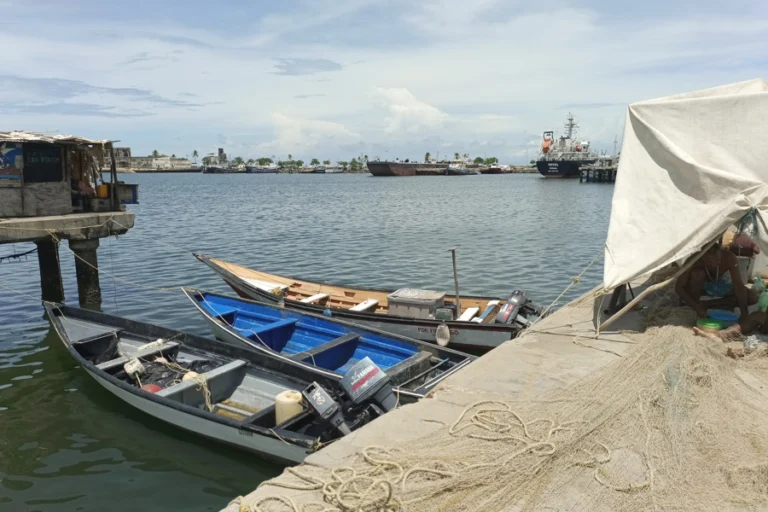
U.S. Navy forces from the USS San Antonio intercepted and sank the Ecuadorian fishing vessel Tres Hermanos on August 28, 2026, with fishermen alleging abuse while SOUTHCOM claims it was a coordinated drug interdiction operation.
August 29, 2026 Hour: 2:28 pm
🔗 Comparte este artículo
Manta fishermen US attack: Crew alleges abuse as USS San Antonio sinks Tres Hermanos. Explore conflicting accounts, Loffredo’s response, and regional security implications.
Related: Venezuelan Acting President Meets CONMEBOL and FVF to Modernize National Football
Manta Fishermen US Attack: Crew Alleges Abuse as Navy Sinks Fishing Vessel Off Ecuador
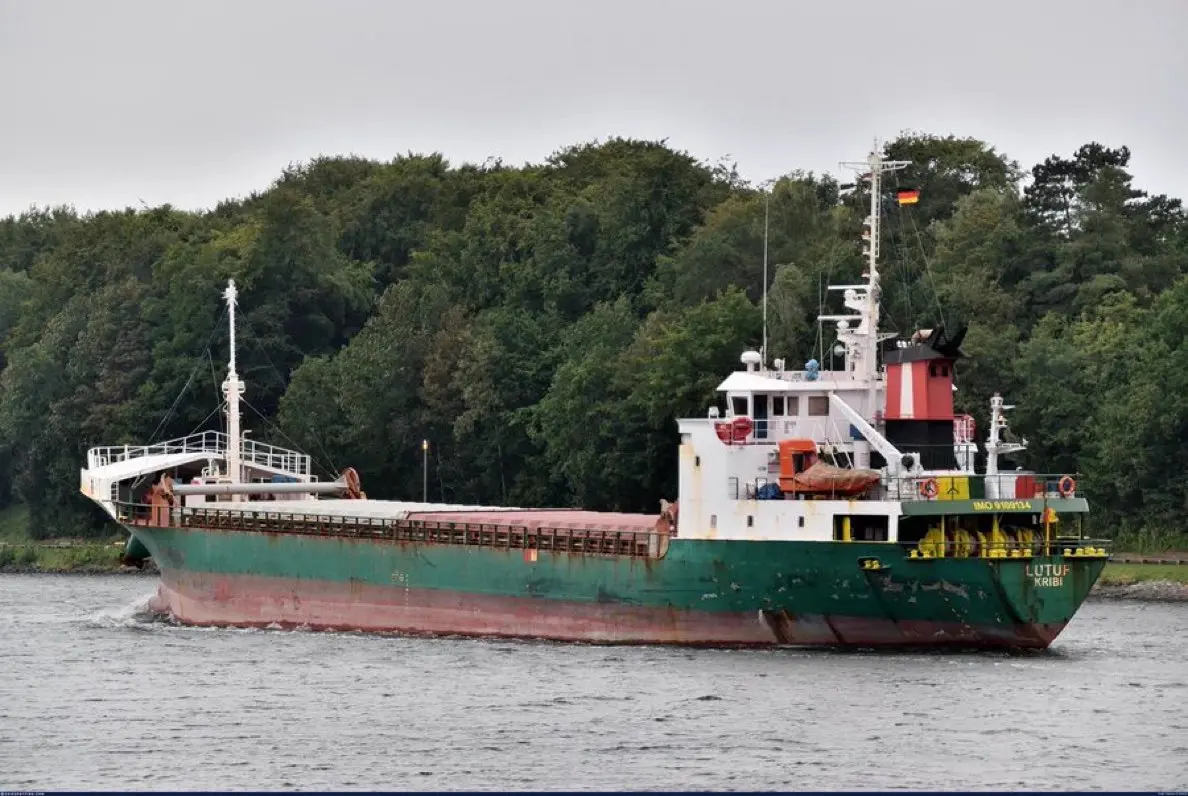
Manta fishermen US attack allegations intensified on Friday, August 28, 2026, after 14 crew members of the Ecuadorian fishing vessel Tres Hermanos (Los Tres Hermanos) reported that U.S. Navy forces from the USS San Antonio (LPD 17) intercepted, boarded, and allegedly abused them before sinking their boat approximately 40 nautical miles off the coast of Manta. The incident, which occurred around 9:00 a.m. local time, has sparked conflicting accounts: the fishermen claim they were handcuffed, blindfolded, and mistreated, while the U.S. Southern Command (SOUTHCOM) asserts the operation was a coordinated drug interdiction targeting a floating refueling station used by the Los Choneros narcoterrorist organization, with all crew members safely returned to Ecuador before the vessel was destroyed.[eldiario][eldiario][eldiario][telesurtv]
The Tres Hermanos, a mother ship (pesquero nodriza) operating with four smaller fishing boats, was intercepted while returning from fishing operations near Jaramijó, according to testimony from crew members and their families, who filed a formal complaint at the Manta Port Authority (Capitanía del Puerto de Manta) demanding operational safety guarantees in international waters. Local fishing cooperative leaders have requested urgent meetings with the Ministries of Defense and Foreign Affairs to clarify the legality and coordination of the U.S. military procedure, while Human Rights Watch (HRW) continues investigating prior allegations of armed drone attacks against three other fishing vessels near the Galapagos Islands earlier in 2026, which left at least eight fishermen missing.[eldiario][eldiario][milenio][afloat]
Manta Fishermen US Attack: Conflicting Accounts, Defense Minister Response, and Human Rights Concerns
The Manta fishermen US attack incident has generated two sharply divergent narratives. According to the 14 crew members, U.S. Marines and sailors deployed from the USS San Antonio approached their vessel around 8:00 a.m., surrounded it with helicopters and patrol boats, and boarded the ship while pointing weapons at the fishermen. The crew alleges they were handcuffed, blindfolded, and subjected to mistreatment, with some reporting that personal belongings were confiscated before the boat was towed offshore and sunk with explosives around 1:00 p.m. The fishermen insist they were engaged in legitimate artisanal fishing and deny any involvement in drug trafficking, describing the operation as an unprovoked military assault on civilian workers.[eldiario][eldiario][eldiario][telesurtv]
For El Diario’s detailed coverage of the incident, see: Drones, Helicopters and Explosions 40 Miles from Manta: The Two Versions on the Sunken Fishing Boat
In contrast, SOUTHCOM released a statement asserting that the operation was conducted in coordination with the Government of Ecuador and targeted a vessel that, according to U.S. intelligence, functioned as a floating refueling station for maritime drug trafficking. The command stated that Marines and sailors intercepted, boarded, searched, and secured the vessel, after which all occupants were safely escorted to Ecuador before the boat was destroyed with explosives to prevent its reuse. SOUTHCOM emphasized that the Tres Hermanos had been previously identified and sanctioned by the U.S. Treasury Department for supporting the Los Choneros, a violent narcoterrorist organization, and that the operation proceeded “without incidents” in accordance with international maritime law.[eldiario][eldiario][telesurtv][milenio]
For SOUTHCOM’s official statement, see: U.S. and Ecuador Board, Blow Up Alleged Drug-Trafficking Boat in Pacific
Ecuador’s Defense Minister Gian Carlo Loffredo avoided directly confronting Washington over the incident, instead recommending that the fishing sector not leave Ecuadorian territorial waters to prevent serious incidents during maritime patrols. Loffredo emphasized that jurisdictional sovereignty has sufficient biological resources to sustain extractive activities without venturing into the high seas, a statement that fishing leaders argue ignores the dynamics of fish stock displacement due to climate change and the El Niño phenomenon, which have reduced catches in the continental platform and forced fishermen to travel greater distances to sustain tuna captures and supply markets. Loffredo also highlighted that U.S. cooperation has tripled Ecuador’s maritime interdiction capacity, with two U.S. warships equipped with aeromaritime surveillance systems and drones supporting joint operations, though he acknowledged that several boats reported missing or attacked in recent months had left territorial waters before losing contact, and in some cases, tracking or GPS equipment was intentionally turned off, complicating route monitoring.[telesurtv][expreso][riotimesonline][riotimesonline]
The National Fisheries Chamber (Cámara Nacional de Pesquería) warned of marine species scarcity caused by ocean warming associated with El Niño, noting that the environmental alteration forces hundreds of workers to navigate distances greater than usual to sustain tuna captures and supply markets. Fishing guilds stated that low catches increase fuel costs and drastically reduce profitability for families dedicated to this ancestral activity, with leaders insisting on demanding effective governmental responses to protect crew lives from international military operations. Human Rights Watch has investigated prior allegations of armed drone attacks against three other fishing vessels near the Galapagos Islands between January and March 2026, which left at least eight fishermen missing, though Washington denies any involvement in those incidents. Amnesty International has also called for an investigation into the missing Ecuadorian fishing vessel Fiorella, which was allegedly subjected to sustained monitoring by U.S.-marked aircraft, patrol boats, and drones before disappearing.[eldiario][milenio][afloat][fcnl]
Geopolitical Context: U.S.-Ecuador Security Cooperation, Drug Interdiction, and Sovereignty Concerns
The Manta fishermen US attack unfolds against a backdrop of intensified U.S.-Ecuador security cooperation, as Washington and Quito have deepened joint military operations against drug trafficking organizations in the Eastern Pacific Ocean, a key transit zone for cocaine shipments from Colombia, Peru, and Ecuador to North America and Europe. The August 28 operation coincided with a trilateral meeting between U.S., Ecuadorian, and Colombian defense officials in San Lorenzo and Tumaco, where ministers discussed the creation of a “security trident” to share intelligence, anticipate threats, strengthen coordinated operations, and close routes used by drug trafficking and other illicit economies. The U.S. Treasury Department sanctioned 15 individuals on August 20 for their involvement in a network that allegedly shipped thousands of kilograms of cocaine per month from Ecuador through Mexico to the United States, underscoring the strategic importance of maritime interdiction in the region.[washingtonpost][infobae][europapress][elcolombiano]
Regionally, the Manta fishermen US attack incident highlights the tension between drug enforcement and fishing rights, as U.S. naval operations increasingly target floating refueling stations (madres nodrizas) that support narco-submarines and speedboats transporting cocaine. However, fishing communities argue that military operations lack adequate safeguards to distinguish between legitimate artisanal vessels and drug trafficking support boats, particularly when transponders are turned off or intelligence is flawed. The HRW report from July 2026 alleged that the U.S. likely played a role in attacks on three fishing vessels off Ecuador’s coast earlier in the year, raising concerns about civilian casualties, due process, and accountability in U.S.-led interdiction campaigns.[eldiario][milenio][afloat][cp24]
Globally, the Manta fishermen US attack reflects broader debates about maritime sovereignty, extraterritorial enforcement, and human rights in international waters, where U.S. forces operate with significant autonomy under bilateral agreements that grant broad latitude for interdiction operations. The USS San Antonio, an amphibious transport dock, is part of a larger U.S. naval presence in the Eastern Pacific, including two warships and aeromaritime surveillance assets deployed to support Ecuadorian and Colombian counter-narcotics efforts. While Washington frames these operations as essential to disrupting drug trafficking networks, critics argue that militarized enforcement without adequate civilian oversight risks eroding trust, provoking backlash, and violating international law, particularly when civilian fishermen are caught in the crossfire.[eldiario][eldiario][riotimesonline][fcnl]
The incident also carries implications for Ecuador’s domestic politics, as President Daniel Noboa’s administration has faced criticism for perceived subordination to U.S. security priorities, with opposition figures and fishing leaders accusing the government of failing to defend national sovereignty and protect civilian workers from foreign military operations. Defense Minister Loffredo’s statement that fishermen should remain within territorial waters has been widely criticized as dismissive of economic realities, as climate change, El Niño, and overfishing have depleted nearshore stocks, forcing artisanal fishermen to venture farther offshore to sustain their livelihoods. The National Fisheries Chamber estimates that hundreds of families depend on tuna and other pelagic species that migrate beyond the 200-nautical-mile exclusive economic zone, making restrictions on high-seas fishing economically unviable without alternative support mechanisms.[telesurtv][expreso][riotimesonline][riotimesonline]
Furthermore, the Manta fishermen US attack incident underscores the growing role of private sanctions and intelligence-led operations in U.S. counter-narcotics strategy, as the Treasury Department’s designation of the Tres Hermanos as a sanctioned vessel provided the legal basis for the interdiction without requiring judicial oversight or evidentiary hearings. This administrative approach allows for rapid action but raises concerns about due process, transparency, and accountability, particularly when civilian fishermen dispute the allegations and claim they were targeted without probable cause. The HRW and Amnesty International investigations into prior attacks and disappearances highlight the need for independent oversight and victim compensation mechanisms to address potential abuses in U.S.-led maritime operations.[eldiario][milenio][afloat][cp24]
Author: JMVR
Source: Radio Pichincha