







Mali’s Defense Minister Killed During in a Bombing Attack
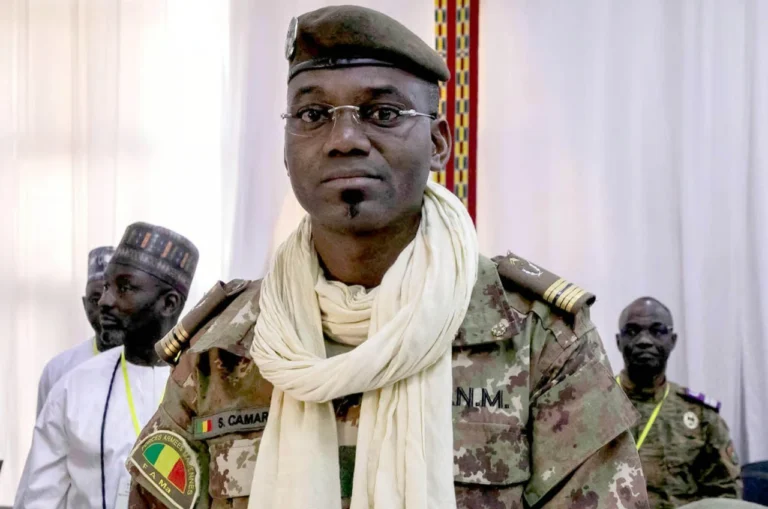
Mali’s defense minister, General Sadio Camara. Photo: X
April 26, 2026 Hour: 1:03 pm
🔗 Comparte este artículo
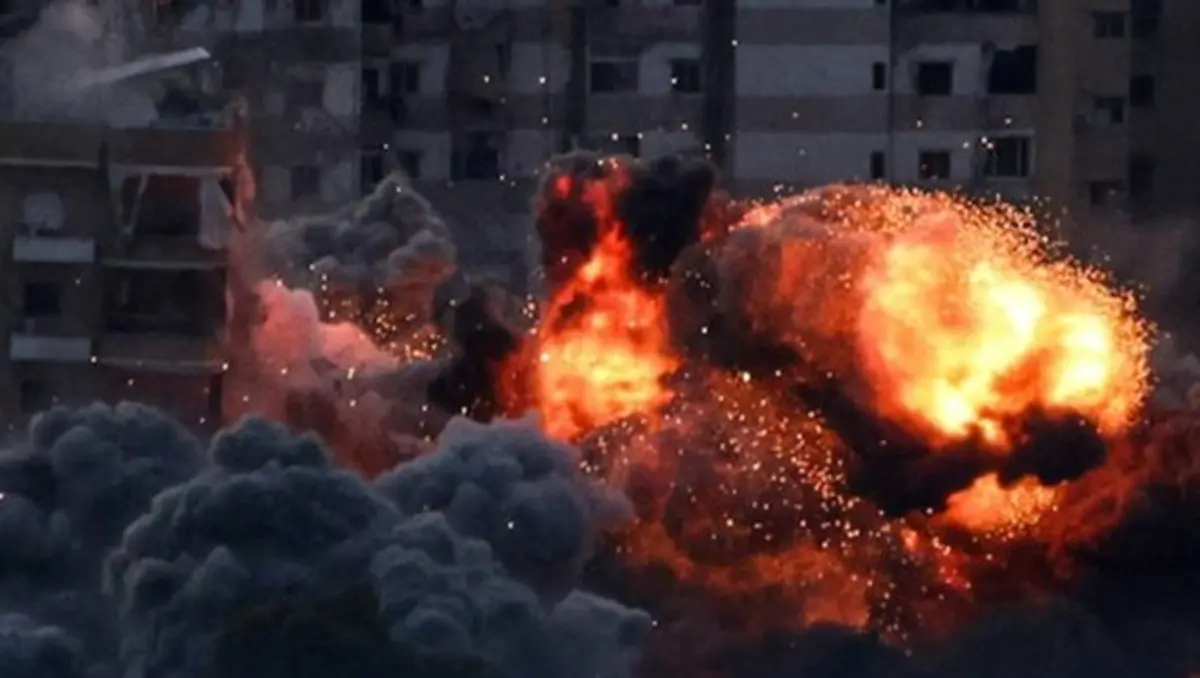
Mali’s Defense Minister, General Sadio Camara, died in a bombing during the large-scale offensive launched this Saturday by Al Qaeda and northern secessionists against civilian and military targets.
Two military sources and a relative specified that Camara and three members of his family died in the explosion in the town of Kati, near Bamako, without providing further details.
The assassination of Camara, 47, who had been in office since 2021, has not yet been officially confirmed by the Malian government.
This general was one of the main members of the military junta that rules Mali and participated in the 2020 coup d’état that overthrew former elected president Ibrahim Boubacar Keita.
This Saturday, the Azawad Liberation Front (FLA), a secessionist group that claims that northern region, and the Group for the Support of Islam and Muslims (JNIM, Al Qaeda’s affiliate in the Sahel) launched a coordinated offensive in the north of the country that culminated in the capture of the strategic city of Kidal.
African Union Condemns Armed Attacks on Cities in Mali: Mali’s Defense Minister Killed During in a Bombing AttackThe JNIM carried out unilateral attacks against civilian headquarters and military barracks in Bamako, Kati, and other cities in the center, and attempted to assault the international airport of the Malian capital.
The General Staff of the Malian Armed Forces reported that “armed terrorist groups” attacked several cities, but the Army repelled the offensive, “neutralized” hundreds of attackers, and assured that the situation “is totally under control.”
In addition, they called for calm among the population and decreed a three-day curfew in the Bamako district, with more checkpoints in the capital and its periphery.
Since 2020, Mali has been governed by a military junta in a context of instability and prolonged violence, driven by secessionists from Azawad and jihadist groups linked to Al Qaeda and the Islamic State (ISIS).