Lula Wins Brazil Elections: Decisive Victory Confirmed With Over 99% of Votes Counted
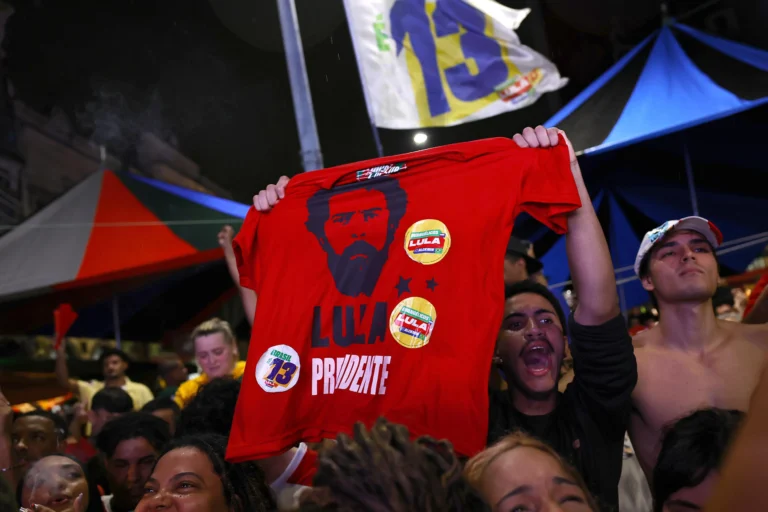
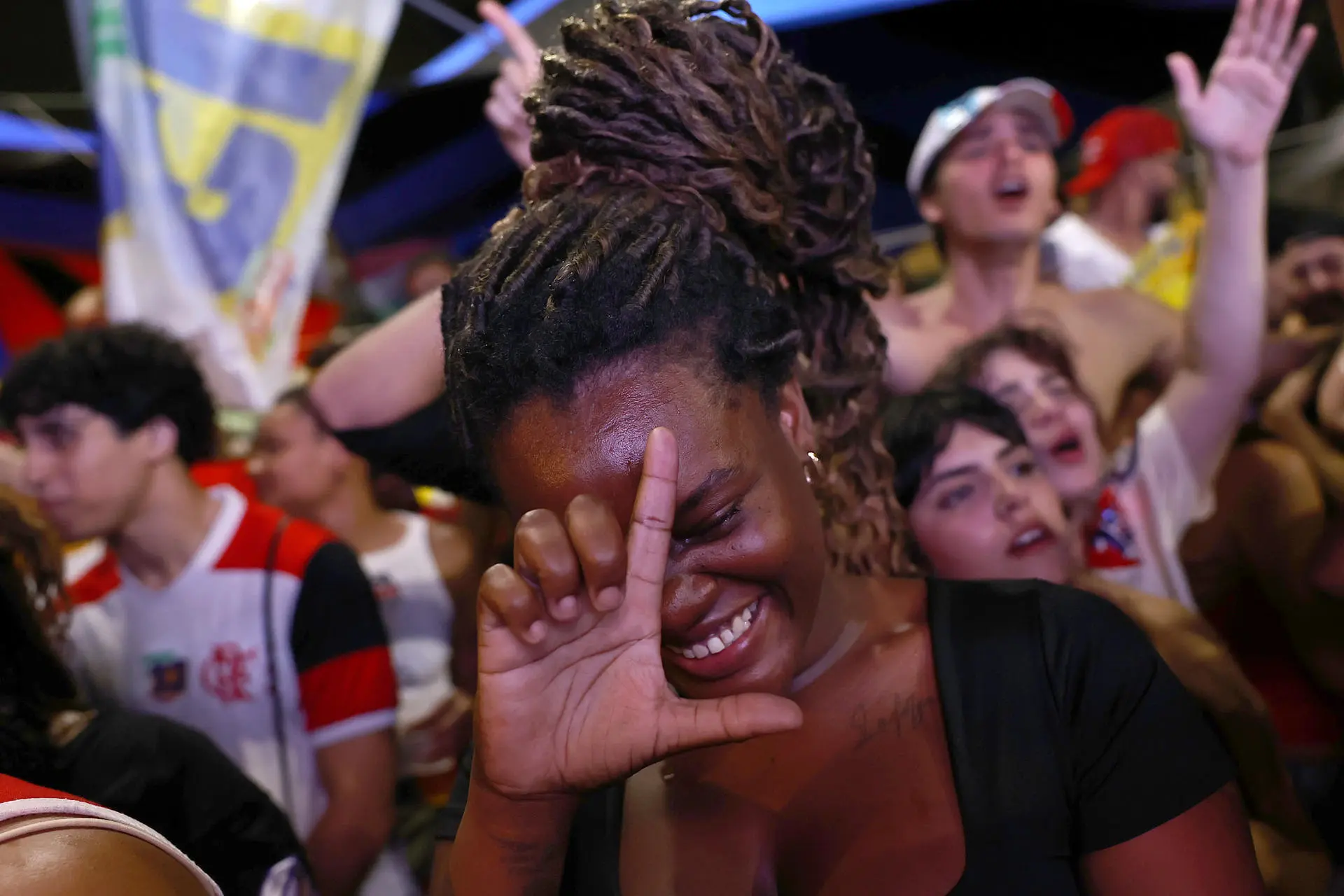
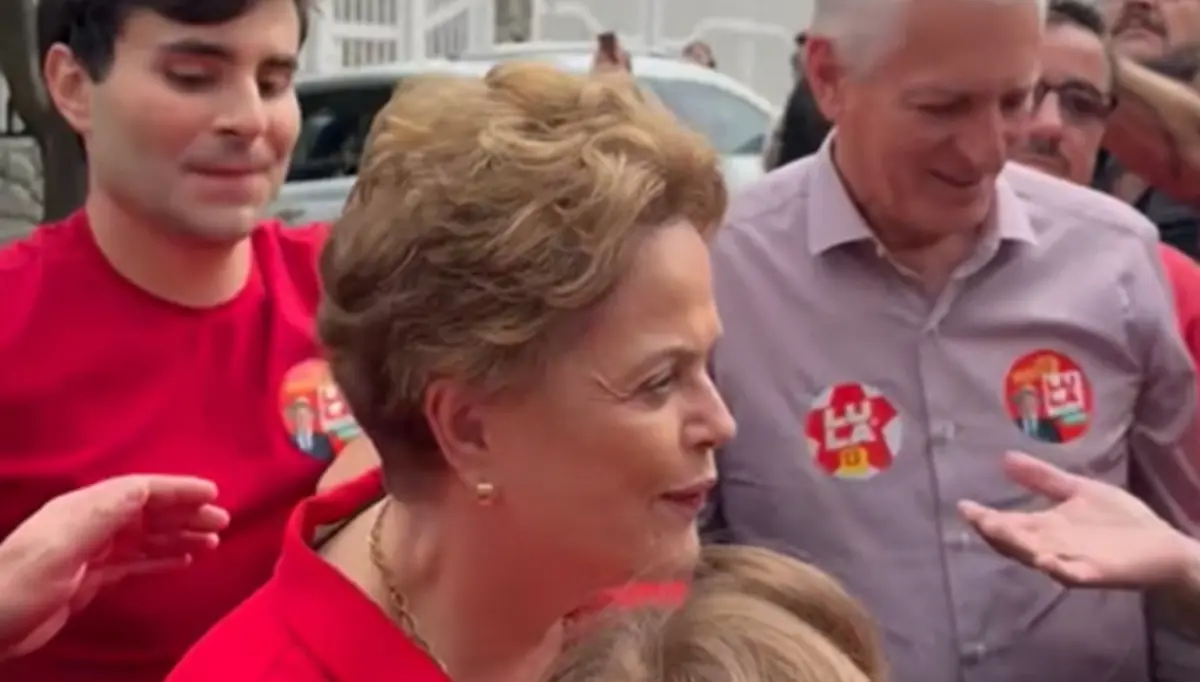
Lula da Silva becomes the most voted presidential candidate in the history of Brazil. Photo: EFE.
October 25, 2026 Hour: 8:23 pm
🔗 Comparte este artículo
With 99.75% of the vote counted, Brazil’s presidential runoff was declared “mathematically defined,” putting incumbent Luiz Inácio Lula da Silva on track to defeat Flavio Bolsonaro.
Luiz Inácio Lula da Silva has secured reelection as Brazilian President, defeating Flávio Bolsonaro in a closely contested presidential runoff and winning an unprecedented fourth term in office, with a difference of over four million ballots and more than three percentage points.
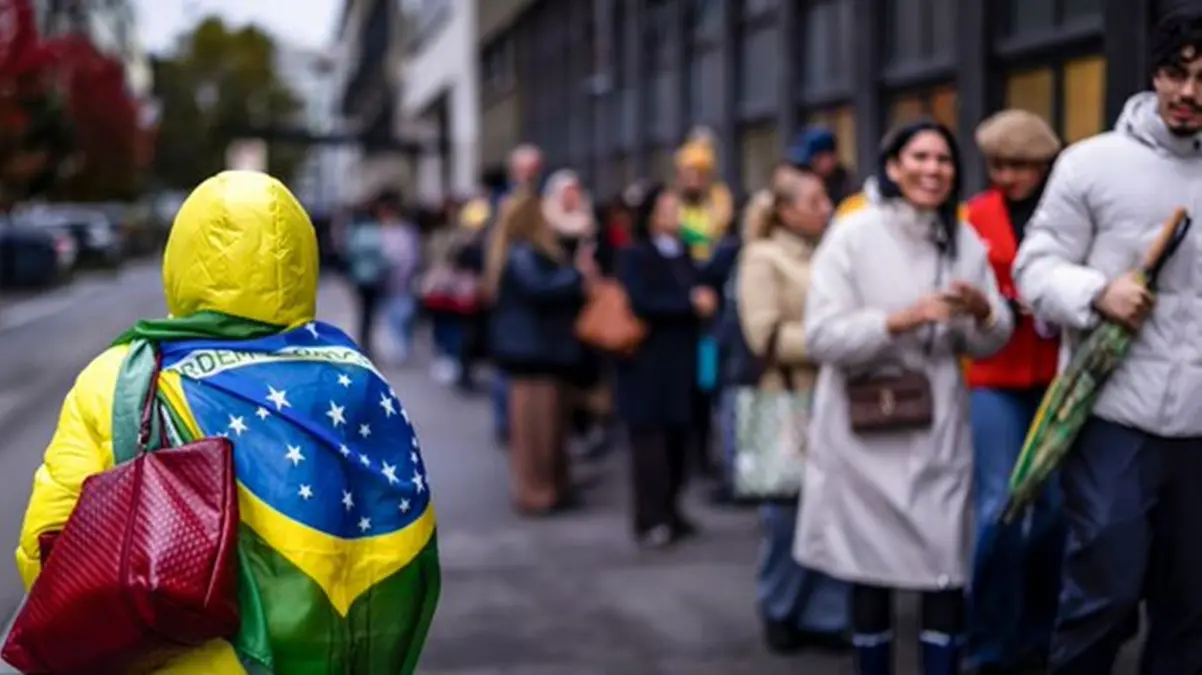
RELATED: Brazilian Expats in Asia and Oceania Back Lula in Majority of Nations
The count, which surpassed 99 percent of polling stations, was declared mathematically defined well before the final numbers landed.
The result marks a significant political moment for the region’s largest democracy, signaling both continuity with Lula’s political legacy and a new chapter in Brazil’s evolving democratic landscape.
Historic Outcome
As vote counting progressed throughout the evening, Lula steadily maintained an advantage that ultimately became impossible for his rival to overcome. Electoral analysts and officials declared the race mathematically decided before the final ballots were counted, effectively confirming Lula’s return to the nation’s highest office.
The election represented one of the most consequential political contests in recent Brazilian history. Lula, a president known for his social programs and efforts to reduce poverty during his previous administrations, campaigned on promises of economic inclusion, institutional stability, and national reconciliation. Throughout the campaign, he emphasized the need to strengthen democratic institutions, expand opportunities for lower-income Brazilians, and restore Brazil’s international standing.
Flávio Bolsonaro entered the race carrying the political legacy of his father, former President Jair Bolsonaro, sentenced to 27 years in prison for attempting to overturn the 2022 election results. His campaign appealed primarily to conservative voters, highlighting issues related to public security, economic liberalization, and traditional values. The contest therefore became a referendum not only on competing political platforms but also on two distinct visions for Brazil’s future.
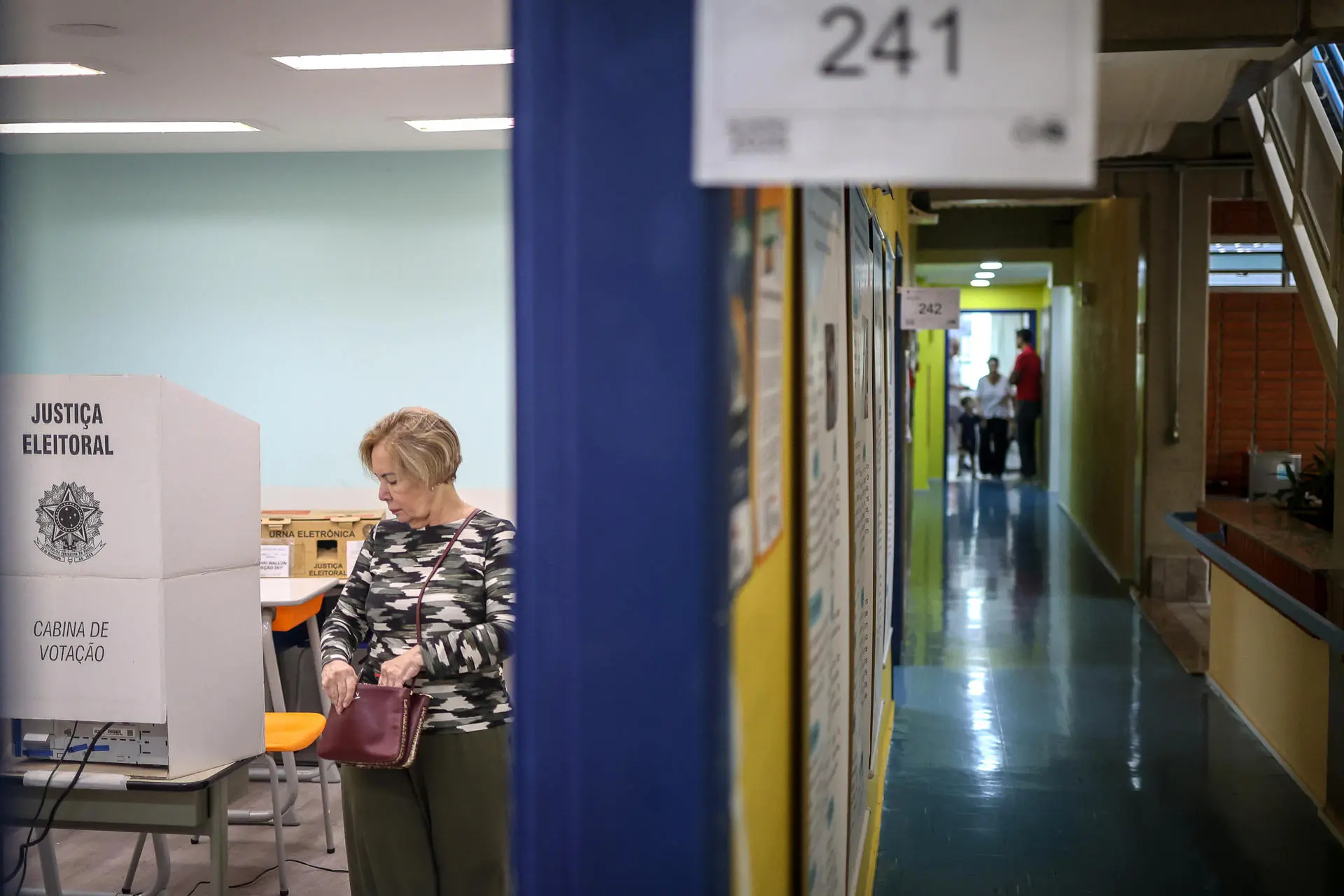
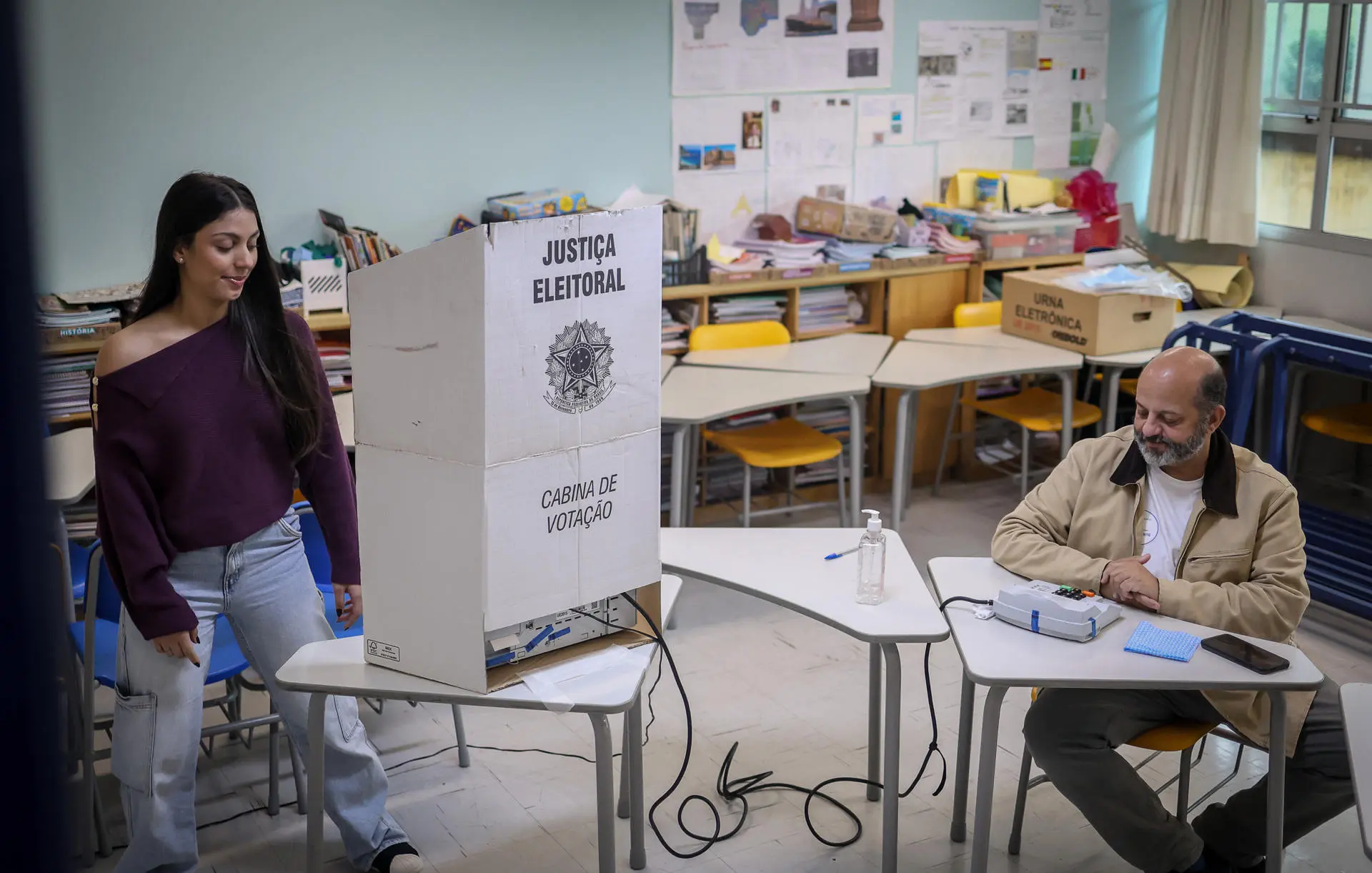
Voter turnout remained strong across much of the country, reflecting the high stakes of the election. Major urban centers, as well as many rural areas, reported significant participation levels as citizens headed to polling stations to determine the direction of the nation for the coming years.
Political observers noted that the campaign was marked by intense debates over economic policy, environmental protection, public spending, and Brazil’s role in international affairs. These issues dominated public discussions and helped mobilize millions of voters on both sides of the political spectrum.
Regional Impact
Lula’s victory is expected to have significant implications beyond Brazil’s borders. As the largest economy and most populous country in Latin America, Brazil plays a central role in regional diplomacy, trade, and environmental policy.
One area likely to receive immediate attention is environmental policy, particularly regarding the Amazon rainforest. During the campaign, Lula reiterated commitments to environmental protection and sustainable development, issues that have attracted growing international concern in recent years. Global leaders and environmental organizations are expected to monitor how these commitments translate into government action.
Economically, investors and business leaders will be looking for signals regarding fiscal policy, market regulation, and social spending priorities. Lula faces the challenge of balancing economic growth with social programs designed to reduce inequality and improve living standards for millions of Brazilians.
The election also highlights the resilience of Brazil’s democratic institutions. Despite a highly polarized political environment and an intensely competitive campaign, the electoral process proceeded under established constitutional rules. The public security balance described a day characterized by widespread calm and a low rate of irregularities at voting centers.
Lula, the President re-elected, becomes the most popular presidential candidate in Brazil’s history and he will be sworn in for a fourth term on January 5, 2027. With the election effectively settled before the final count was completed, Brazil begins a new political era under the leadership of Lula, a figure whose return to power is likely to influence both national policy and regional politics for years to come.
Author: Laura V. Mor
Source: Agencies