







Israel Threatens Directors of ‘Naza’ Documentary
The Israeli government threatens to revoke the citizenship of the directors of the documentary Naza after ordering an investigation into the sources revealing lethal strategies in Gaza.
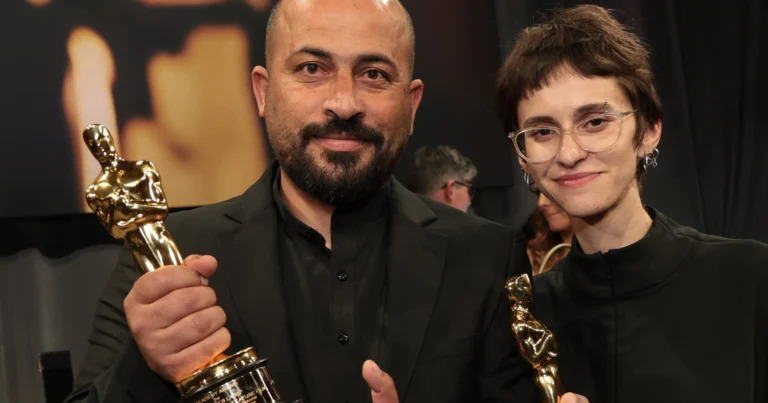
Filmmakers Yuval Abraham and Rachel Szor face threats and harassment after premiering their documentary about civilian casualties in Gaza. Photo: Al Jazeera
September 16, 2026 Hour: 11:04 am
🔗 Comparte este artículo
Israeli filmmakers Yuval Abraham and Rachel Szor, directors of the documentary ‘Naza’, are the subject of an investigation ordered by the Israeli Culture Ministry aimed at identifying the sources who exposed military strategies in the Gaza Strip.
On Wednesday, Minister Miki Zohar asked Shin Bet chief David Zini to investigate the leak of materials, a move that could lead to the revocation of the filmmakers’ citizenship.
RELATED:
NAZA Gaza Documentary Wins Powerful Venice Prize Amid Gaza Horror
“Clarifying the facts is essential so that the Ministry of the Interior can examine the case and revoke the directors’ citizenship,” Zohar stated on the social network X. In his request, the official demands a determination of how the testimonies were obtained, whether there was an illegal disclosure of security information, and whether there are links to hostile elements or Hamas.
The documentary ‘Naza’, winner of the Special Jury Prize at the Venice Film Festival, is the result of nearly three years of work. The production compiles anonymous testimonies from 24 Israeli intelligence officers. They denounce the systematic use of artificial intelligence and lethal methods that have caused a high number of civilian casualties and the destruction of infrastructure in Palestinian territory.
The revelation of these practices has sparked a wave of institutional attacks against the filmmakers. Prime Minister Benjamin Netanyahu described the work as outrageous. “We fight against antisemitic incitement worldwide, but when it comes from within our own ranks, it is simply intolerable,” the leader declared.
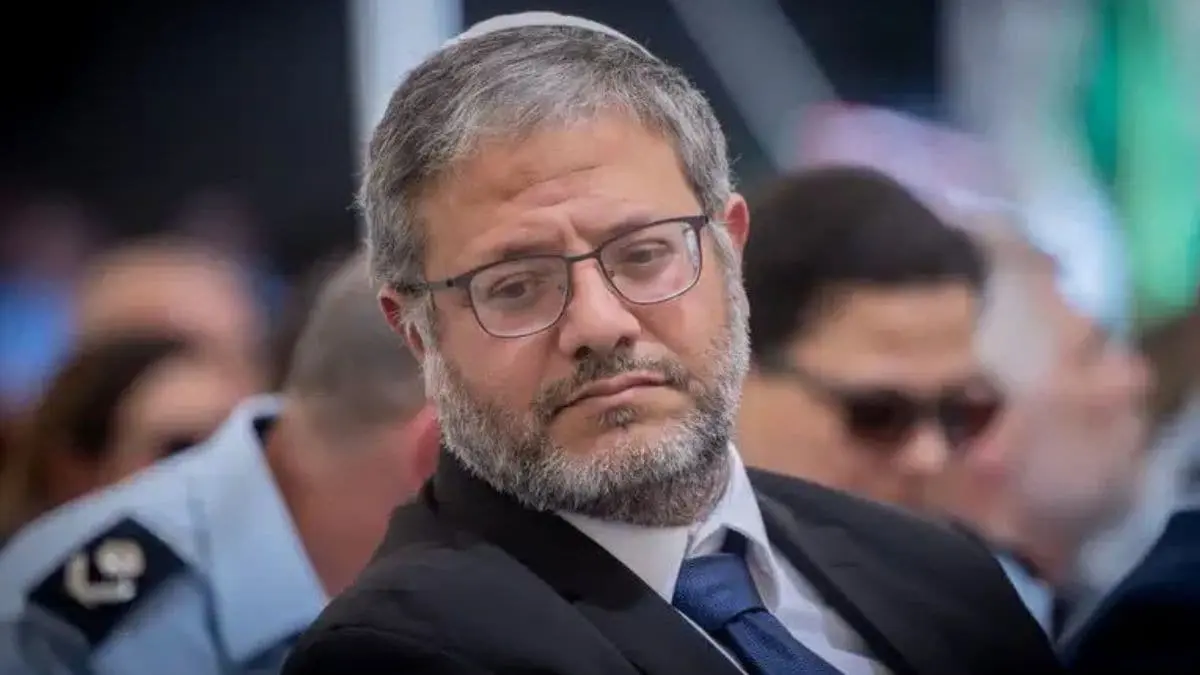
These statements have been joined by criticism from the army chief, the Foreign Ministry, and politician Itamar Ben Gvir, while the directors face repeated death threats on social media.
Faced with this situation, Israeli journalists have launched a petition in defense of Abraham and Szor. In their statement, they condemn the attacks and warn that in a country aspiring to be considered a democracy, journalists and their sources should not have to fear investigations, threats of violence, insults, or the revocation of their citizenship.
The film is based on investigations published since 2023 in +972 magazine and The Guardian newspaper. The material documents how, following October 7, the armed forces shifted from authorizing dozens to hundreds of civilian deaths as collateral damage. It also exposes tactics such as bombing homes when heads of households returned and using artificial intelligence models with a 15 percent margin of error to determine the alleged militant status of Gazans.
The work’s title derives from the acronym used by intelligence services to estimate the number of civilian fatalities in airstrikes, using formulas such as “20 NAZA.” The sources, who remain anonymous to avoid persecution and imprisonment, assert that nothing in Gaza happens by accident.
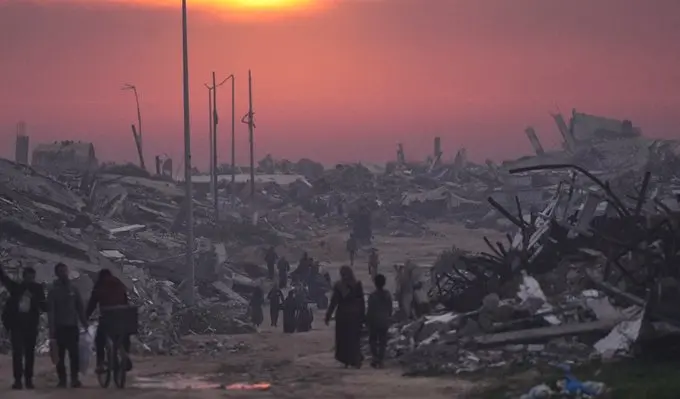
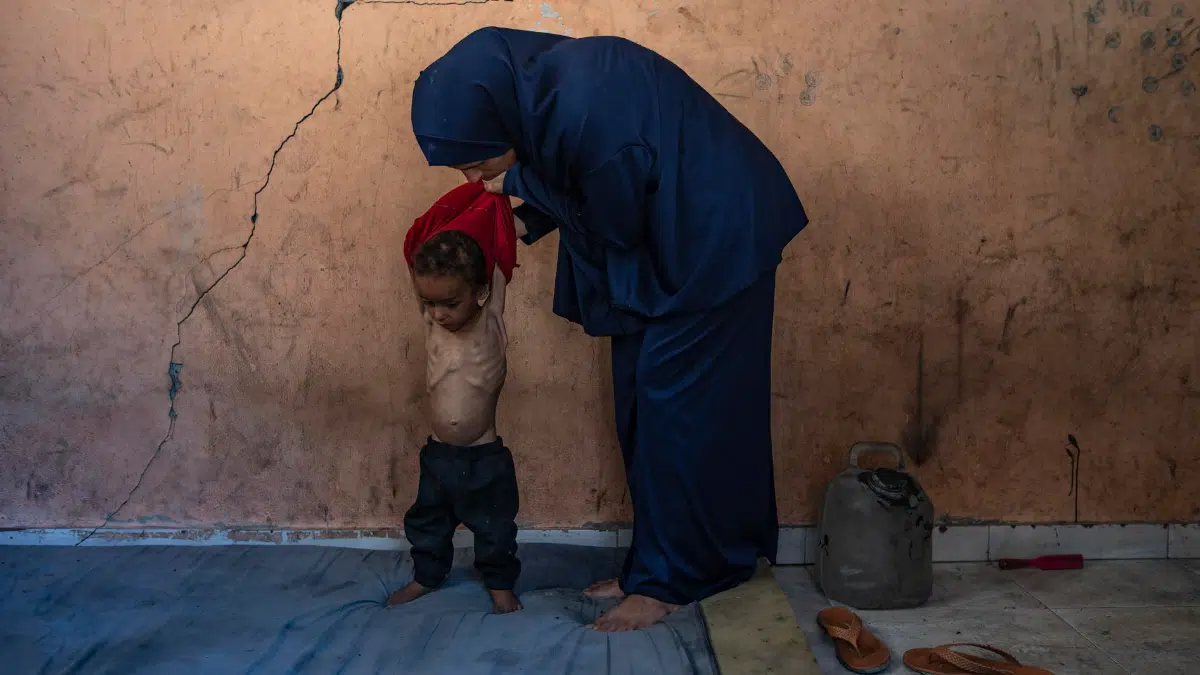
The claims made in the documentary emerge amidst a conflict that, according to figures cited in official reports, has resulted in the deaths of over 70,000 Palestinians since October 2023. This death toll includes thousands of children and has been accompanied by the systematic destruction of homes, hospitals, schools, places of worship, and essential civilian infrastructure.
A central theme of the work’s political message is the killing of Palestinian journalists. Reporters have played a pivotal role in documenting the war, often working without reliable communications, protective gear, or access to safe zones. In Venice, director Abraham highlighted that international public opinion learned of events in Gaza primarily through these journalists. He further warned that the killing of reporters undermines accountability by eliminating direct witnesses to the events on the ground.
The film also levels criticism at the United States, raising broad geopolitical implications. Washington has provided military, financial, and diplomatic support to Israel, defending its operations. However, the film argues that this backing—coupled with the blocking of international measures—contributes directly to civilian deaths, fueling the debate over international complicity.
Author: HGV/JF
Source: Al Mayadeen