








3 Critical Facts: Israel espionage Reaches a Dangerous New Peak
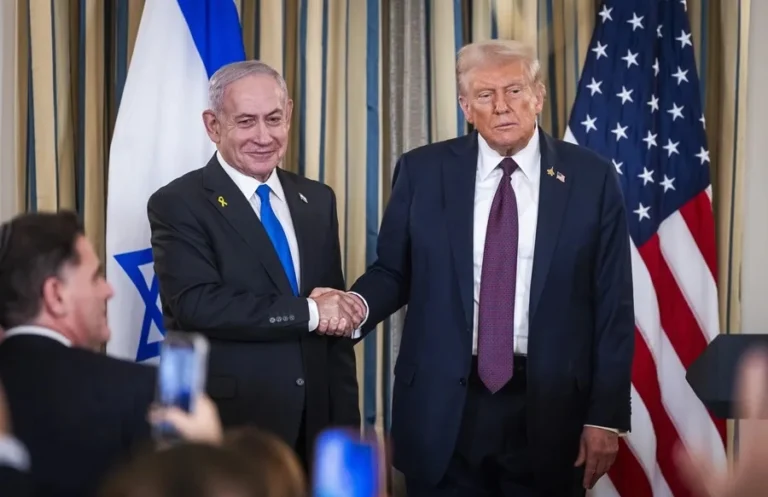
U.S. media reports say counterintelligence concerns over Israel have reached a critical level inside the Pentagon.
June 7, 2026 Hour: 4:06 pm
🔗 Comparte este artículo
Israel espionage against the White House reportedly reaches a critical level as U.S. intelligence warns of aggressive spying amid Iran war tensions.
Related: Israeli White Phosphorus Use Reported in Lebanon
Israel espionage has reportedly reached a critical level inside the U.S. security apparatus, according to American media reports citing internal Pentagon and intelligence documents. The allegations center on Israeli efforts to monitor senior U.S. officials and intercept internal deliberations during the Trump administration’s Iran policy crisis.
Israel espionage and the Pentagon warning
According to reports by The New York Times and NBC News, the U.S. Department of War recently raised its counterintelligence threat assessment regarding Israel from “high” to “critical,” the highest level. The shift reflects growing concern that Israeli intelligence has been acting in an unusually aggressive way toward senior members of the U.S. administration.
The reports say internal Defense Intelligence Agency documents point to multiple incidents that alarmed American officials. The concern is not limited to routine intelligence collection. Instead, the issue appears to involve attempts to identify whether President Donald Trump and his advisers would resume large-scale war against Iran.
The Times article, which described the Pentagon as seeing a growing threat from Israeli spying, said the alert followed an increase in efforts to monitor top officials and intercept internal government discussions. NBC News reported that the DIA circulated an internal notice labeling the espionage threat as critical.
The issue comes as Washington continues negotiations with Iran after a fragile ceasefire that followed the 40-day war launched by the United States and Israel on February 28. The talks have not produced a final settlement, and Israeli military actions in Lebanon have complicated the diplomatic track.
Israel espionage and Trump’s Iran strategy
The reports also revive the question of Benjamin Netanyahu’s influence on Trump’s decision-making at the start of the war. According to U.S. media coverage, Netanyahu played a significant role in early February in pushing the White House toward military escalation. That claim has intensified scrutiny over whether Israeli officials continue trying to shape U.S. policy from within.
Since the ceasefire began on April 8, Trump has repeatedly engaged in negotiations with Iran, aiming to end the conflict. Those talks remain unresolved. Israeli officials, meanwhile, have continued to signal support for renewed bombing, suggesting that a peace deal between Washington and Tehran would be seen in Jerusalem as a setback.
Western officials, according to the report, say Netanyahu defied Trump by continuing bombardments and the offensive in southern Lebanon even after the ceasefire was declared. That conduct has deepened tensions between the two governments, even while they remain close allies.
The United States has long provided Israel with billions of dollars in military aid each year. Yet the current dispute shows that alliance does not erase mistrust. American officials reportedly believe Israeli intelligence has repeatedly crossed lines, especially during periods of crisis involving Iran and the wider region.
- Reuters Middle East coverage
- Council on Foreign Relations
- International Institute for Strategic Studies
Geopolitical implications of Israel espionage
Israel espionage allegations carry implications far beyond Washington. They affect the already fragile U.S.-Israel alliance, the regional balance surrounding Iran, and the broader stability of West Asia. If American officials believe a trusted ally is monitoring internal debates, that could alter intelligence-sharing patterns and future military coordination.
The reports also arrive at a moment when some lawmakers in Washington are pushing to deepen formal U.S.-Israel military integration. A draft provision in the fiscal 2027 National Defense Authorization Act would create the United States-Israel Defense Technology Cooperation Initiative, with a record $1.15 trillion defense budget framework attached to the broader bill. The proposal aims to bind the two countries’ military industries more tightly than ever.
Under that initiative, the U.S. secretary of war would designate a single official to coordinate bilateral military cooperation. The mandate would cover joint research and development, shared weapons production, autonomous systems, cyberwarfare, and data interoperability. Critics argue that such integration would make it harder to separate strategic interests from political pressure.
The espionage claims also intersect with past history. In the 1980s, Jonathan Pollard, a U.S. Navy intelligence analyst, was arrested and sentenced to 30 years in prison for passing highly classified documents to Israeli intelligence. His eventual return to Israel, where Netanyahu reportedly welcomed him as a hero, remains one of the most emblematic cases in the history of U.S.-Israel intelligence tensions.
The present controversy therefore sits at the crossroads of old distrust and new regional war. With Gaza devastated, Lebanon under attack, and Iran still in the background, intelligence suspicions are becoming part of the diplomatic battlefield. The result is a more volatile environment in which every leak, intercept, or allegation can reshape policy debates.
Author: JMVR
Source: Agencias