Iran Iron Gate Plan Dismissed as Failed US Pressure Strategy
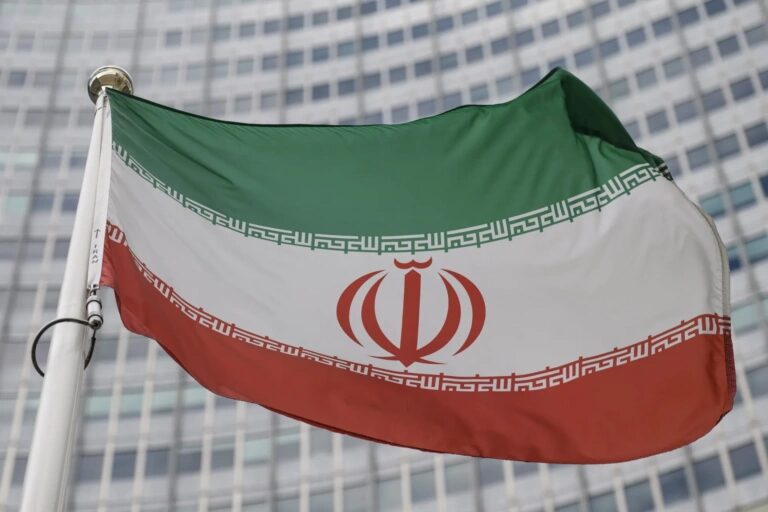
Iran’s IRGC dismissed the U.S. Iron Gate plan as a failed attempt to isolate the country’s economy and break its will through sanctions and maritime pressure.
November 8, 2026 Hour: 1:24 pm
🔗 Comparte este artículo
Iran dismisses the US Iron Gate plan as a failed effort to isolate its economy, warning of stronger retaliation if tensions escalate.
Related: Iran Missile Range Restrictions Lifted: 228 US Sites Targeted
Iran Iron Gate Plan Dismissed as Failed US Pressure Strategy
Iran has dismissed the United States’ Iran Iron Gate plan as a “play on words” destined to fail in its attempt to strangle the country’s finances and productive structure. IRGC spokesperson Brigadier General Hossein Mohebbi made the comments in an interview with Iran’s Fars news agency.[telesurtv]
Mohebbi said the conflict between Tehran and Washington is a combined war spanning both military and economic domains. He argued that if the United States is serious about applying pressure, Iran is “even more serious” and has made the necessary arrangements to communicate with neighboring countries.[telesurtv]
The IRGC spokesperson rejected the idea that Washington can fully isolate Iran’s commercial borders through maritime restrictions or direct sanctions. He said Iran maintains strong ties with neighboring states and has “multiple channels of communication that the United States cannot cut.”[telesurtv]
What the Iron Gate Plan Targets
The Iran Iron Gate plan is described as a U.S. strategy aimed at applying extreme financial pressure on Tehran. Its objective is to restrict Iran’s access to trade, finance, and productive capacity through sanctions, maritime controls, and economic isolation.[telesurtv]
Mohebbi said the plan will fail because Iran’s economy is not dependent on a single corridor or partner. He argued that Iran’s geographic position and regional relationships give it multiple routes for trade and communication.[telesurtv]
The IRGC spokesperson said Washington will never be able to impose a comprehensive economic blockade under “different names and plans.” He framed the U.S. strategy as a repetition of earlier attempts to isolate Iran that have not produced the desired result.[telesurtv]
Iranian Ministry of Foreign Affairs
Iran Warns of Stronger Retaliation
Mohebbi acknowledged that U.S. attacks on Iranian merchant ships and tankers could occur in a conflict scenario. But he said the key is to deliver “strong and repeated blows” and prevent the enemy from breaking the will of the population.[telesurtv]
His comments follow reports of U.S. strikes on Iranian defense infrastructure and ongoing tensions around the Strait of Hormuz. Iran has warned that it will respond to any aggression without geographic limits.[telesurtv][telesurtv]
The IRGC spokesperson’s language signals that Tehran sees economic pressure and military confrontation as part of the same struggle. He argued that the United States is trying to weaken Iran’s productive base while also targeting its military capacity.[telesurtv]
Iran Rejects Collapse Predictions
Mohebbi dismissed past U.S. predictions that Iran would suffer an economic collapse within two weeks. He said those forecasts did not materialize and argued that Iran’s economy will not collapse under the Iron Gate plan.[telesurtv]
“The Americans had previously said that Iran would suffer an economic collapse within two weeks, but we have seen that did not happen,” he said. He concluded that the collapse of Iran’s economy “will definitely not happen” and that the U.S. strategy will fail again in achieving its geopolitical goals.[telesurtv]
The remarks reflect Iran’s effort to project resilience in the face of sanctions and military pressure. Tehran is presenting the Iron Gate plan as another attempt to weaken the country that will ultimately fail.[telesurtv]
Iranian Ministry of Foreign Affairs
Strait of Hormuz Under Pressure
The Iron Gate plan is unfolding against the backdrop of ongoing tensions in the Strait of Hormuz. Iran has warned that ships violating its regulations or entering unauthorized zones could hit mines.[telesurtv][telesurtv]
The IRGC Navy said two tankers collided with naval mines after ignoring security warnings while trying to cross the maritime zone. It said the strait will only reopen when Washington accepts the seven conditions imposed by the Iranian government.[telesurtv]
Iranian forces have also reported shooting down U.S. drones over Qeshm Island, near the strait. The IRGC said it has destroyed 16 MQ Reap drones, raising concerns about the safety of commercial and military aviation in the area.[telesurtv]
International Maritime Organization
Geopolitical Context
The Iran Iron Gate plan reflects a broader struggle over economic sovereignty and regional influence. The United States is seeking to use sanctions, maritime controls, and financial pressure to weaken Iran’s ability to fund its military and sustain its economy.
For Iran, the strategy is to demonstrate that it can survive isolation by relying on regional trade, alternative financial channels, and domestic production. Tehran argues that sanctions have not broken its economy and that predictions of collapse have repeatedly failed.[telesurtv]
The conflict also has implications for global energy markets. The Strait of Hormuz carries a major share of the world’s oil trade, and any disruption to shipping, insurance, or naval operations can affect prices and supply chains far beyond the Gulf.[telesurtv][telesurtv]
The broader geopolitical meaning is that economic warfare has become a central tool of statecraft. The Iron Gate plan is not just a sanctions package; it is an attempt to reshape Iran’s position in the regional and global economy through financial pressure and military deterrence.[telesurtv]
What Comes Next
The immediate question is whether the United States will intensify its economic pressure or seek a diplomatic off-ramp. Iran’s response suggests that it is preparing for a prolonged confrontation rather than a quick resolution.[telesurtv]
For Iran, the priority is to protect its trade routes, maintain regional ties, and prevent the collapse of its productive base. For the United States, the challenge is to apply pressure without triggering a wider military conflict.[telesurtv]
The coming weeks will determine whether the Iron Gate plan becomes a sustained strategy of economic isolation or another chapter in a conflict that has already produced extensive damage across the region.[telesurtv][telesurtv]
Author: JMVR
Source: Agencias