







Intensifying El Niño Deepens Economic Risks Across LATAM
X/ @jpmasespanol
October 2, 2026 Hour: 9:49 am
🔗 Comparte este artículo
The consequences could extend from food shortages to weaker exports, strained power supplies and greater pressure on public resources.
Around Tecoluca in central El Salvador, some farmers who lost their first harvest are planting again, hoping scattered showers will provide enough water for a second crop.
RELATED:
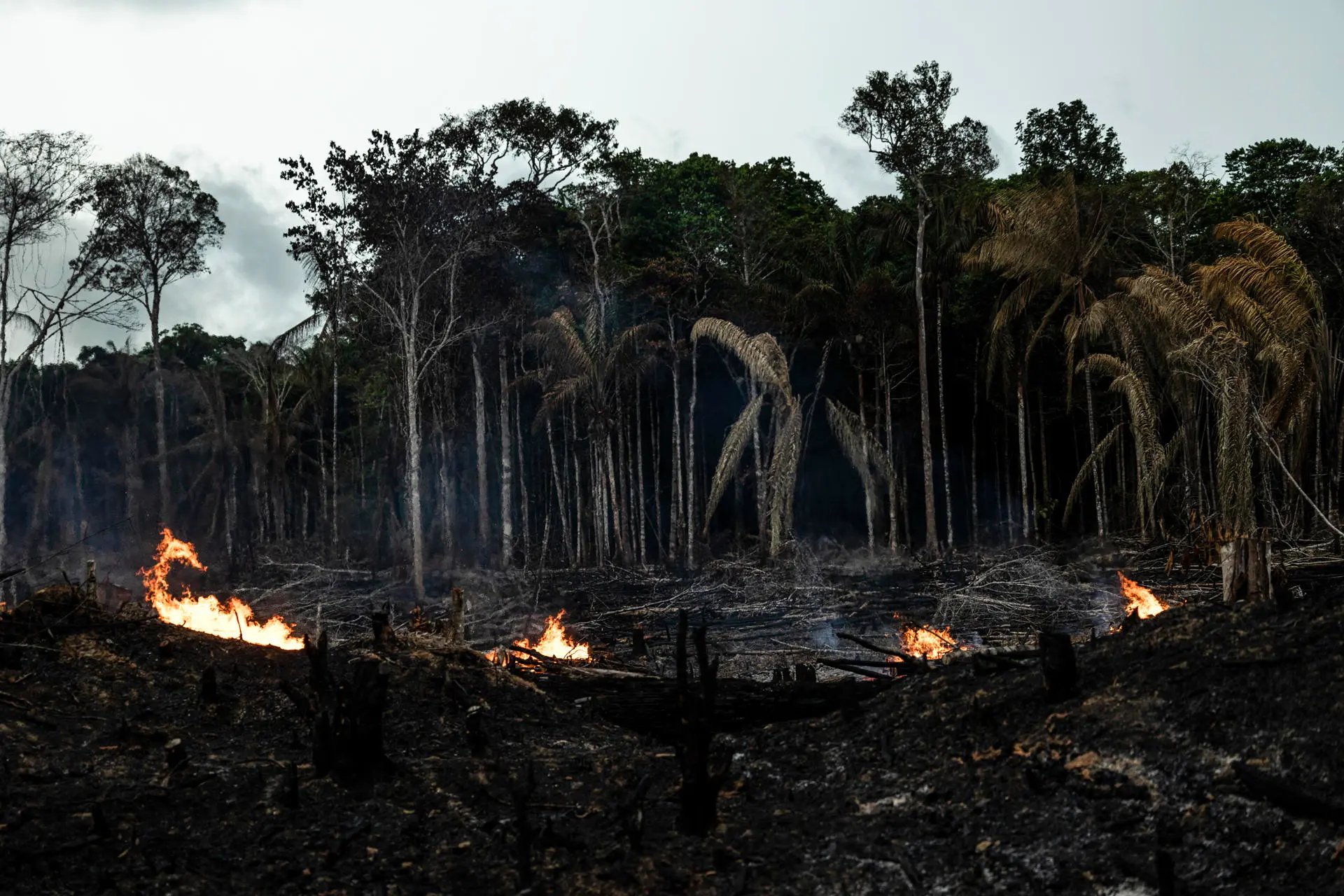
Brazil Faces Increased Wildfires Due to Super El Niño Phenomenon
The uncertainty is familiar to Salvadoran meteorologist Danilo Ramirez. “It can rain one day, and then five, six or eight days can pass without rain,” he said.
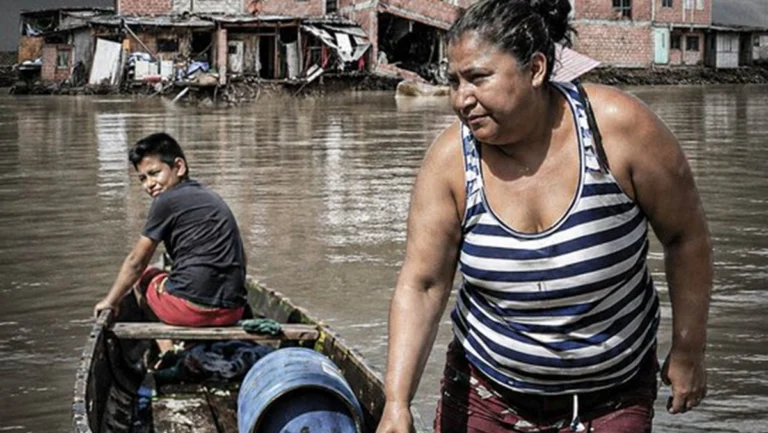
Their predicament reflects a wider challenge for Latin America as El Niño intensifies: disruptions to rainfall and temperatures are threatening the crops, water supplies and electricity systems on which livelihoods depend. The economic consequences could extend from household food shortages to weaker exports, strained power supplies and greater pressure on public resources.
PRESSURE ON FOOD AND INCOMES
In Central America’s Dry Corridor, many rural families depend on corn and beans both for food and for income from selling part of their harvest. El Salvador is one of the countries located in this corridor, one of the most vulnerable regions in the world to climate change.
Ramirez said heat and water shortages had damaged crops planted during El Salvador’s first sowing season, normally between April and June. Some farmers are now using brief spells of rain to plant again, but irregular rainfall makes their prospects uncertain.
El Salvador issued a nationwide red alert over drought in August. For farmers already struggling with losses, another poor harvest would further reduce their ability to sustain their families.
Patricio Gonzalez, a professor of agricultural climatology at Chile’s University of Talca, said the effects spread through several channels. Smaller harvests leave families with less food and less produce to sell. Reduced supplies can raise prices, while struggling farms may hire fewer workers. Farmers without reliable access to credit or financial assistance are particularly exposed, he said.
In Brazil, an official forecast for September through November points to below-average rainfall in the north and northeast and parts of central and southeastern Brazil, while parts of the south are expected to be wetter than usual.
Brazilian agricultural meteorologist Luis Renato Lazinski said contrasting conditions leave major crops vulnerable to drought in some producing areas and excessive rainfall in others. The consequences could affect both domestic supplies and the country’s agricultural exports.
In Peru, the effects are already weighing on the economic outlook. The central bank lowered its 2026 growth forecast in September from 3.4 percent to 3.2 percent, citing a greater-than-expected impact from coastal El Niño conditions.
RISKS TO POWER AND TRADE
Water shortages create another source of economic vulnerability: the electricity needed by households, businesses, and public services.
Venezuela obtains roughly 60 percent of its electricity from hydroelectric plants in the south. Ecologist Francisco Herrera warned that severe drought combined with high temperatures in that region could put substantial pressure on electricity supplies early next year.
The concern is that reduced water availability could constrain generation just as rising temperatures increase power demand.
The effects of water shortages can also reach international trade. At the Panama Canal, rainfall and water-saving measures have recently improved navigation conditions, allowing additional transit slots and a higher maximum permitted draft. The canal’s watershed, however, continues to face water shortages.
For exporters, the risks can therefore arise both at the point of production and along the route to market. Lower output can reduce shipments, while constraints on transport can complicate deliveries and increase costs.
Gonzalez said drought, flooding and prolonged heat can affect the wider economy by damaging production and disrupting water supplies, translating climate risks into pressures on employment, incomes, and prices.
The UN Economic Commission for Latin America and the Caribbean has warned that an extreme El Niño event could cause losses equivalent to at least 2 percent of Latin America and the Caribbean’s GDP and plunge an additional 4.8 million people into poverty.
TURNING WARNINGS INTO ACTION
Latin American governments face the task of addressing losses already occurring while preparing for conditions that could worsen in the coming months.
In Peru, authorities declared a 60-day state of emergency in August in 607 districts across 16 regions because of the risk of water shortages. The government has provided livestock feed, vaccines and drinking facilities, as well as water-storage facilities and small dams to help farmers cope with drought.
Venezuela has announced an electricity-saving plan and called for agricultural contingency measures. Herrera said thermal power plants could help offset reduced hydropower generation, although doing so would require more fossil fuel use and increase greenhouse gas emissions.
In Brazil, federal agencies are coordinating climate and water monitoring to support preparedness. They are also urging residents to follow official warnings, identify local risk areas and know their evacuation routes.
For El Salvador, Ramirez said the immediate priorities are ensuring supplies of staple grains, managing water carefully and protecting soil so that farms can better withstand dry conditions.
Celeste Saulo, secretary of the World Meteorological Organization, has emphasized that seasonal forecasts give countries a valuable window to prepare, and that existing knowledge and tools can help protect lives and livelihoods before hazards become crises. “El Niño does not have to be a recipe for disaster,” Saulo said.
teleSUR/ JF
Source: Xinhua