


3 Key Candidates Vie for Power in Honduras 2025 Electoral Showdown
Honduras braces for its 2025 elections as voters weigh between progressive continuity, U.S.-backed conservatism, and unpredictable centrism.
November 29, 2025 Hour: 11:07 am
🔗 Comparte este artículo
Honduras 2025 elections will shape the nation’s future as over 6.5 million voters choose between progressive continuity and U.S.-backed conservative forces.
Related: 5 Reasons Honduras Sovereignty Is Non-Negotiable, Says President Castro
Honduras 2025 Elections: A Defining Moment for Democracy and Sovereignty
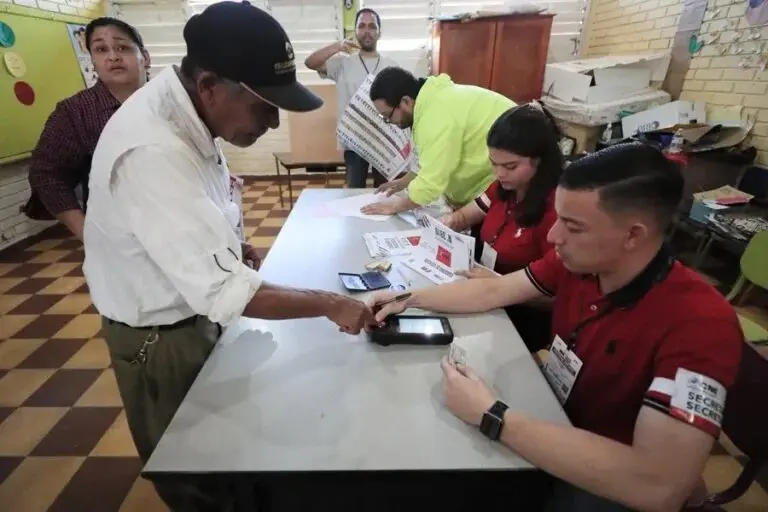
TEGUCIGALPA — On November 30, 2025, more than 6.5 million Honduran citizens will head to the polls in a high-stakes election that will determine the country’s political trajectory for years to come. Voters will elect a new president, three presidential designees, 128 national deputies, 20 regional representatives to the Central American Parliament (Parlacen), and 298 municipal councils—making this one of the most comprehensive democratic exercises in Honduras’ recent history.
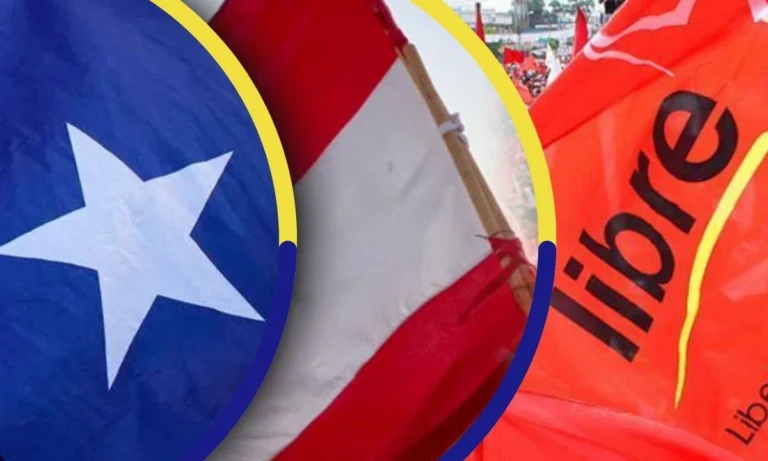
The Honduras 2025 elections come at a critical juncture. President Xiomara Castro’s administration—the first leftist government in the country’s history—is seeking to secure a second term for its political project under the banner of the Libertad y Refundación (Libre) party. But it faces fierce opposition from traditional elites and mounting external interference, including explicit U.S. backing for a conservative candidate.
“This election is not just about who governs—it’s about whether Honduras remains sovereign or returns to the era of foreign-controlled regimes,” said a political analyst in Tegucigalpa.
With five presidential candidates officially registered and polls showing a tight three-way race, the outcome hinges on a large bloc of undecided voters—between 20% and 35% of the electorate—who could tip the balance in a system where a simple majority is sufficient to win.
Honduras 2025 Elections: The Contenders and the Stakes
Five political parties have fielded candidates, but only three are considered serious contenders according to recent polling:
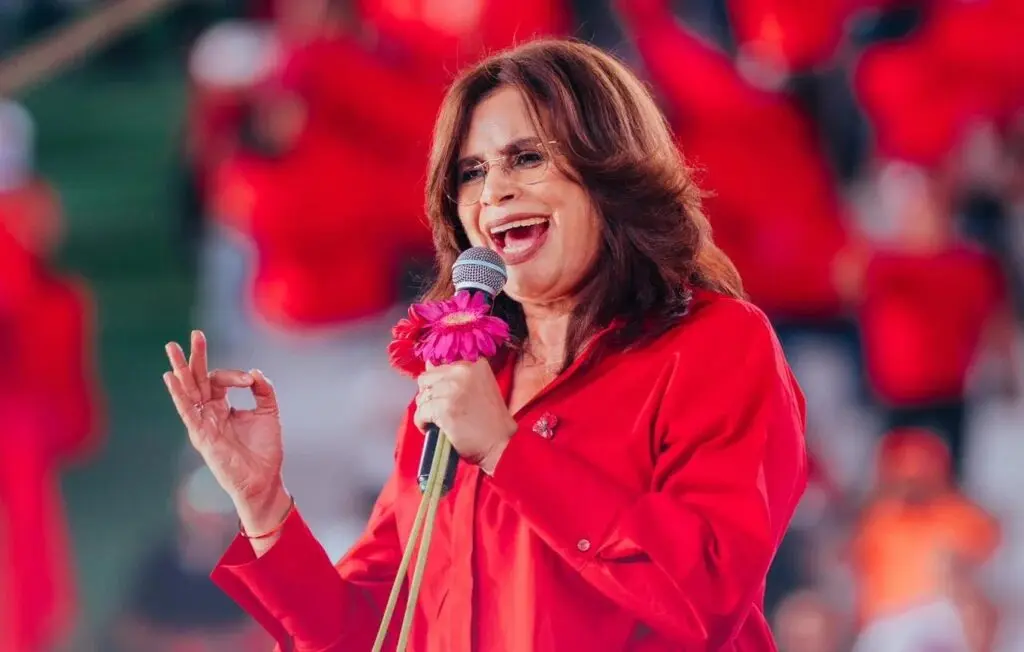
Rixi Ramona Moncada Godoy (Libre Party) represents continuity of the current government’s progressive agenda. A lawyer, former judge, and the first woman to serve as Honduras’ Minister of National Defense, Moncada has held key roles including Secretary of Finance and head of the National Electric Power Company. She played a central role in the post-2009 resistance movement against the U.S.-backed coup that ousted President Manuel Zelaya and later co-founded the Libre Party. Appointed defense minister by President Castro amid perceived threats to national sovereignty, Moncada symbolizes institutional strength rooted in popular resistance.
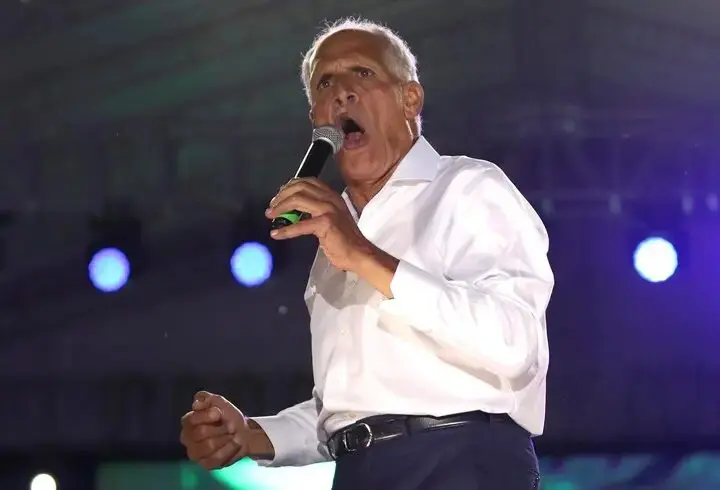
Nasry Juan Asfura Zablah (National Party), a wealthy construction magnate and former mayor of Tegucigalpa, is the candidate of Honduras’ traditional right-wing establishment. Notably, he has been publicly endorsed by former U.S. President Donald Trump, who declared Asfura the candidate Washington would support—and on whom future U.S. aid allegedly depends. Asfura’s 2021 presidential run ended in defeat, but his return is seen as an attempt to reinstall the political forces linked to ex-President Juan Orlando Hernández, now serving a U.S. prison sentence for drug trafficking and weapons smuggling. Asfura himself was named in the Pandora Papers for offshore holdings and faced corruption allegations, though charges were dismissed by Honduras’ Supreme Court in 2021.
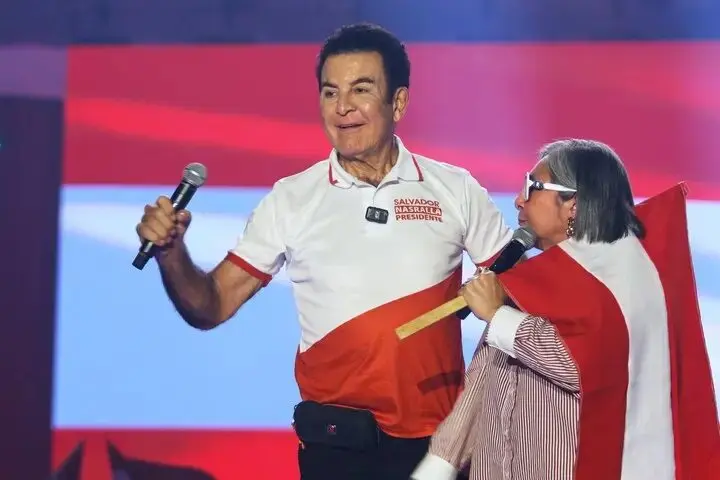
Salvador Alejandro Nasralla Salum (Liberal Party), a former TV host and engineer, presents a more unpredictable variable. Originally running as an anti-establishment figure, Nasralla joined Libre’s 2021 ticket as first presidential designate after dropping his own candidacy—only to later break with Castro’s government. Trump recently accused him of “pretending to be anti-communist just to split Asfura’s vote.” His current campaign attempts to position him as a centrist alternative, though his shifting alliances have raised questions about his consistency.
Review Honduras’ electoral framework and historical context (International Institute for Democracy and Electoral Assistance)
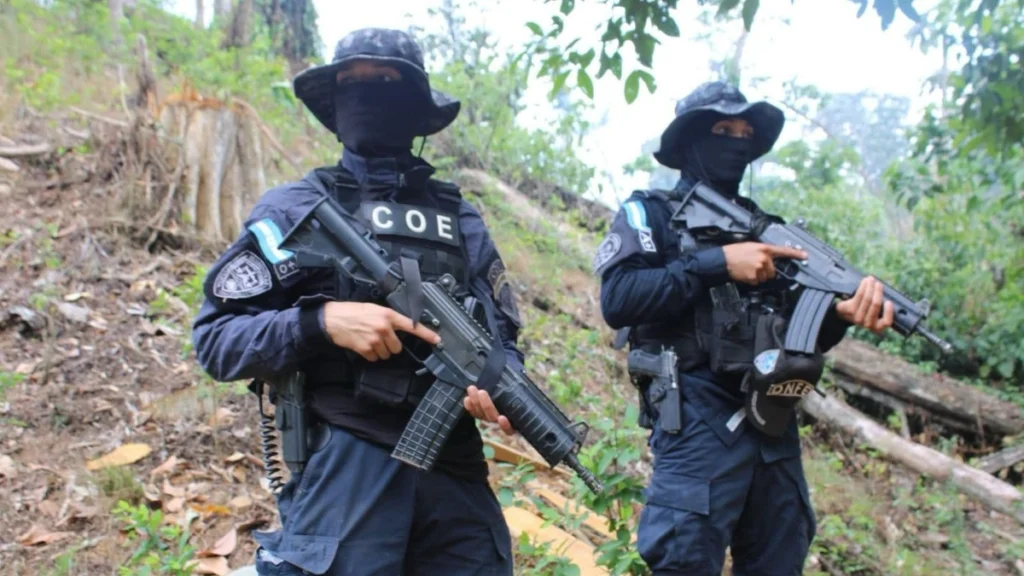
The Libre Party has issued repeated warnings about “attempts by the old bipartisan system to manipulate results” and has called on citizens to “protect the vote” through mass civic observation. Meanwhile, the government has deployed 50,000 security personnel to ensure calm and transparency—a move aimed at preventing the kind of unrest that marred past elections.
Monitor election security and integrity efforts in Central America (Organization of American States – Electoral Cooperation Secretariat)
Geopolitical Context: Honduras as a Strategic Pawn in U.S. Foreign Policy
The Honduras 2025 elections are unfolding under intense geopolitical scrutiny. Long considered a strategic U.S. ally in Central America, Honduras hosts the Soto Cano Air Base, home to hundreds of U.S. troops and a lynchpin of Washington’s regional military operations.
In prior political eras, under the leadership of both National and Liberal Party administrations, Honduras consistently functioned as an amenable and cooperative partner, actively aligning with the United States’ established policy objectives. This alignment was particularly evident in key areas such as migration control, where Honduran authorities collaborated closely with American initiatives aimed at managing population movements. Similarly, the nation played a significant role in counter-narcotics efforts, working in tandem with U.S. agencies to combat illegal drug trafficking. Furthermore, Honduras was a reliable ally in the broader geopolitical strategy of containing leftist movements across the region, reflecting a long-standing pattern of cooperation with American foreign policy.
Now, Donald Trump’s open support for Asfura signals a return to interventionist tactics. His statement that U.S. aid hinges on Asfura’s victory echoes Cold War-era strategies of conditioning assistance on political alignment. This approach has already drawn criticism from regional bodies, which warn against “electoral meddling” in sovereign nations.
For Latin America, the outcome in Honduras carries symbolic weight. A Libre victory would reinforce the “pink tide” resurgence seen in Colombia, Brazil, and Mexico. A return of the National Party—especially one backed by Washington—could signal a rollback of progressive gains and renewed U.S. dominance in the Northern Triangle.
Author: JMVR
Source: Agencias