


Haiti’s Cycle of Violence Deepens as Civil Militias Join Fight Against Gangs
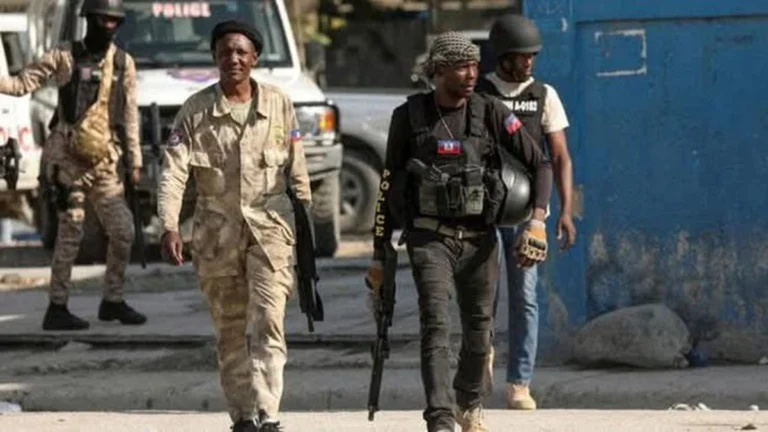
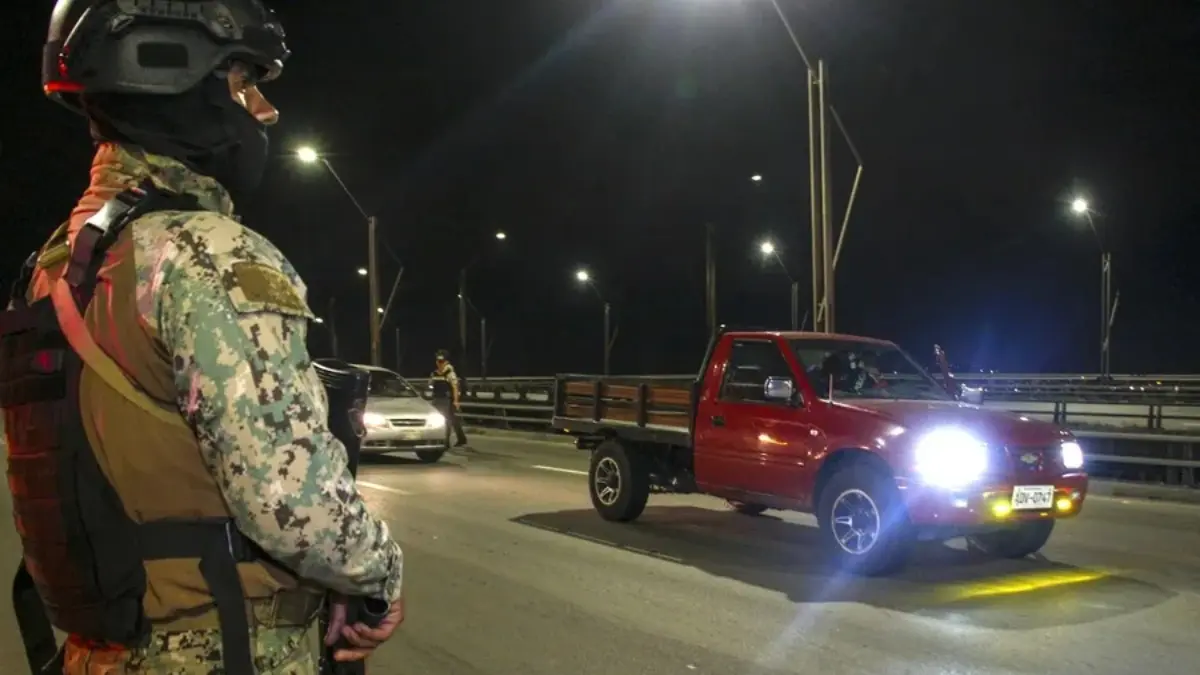
Police members in Artibonite, Haiti, Sept. 2025. X/ @InnovaNews7
September 11, 2025 Hour: 10:35 am
🔗 Comparte este artículo
‘Self-defense’ groups operate alongside police in Artibonite amid soaring death toll.
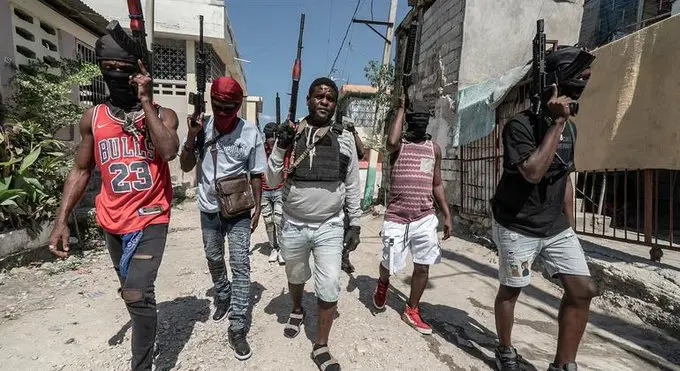
Haiti remains trapped in an endless spiral of violence, now fueled by the rise of “self-defense forces,” civilian paramilitary groups that claim to “collaborate” with state security forces.
RELATED:
Kenya’s President Ruto Urges UN to Ensure “Responsible Transition” of Haiti Security Mission
Between Sept. 4 and 5, over 15 members of the Gran Grif gang were killed in Liancourt — a “success” claimed by the National Police, in which local self-defense groups played a decisive role.
Liancourt is located about 115 kilometers (71 miles) north of Port-au-Prince, in Artibonite, one of the country’s three most populated departments.
In the first half of the year, 4,026 people were killed as a result of ongoing violence in Haiti — a figure representing a 24% increase compared with the same period in 2024.
At least 20 criminal groups, including gangs and self-defense forces, are currently active in Artibonite. The United Nations has noted that the self-defense groups describe themselves as a community response to gang attacks, but evidence shows that both actors use extreme brutality against civilians.
Despite mounting criticism of the Liancourt self-defense groups, residents say all their hopes rest on them.
Symbiosis Between Police and Self-Defense Forces
In August, a self-defense group called “Resistance” emerged with the stated goal of “doing everything possible to collaborate with the Haitian National Police” to prevent the Gran Grif gang, led by Lucson Elan, from “taking control of the local police station.”
A man in his 20s, who identified himself as a Resistance member, spoke in front of the Liancourt police station. Wearing a yellow T-shirt and a black cloth covering his head, face and neck, leaving only his eyes visible, he said:
“We lack combat equipment, but with the scarce means we have, we are holding out so far. To stop the advance of the armed gangs, we would need enough personnel and the necessary equipment.”
The self-defense brigades are armed with machetes, knives and firearms, including rifles recovered in clashes with gangs. In Liancourt, Resistance members are active day and night, guarding every crossroads gangs could use to expand into new areas. They claim responsibility for maintaining the police station, even feeding the officers, who in exchange allegedly allow them to use police weapons.
The Haitian National Police does not acknowledge the existence of such self-defense groups, much less any association with them. The institution maintains only that it works “in collaboration with the population” to combat armed gangs that spread death and destruction across the country.
The text reads, “Artibonite: Displaced families, abandoned to hunger, fear, and precariousness.”
Bullets Replace Rice Fields
Artibonite is one of Haiti’s main agricultural regions, known for its rice paddies. Farmers have fallen victim to theft and extortion, forcing them to abandon their towns en masse and seek refuge in urban centers, severely affecting the country’s rice production.
During the 2015 legislative elections, new armed groups appeared in the region, backed by candidates who sought to gain power with their help. Self-defense forces emerged in response to this armed violence, and today nearly every municipality — and even most localities — has one.
At least 20 criminal groups, including gangs and self-defense brigades, operate in Lower Artibonite, according to a 2023 report on Haiti’s insecurity by the United Nations Integrated Office in Haiti (BINUH).
Between April 1 and June 30, 2025, at least 1,520 people were killed and 609 wounded amid violence involving gangs, self-defense groups, civilians and security forces, according to BINUH’s latest report.
At least 16% of these incidents occurred in Artibonite, while 77% took place in the metropolitan region of Port-au-Prince, which gangs control in at least 85% of its territory.
teleSUR/ JF
Source: EFE