







Guinea-Bissau Postpones Elections Until November 2028
The military junta in Guinea-Bissau has postponed general elections until November 2028, citing a lack of technical and legal safeguards following recent constitutional reforms.
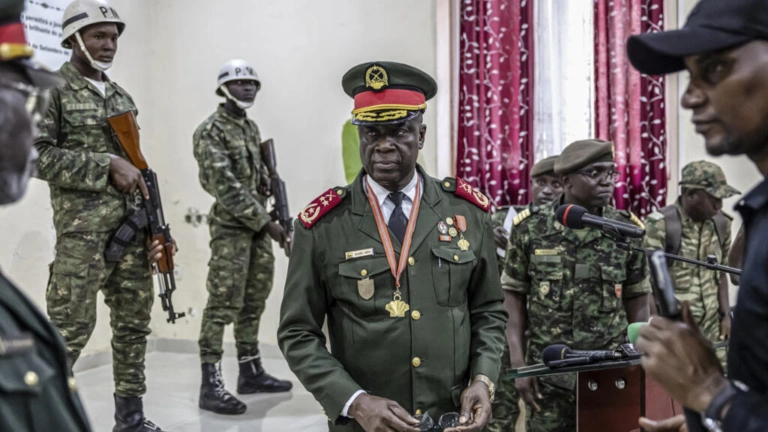
General Horta Inta’a heads the transitional government in Guinea-Bissau, one year after seizing power in a coup d’état. Photo: PL (archive)
November 26, 2026 Hour: 1:47 pm
🔗 Comparte este artículo
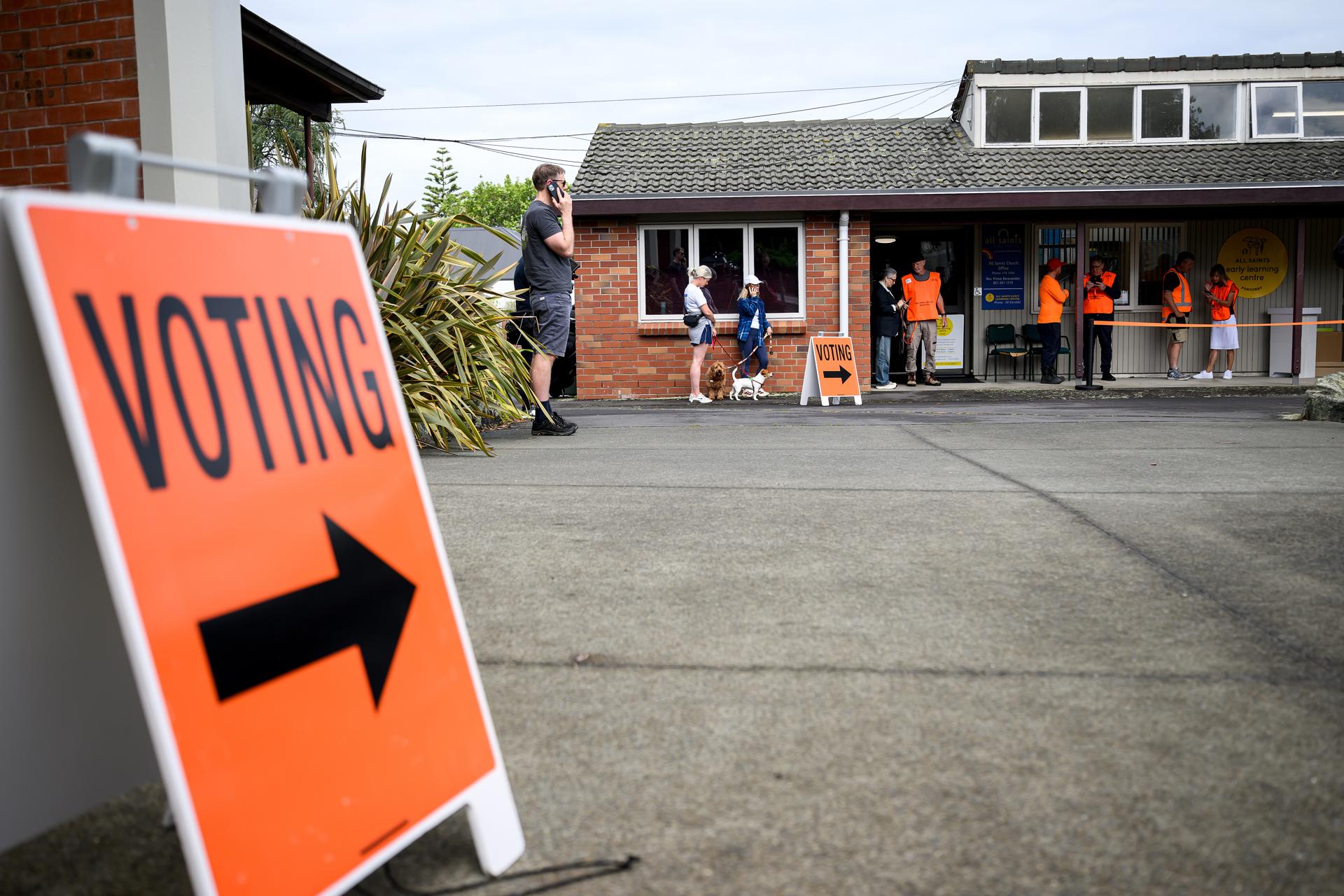
General Horta Inta’a, leader of the military junta governing Guinea-Bissau, has set November 26, 2028, as the date for presidential and legislative elections. A decree issued this Thursday—exactly one year after the coup d’état—revoked the previously scheduled date of December 6, 2026, for the general elections.
RELATED:
ECOWAS Condemns Coup in Guinea-Bissau and Demands Restoration of Constitutional Order
According to the official document, the November 26, 2028, date was chosen to allow for a re-evaluation of the electoral calendar, in coordination with relevant institutions and other stakeholders, with the aim of identifying and establishing the necessary conditions for the process.
The decree noted that holding elections without fully meeting all requirements could compromise the regularity, transparency, inclusivity, and credibility of the electoral process, as well as the trust of citizens and political actors.
The postponement stems from a combination of operational and legal factors. These include the expiration—on October 6—of the deadline for registering candidacies with the Supreme Court, the failure of several political parties to hold internal congresses, and technical and logistical shortcomings within the electoral body.
Furthermore, the original timeline conflicted with stricter requirements introduced following a constitutional referendum in August 2026. This reform raised the presidential candidacy deposit to 50 million CFA francs (approximately 76,200 euros), mandated that political parties demonstrate a minimum membership of 5,000—with at least 300 members per region—and reduced the number of parliamentary seats from 102 to 65, while limiting the number of constituencies to twelve.
The military junta cited the failure to meet these legal requirements as the formal justification for suspending the scheduled elections. The military seized power on November 26, 2025, after ousting the then-president, Umaro Sissoco Embaló.
The coup took place three days after the general elections—before the results had been announced—leading to the suspension of the electoral process and the appointment of Horta Inta’a as transitional president. Since then, the junta has promoted a new Constitution.
Author: HGV
Source: Telesur/Africa News