


G7 Finance Ministers Seek to Stabilize Hydrocarbon Markets
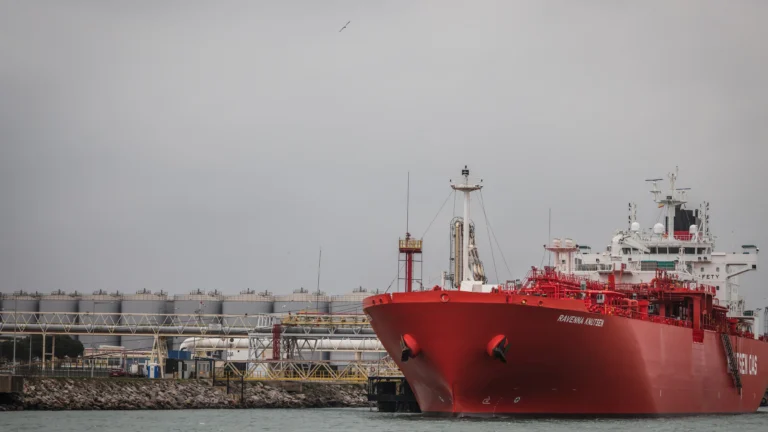
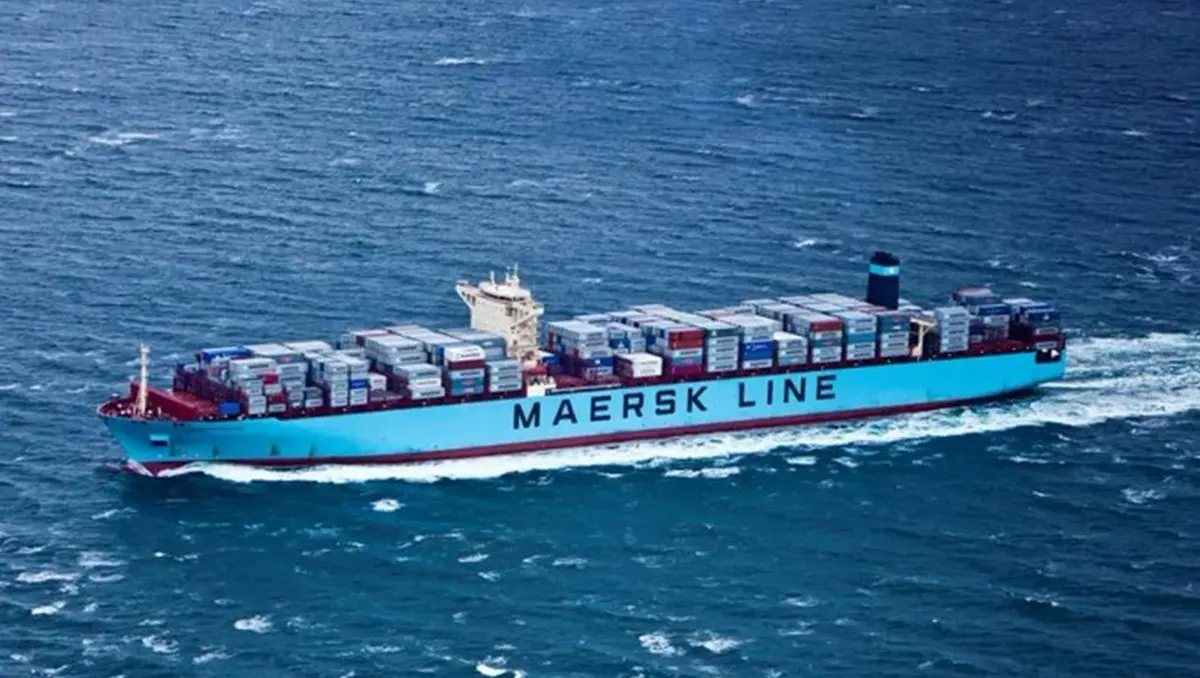
Oil ship in the Strait of Hormuz. X/@RTB_io.
March 9, 2026 Hour: 1:49 pm
🔗 Comparte este artículo
The closure of the Strait of Hormuz has prompted price increases.
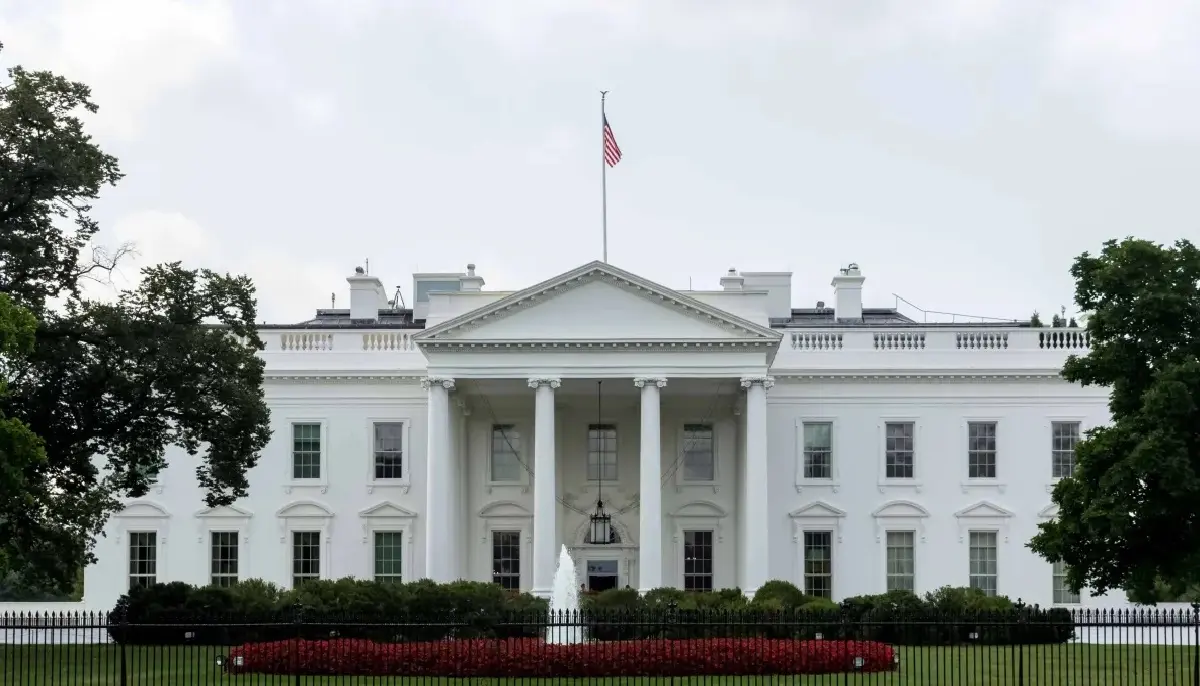
On Monday, the Finance Ministers of the G7 group agreed to take “all necessary measures” to stabilize hydrocarbon markets affected by the U.S.-Israeli war on Iran.
RELATED:
Fears of Strait of Hormuz Closure Drive Energy Shock
French Finance Minister Roland Lescure, the G7’s rotating president, explained that they would “closely examine” how to stabilize energy flows, including the possible release of strategic oil and gas reserves.
He noted that there are “no supply problems” in Europe or the United States, but attacks on oil facilities in the Persian Gulf and the ‘de facto’ closure of the Strait of Hormuz have generated “sharp price increases.”
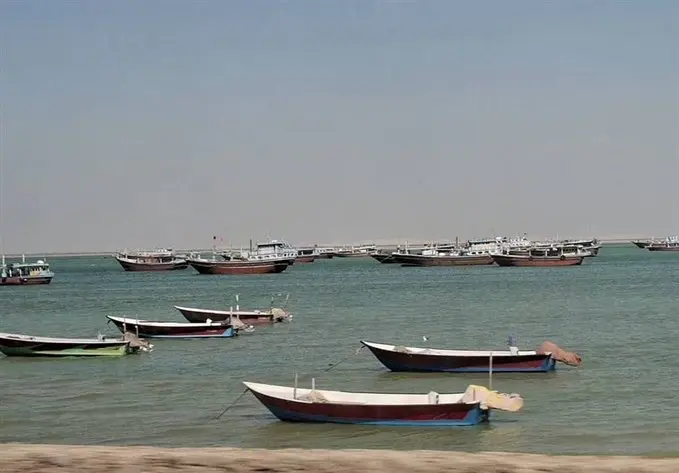
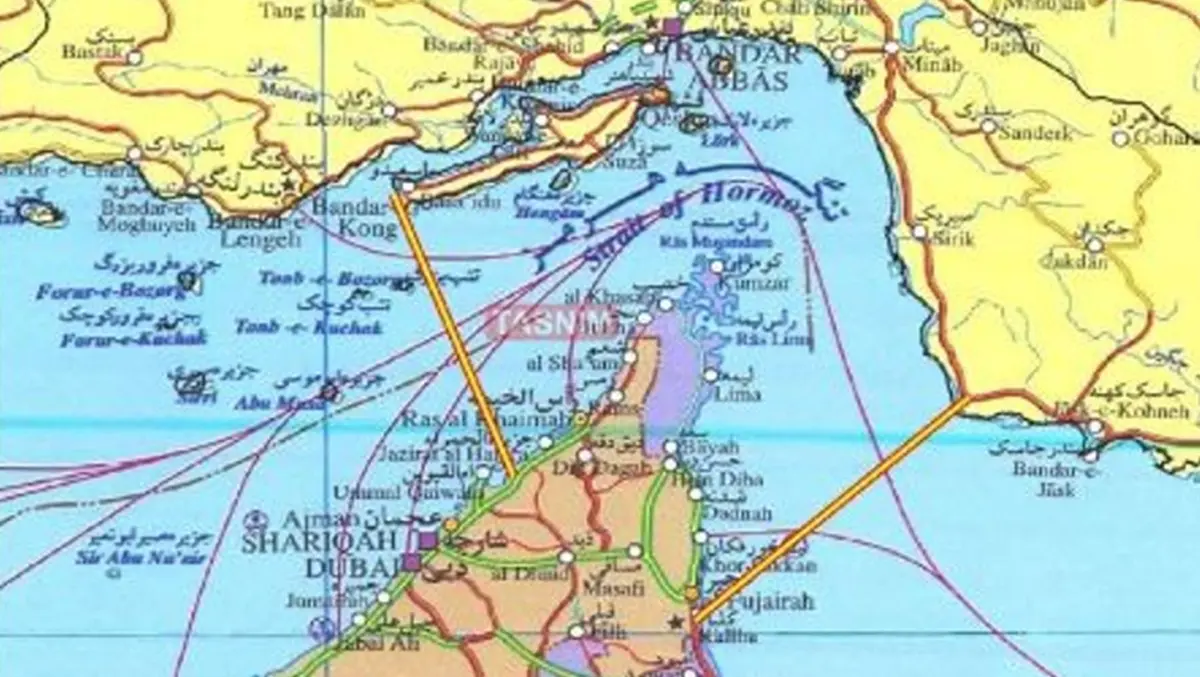
Currently blocked by Iran, the Strait of Hormuz is a waterway through which one-fifth of the world’s hydrocarbons pass, mainly destined for the Asian market.
Brent crude, the European benchmark, surpassed US$119 a barrel, rising more than 30% and adding to the 20% increase accumulated last week.
Members of the International Energy Agency (IEA), including the G7, must maintain reserves equivalent to 90 days of imports to respond to supply crises, a requirement met by all except Australia. Currently, Spain has reserves for 96 days, with 56 held by industry and 40 under public control.
Since its creation in 1973, the IEA has drawn on its strategic reserves five times, the last two in March and April 2022, during the energy crisis caused by the Ukrainian conflict.
The Strait is also an anchor point for the energy, fertilizer, mineral, and food supply chain: one-third of the global nitrogen fertilizer trade, essential for food production, passes through Hormuz.
teleSUR: JP
Source: EFE