







7 Powerful Signs Fujimori protests Are Surging in Peru Ahead of the Runoff
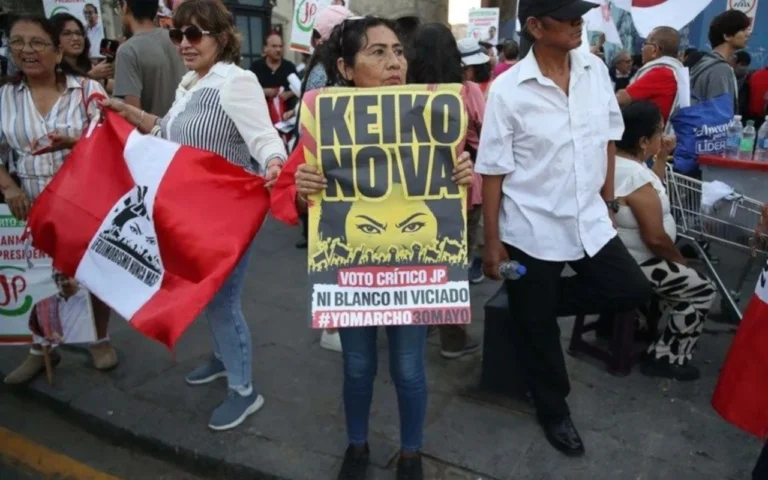
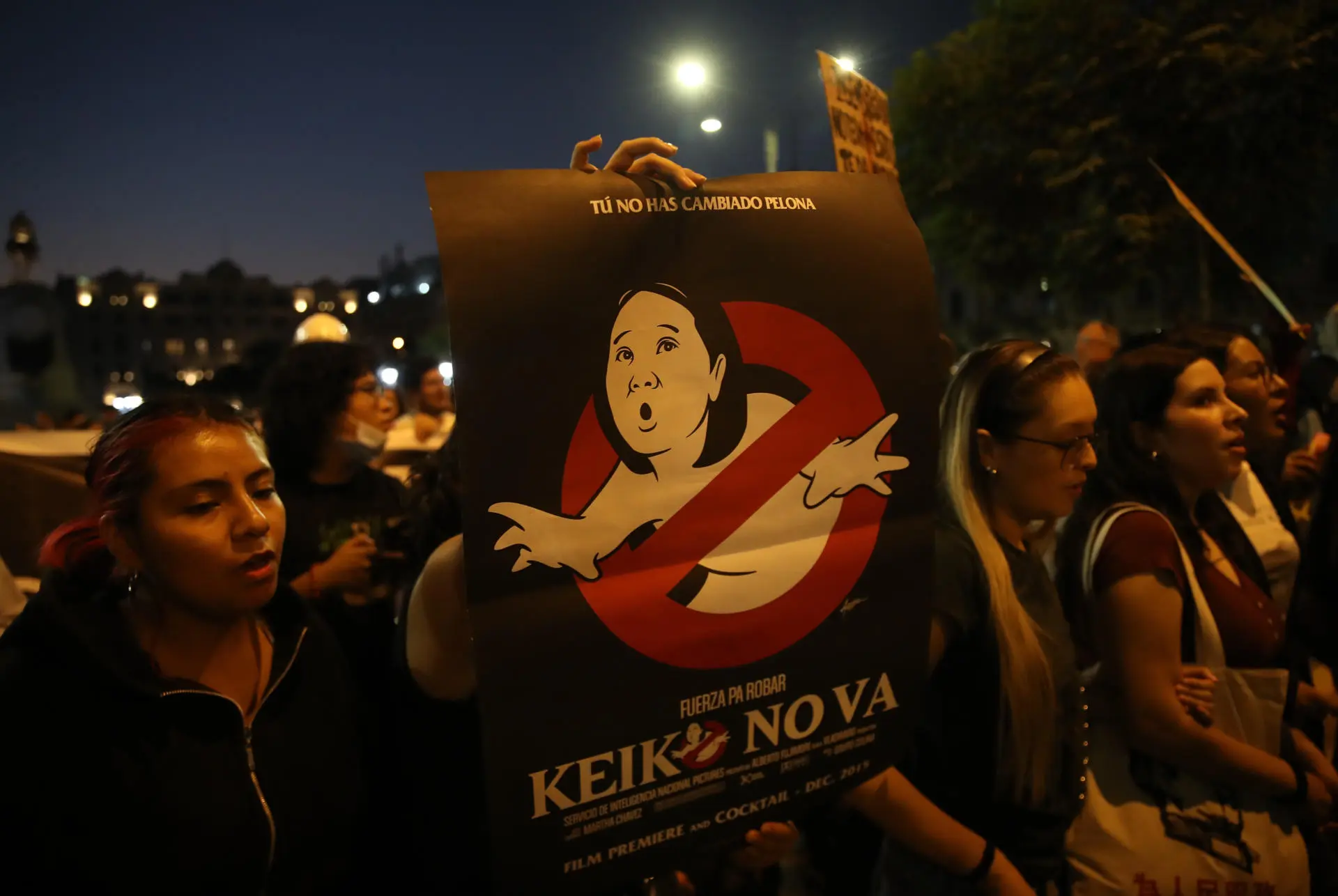
Citizens march in Lima under the slogan “Fujimori never again” ahead of Peru’s presidential runoff.
May 31, 2026 Hour: 12:57 pm
🔗 Comparte este artículo
Fujimori protests grow in Peru as citizens reject Keiko Fujimori’s candidacy, denounce repression, and demand social justice before the June 7 runoff.
Related: Thousands March in Peru Against Presidential Candidate Keiko Fujimori
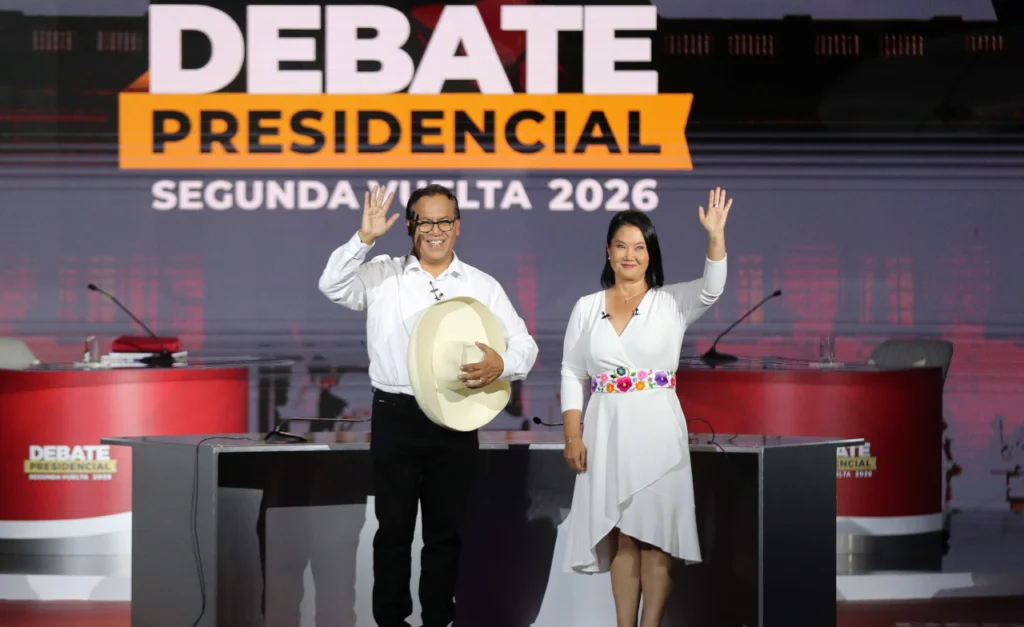
Fujimori protests filled the streets of Lima this Saturday as Peruvian citizens mobilized against the presidential candidacy of conservative leader Keiko Fujimori ahead of the June 7 runoff against left-wing contender Roberto Sánchez. The demonstrations carried a clear political and historical message: no more Fujimorism, no more repression, and no more inequality.
Fujimori protests and rejection of the Fujimori legacy
Fujimori protests brought together a broad coalition of social and political sectors, including left- and center-left parties, trade unions, students, retirees, and relatives of victims of state violence. The march reflected deep opposition to the legacy of Alberto Fujimori, whose government is blamed by critics for privatization policies, social fracture, and grave human rights abuses. For many protesters, Keiko Fujimori represents continuity rather than change.
The slogan repeated throughout the mobilization was blunt: “Neither blank nor spoiled, Fujimori never again.” That message captured both electoral rejection and moral disapproval of the political model associated with the Fujimori family. Protesters argued that the old neoliberal order still shapes Peru’s institutions and public life.
Keiko Fujimori is widely seen by her opponents as the heir to a political project that benefited economic elites while weakening the rights of Indigenous communities and workers. The rallies in Lima turned that critique into a street-level warning ahead of the runoff. Demonstrators framed the election not simply as a contest between candidates, but as a decision over the country’s democratic direction.
One of the strongest voices in the march was Jorge Pizarro, a member of the Assembly of the Peoples. In a live broadcast, he said Lima had “stood up” one week before the vote and noted that social and political organizations had signed a commitment with Roberto Sánchez to confront Peru’s political and social crisis. His remarks linked the protests directly to the broader anti-establishment campaign.
Fujimori protests, repression, and public memory
The demonstrations also revived painful memories of state violence during the Alberto Fujimori years. Participants denounced massacres and repression carried out under that government, arguing that the consequences of those years still shape Peru’s politics and social tensions. The protest was not only about one candidate, but about a historical struggle over accountability and memory.
Pizarro also accused Keiko Fujimori of being linked to recent repression under President Dina Boluarte, citing the deaths of around 50 Peruvians in Puno, Ayacucho, and other regions. That accusation gave the demonstrations an immediate present-day dimension, connecting the protest movement to current anger over human rights abuses and state response to unrest. In this reading, Fujimori protests were about both the past and the present.
The march passed through San Martín Square, several major avenues in the capital, and ended near the Congress and the Palace of Justice. Those institutions were singled out by demonstrators as symbols of a political system they say has been captured by Fujimorismo. The route itself turned central Lima into a stage for political memory and public dissent.
Organizers said the concentration in Lima was important because the capital remains the country’s main political and media center. By gathering there, protesters sought visibility in a campaign environment heavily influenced by national television and elite political narratives. The message was designed to reach beyond the streets and into the public debate.
Political stakes ahead of the runoff
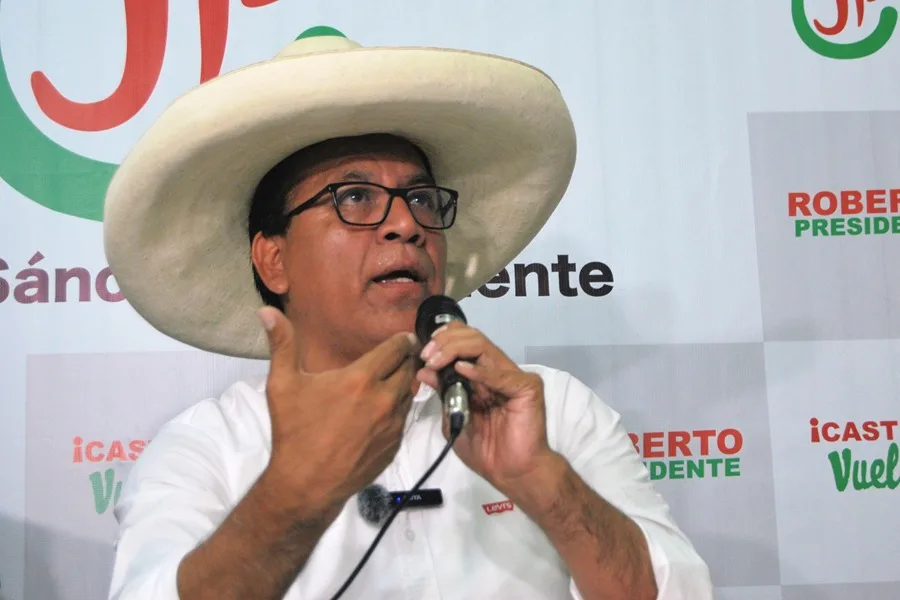
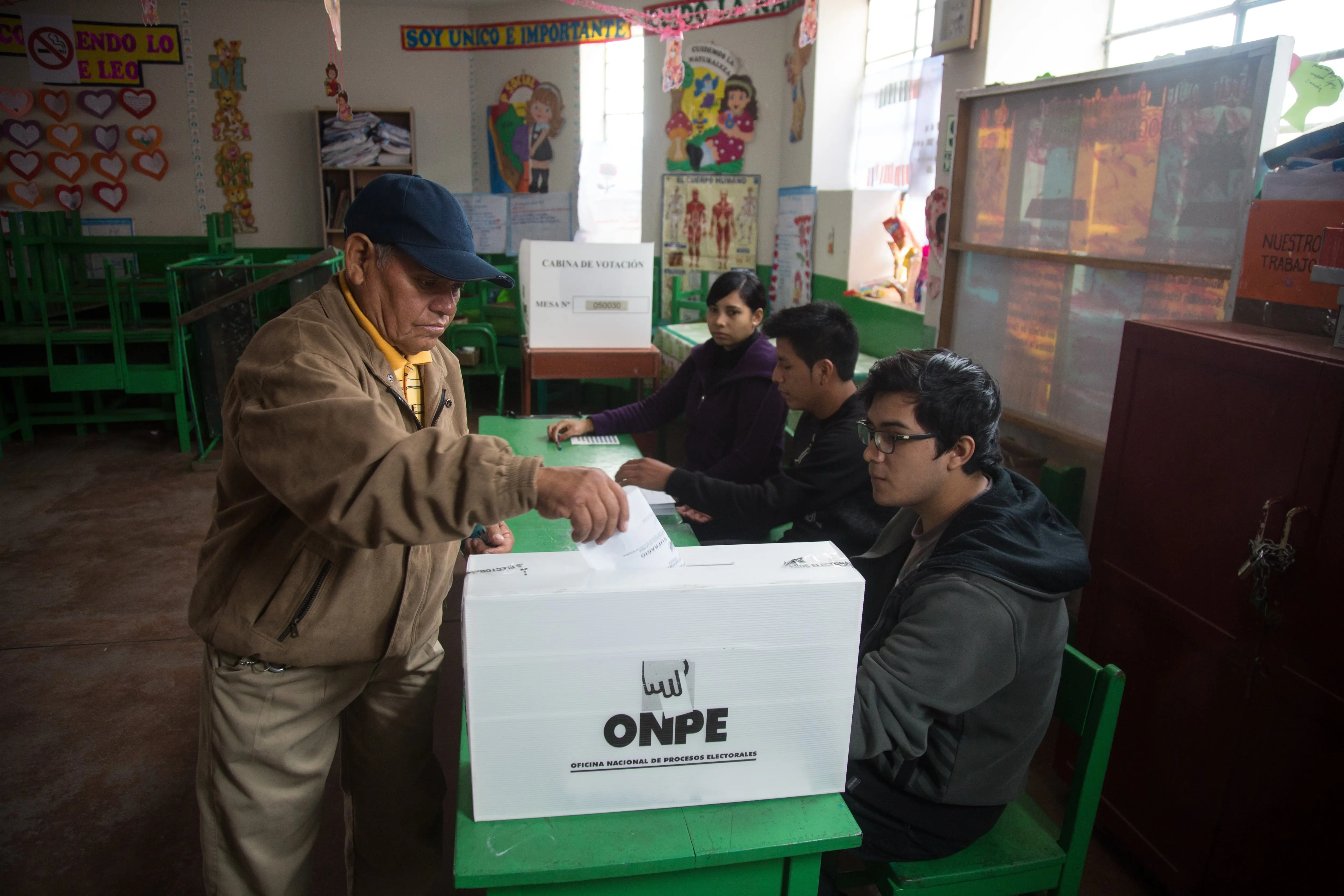
Fujimori protests come at a decisive moment in Peru’s electoral calendar. Keiko Fujimori is set to face Roberto Sánchez in the second round on June 7, and the result will likely determine not only the next president but also the balance between continuity and reform. For the protest movement, the runoff is a chance to block what it sees as a return to authoritarian habits and economic exclusion.
Roberto Sánchez has signed a public commitment to fight insecurity, corruption, poverty, and human rights violations. His campaign also promotes economic proposals that have attracted support from different social sectors. That endorsement has helped turn the anti-Fujimori vote into a broader coalition of resistance.
The first round was won by the right, which has intensified mobilization among popular sectors and opposition groups. Many demonstrators see the runoff as a final opportunity to stop a political restoration they believe would deepen Peru’s social crisis. The stakes are especially high in a country marked by repeated political instability and weak trust in institutions.
The central demand from the marches was not complicated: no more Fujimorism, no more repression, no more inequality. That message linked electoral strategy with the broader social frustration accumulated over years of conflict, corruption allegations, and uneven development. In that sense, Fujimori protests have become a shorthand for a wider demand for democratic change.
Geopolitical context
Peru’s runoff is being watched closely across Latin America because it reflects a broader regional struggle between conservative continuity and left-leaning alternatives. Fujimori protests show how memory politics, democratic legitimacy, and social inequality remain central themes in South American elections. The outcome may influence how neighboring governments and regional organizations interpret the strength of anti-neoliberal movements.
The vote also matters beyond Peru because it speaks to the durability of political dynasties in a region still shaped by elite power networks. If the Fujimori name returns to power, it would reinforce a regional pattern of conservative resilience; if it is rejected, it would signal that grassroots mobilization can still reshape national politics. Either way, the runoff carries significance well beyond Lima.
Author: JMVR
Source: Agencias