







Former Bangladeshi PM Denounces Fraud and Violence in Elections
X/@Reuters.
February 12, 2026 Hour: 1:30 pm
🔗 Comparte este artículo
Sheikh Hasina said there were intimidation and attacks against supporters of her Awami League party.
On Thursday, Former Bangladeshi Prime Minister Sheikh Hasina denounced the general elections carried out in the country as “marred by vote-buying, shootings, and low voter turnout.”
RELATED:
Bangladesh Deploys Nearly One Million Officers on Elections’ Eve
Hasina, who is under the protection of the Indian Government to avoid a death sentence for “crimes against humanity,” stated that there were takeovers of polling stations, intimidation, and attacks against supporters of her Awami League Party.
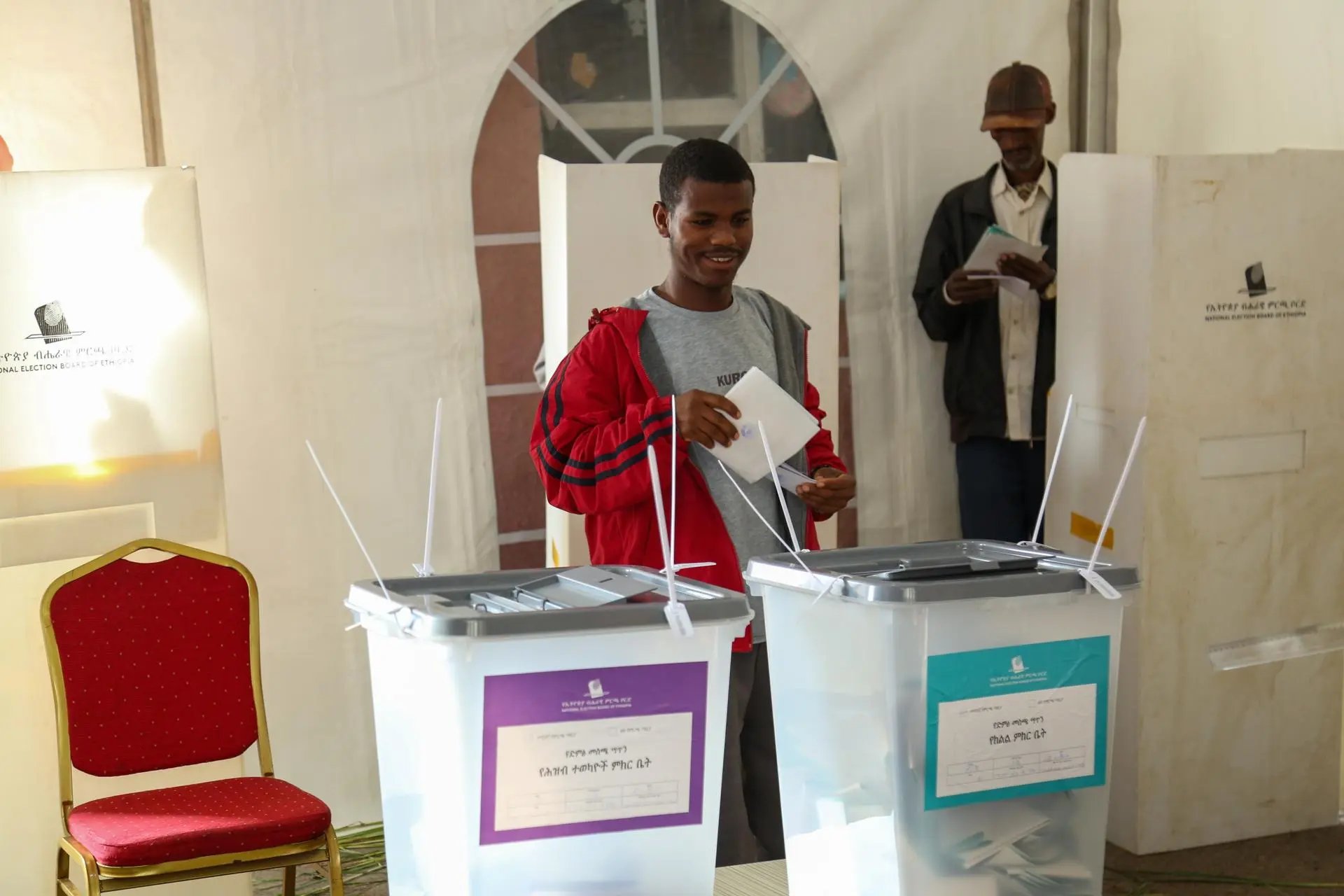
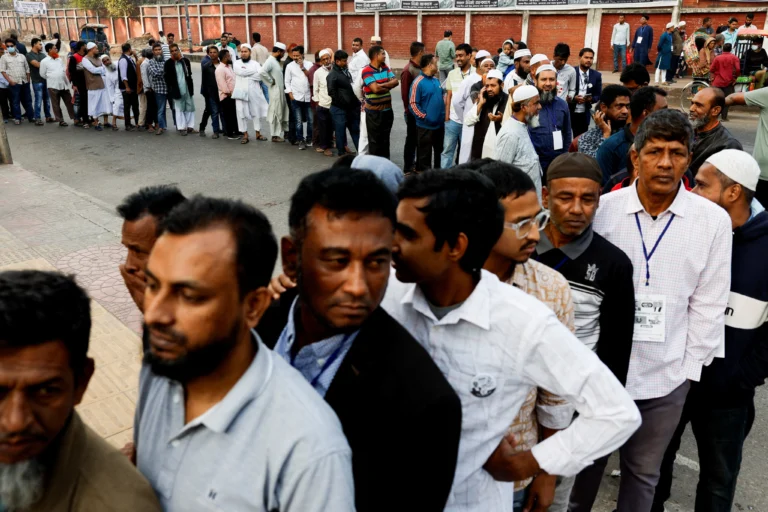
However, the interim government acknowledged a “festive atmosphere” and the absence of political violence. Polling stations closed at 4:30 PM, and the vote count for the elections and constitutional referendum began.
The head of the Election Commission (EC), Nasir Uddin, reported a 47.91% turnout at 2:00 PM, calling it a sign of confidence. Elections will determine the end of the interim administration of Nobel Peace Prize laureate Muhammad Yunus and the political victory between the Bangladesh Nationalist Party (BNP) and the Jamaat-e-Islami Party.
Hasina demanded the cancellation of the election, Yunus’s resignation, the release of political prisoners and journalists, the withdrawal of fake charges, the restoration of voting rights, and the reactivation of the Awami League’s activities.
The EC confirmed the start of the vote count in 42,779 polling stations to elect representatives from 299 constituencies, after postponing one seat due to the death of a candidate.
Although there were isolated incidents, such as an explosion of a homemade device that injured three people, authorities and political parties agreed in describing the day as “calm,” with no deaths due to political violence.
More than 2,000 candidates and 127 million registered voters participated, under the largest national security operation in the country’s history. The international community closely monitored the elections, with 400 observers, including representatives from the European Union (EU), and 197 foreign journalists.
Bangladeshis also voted in a referendum on the “July National Charter,” constitutional reforms born out of the student uprising, intended to prevent future leaders from accumulating absolute power.
teleSUR: JP
Source: EFE