Europeans Rise Up in Resistance to Austerity Measures
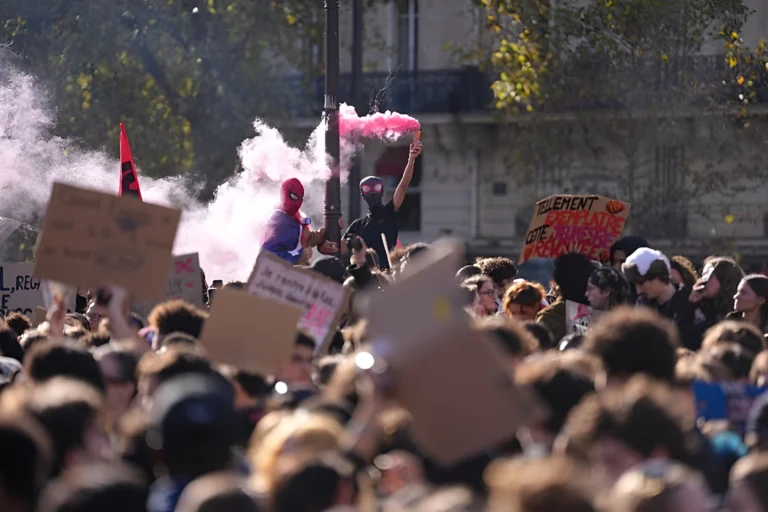
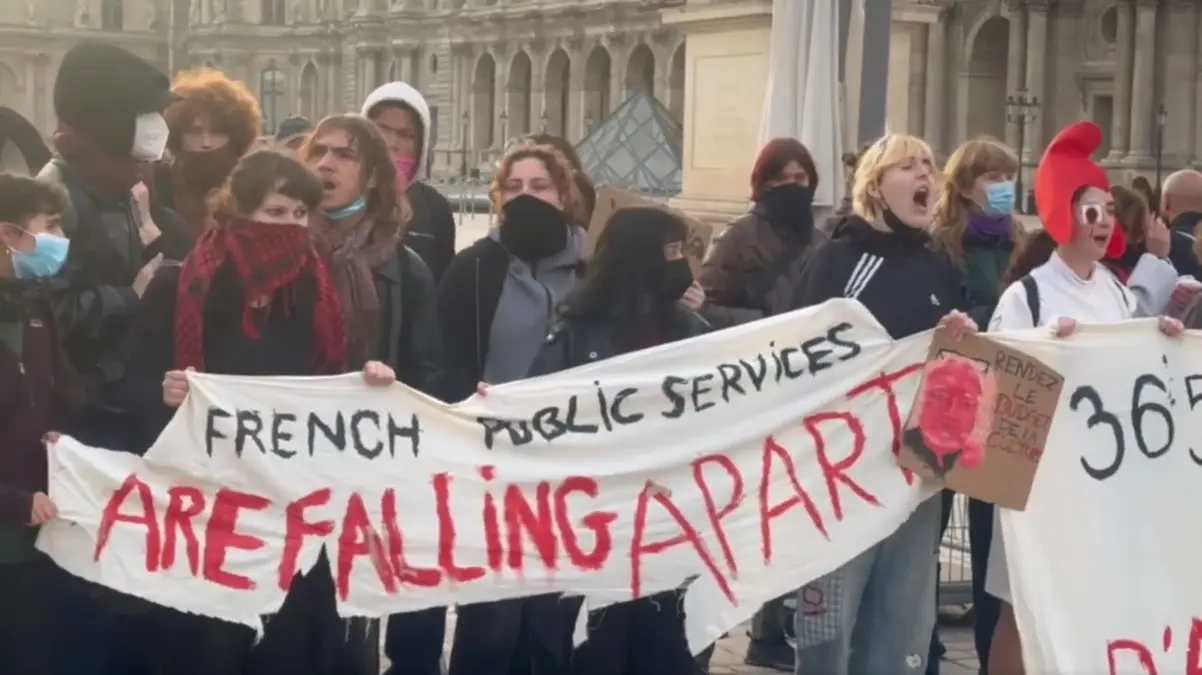
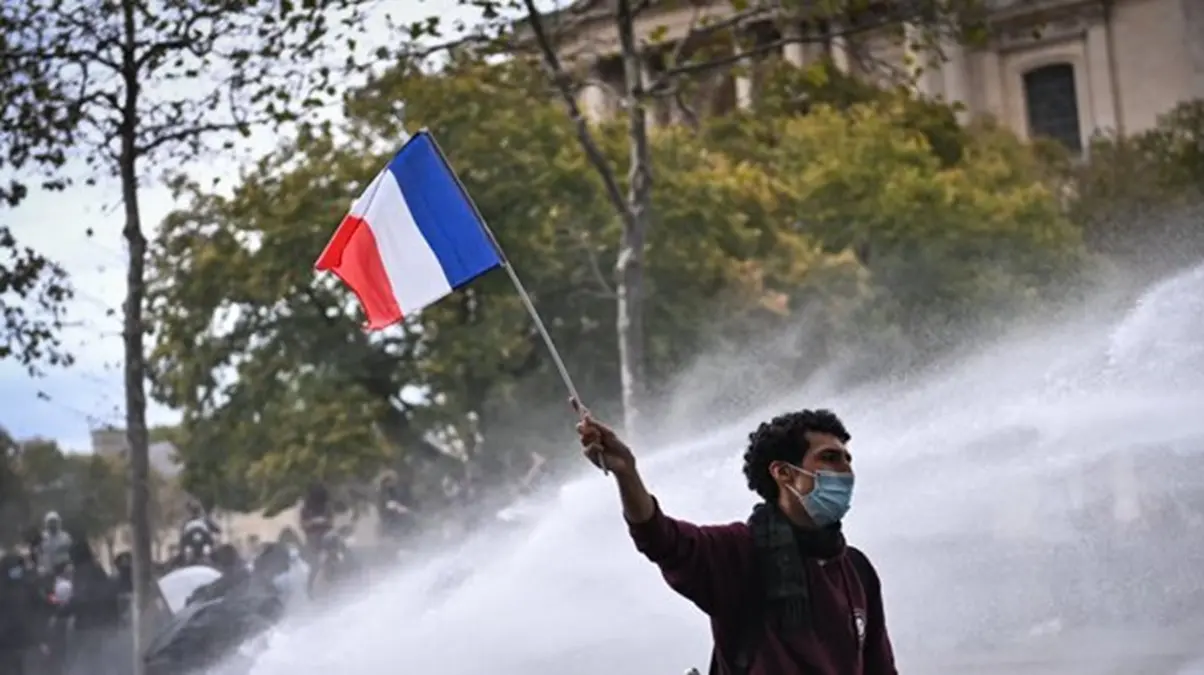
Student demonstration in Paris, France, in October 2026. Photo: AP
October 19, 2026 Hour: 2:55 pm
🔗 Comparte este artículo
Unrest across eight countries reveals a growing working-class rejection of public spending cuts.
Across Europe, a widespread wave of public protests and labor strikes unfolded during September and October 2026. Demonstrations took place in major urban hubs across France, Belgium, Italy, Albania, Greece, Spain, Portugal, and Germany.
RELATED:
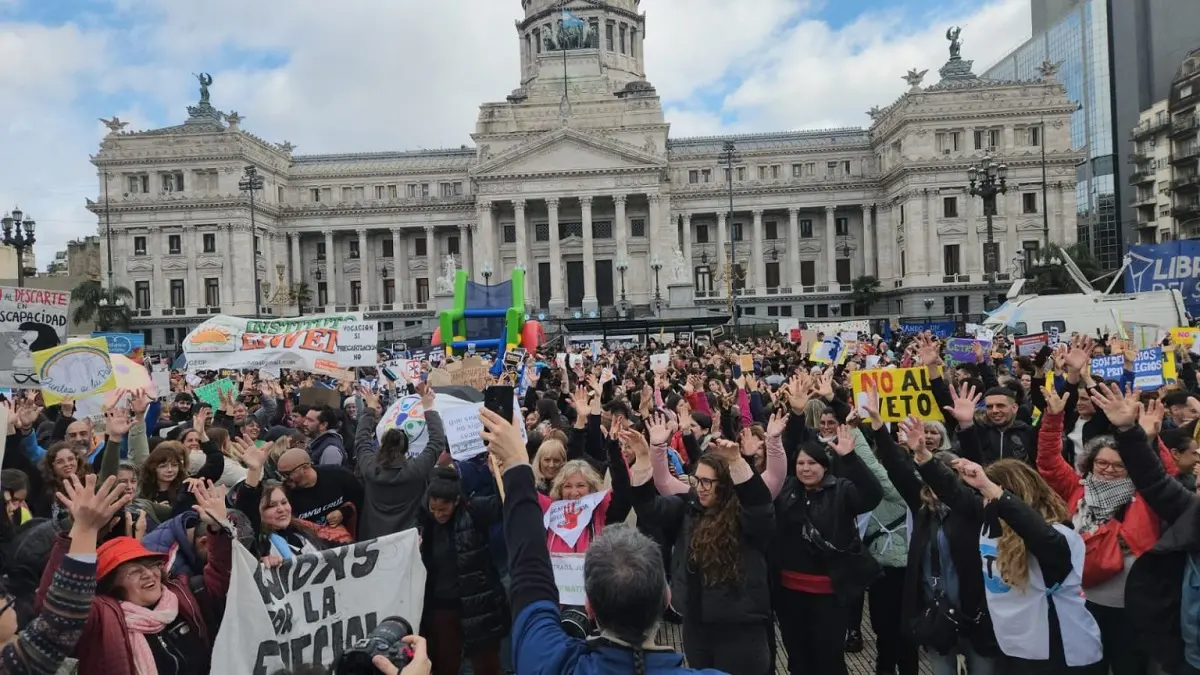
Madrid Protesters Unite to Defend Housing and Public Education
While individual mobilizations emerged from specific domestic triggers, the overarching unrest reflects a shared socioeconomic environment characterized by declining purchasing power, public budget austerity, rising energy prices, and real estate speculation.
The economic backdrop of late 2026 includes sustained structural pressure on working-class households. Energy market shifts driven by international conflicts significantly escalated fuel and electricity costs across the continent, directly inflating the cost of basic consumer goods.
In urban centers, market-driven housing policies and real estate deregulation led to steep increases in residential rents, outstripping wage growth and increasing housing insecurity for young workers and low-income families.
Mainstream institutional coverage frequently characterizes these events through a lens of isolated public order disturbances or temporary economic grievances.
Labor organizations, tenant unions, student groups, and neighborhood alliances have increasingly framed their demands around public resource protection, wage indexation, market regulation, and social welfare preservation.
Roots of the Uprising: Albania, Spain, and France
Albania: The Vjosa-Narta Resistance and Sazan Island Mobilizations
In Albania, mass demonstrations began in May 2026 following public controversy surrounding large-scale real estate and luxury tourism developments along ecologically sensitive coastal zones, related to the family of United States President Donald Trump.
Known as the Flamingo Revolution, the protests were initially triggered by foreign investment proposals backed by international private equity firms, including United States-based entities.
These proposals targeted protected areas in the Vjosa-Narta lagoon delta and Sazan Island, a former military territory off the coast of Vlorë.
The movement escalated after an incident on May 30, 2026, when private security personnel physically removed local environmental activists at a development site in Zvërnec.
By June, demonstrations expanded from coastal municipalities into the capital, Tirana. Organized primarily by environmental groups, university student assemblies, and grassroots youth coalitions, the protesters demanded an immediate halt to coastal land privatization, the enforcement of environmental protections under European Union standards, and the resignation of Prime Minister Edi Rama.
On June 9, 2026, tens of thousands gathered in central Tirana. In response, Prime Minister Edi Rama publicly dismissed the critique regarding foreign capital involvement, stating in June that the international scrutiny was primarily driven by high-profile political names associated with the investment project rather than environmental policy.
Throughout July and August 2026, daily civic actions maintained a continuous presence in Tirana, marking 100 consecutive days of anti-government demonstrations by September 8, 2026. By mid-September, the focus expanded as university and high school student assemblies joined the broader movement to protest rising living costs, tuition increases, and systemic public corruption.
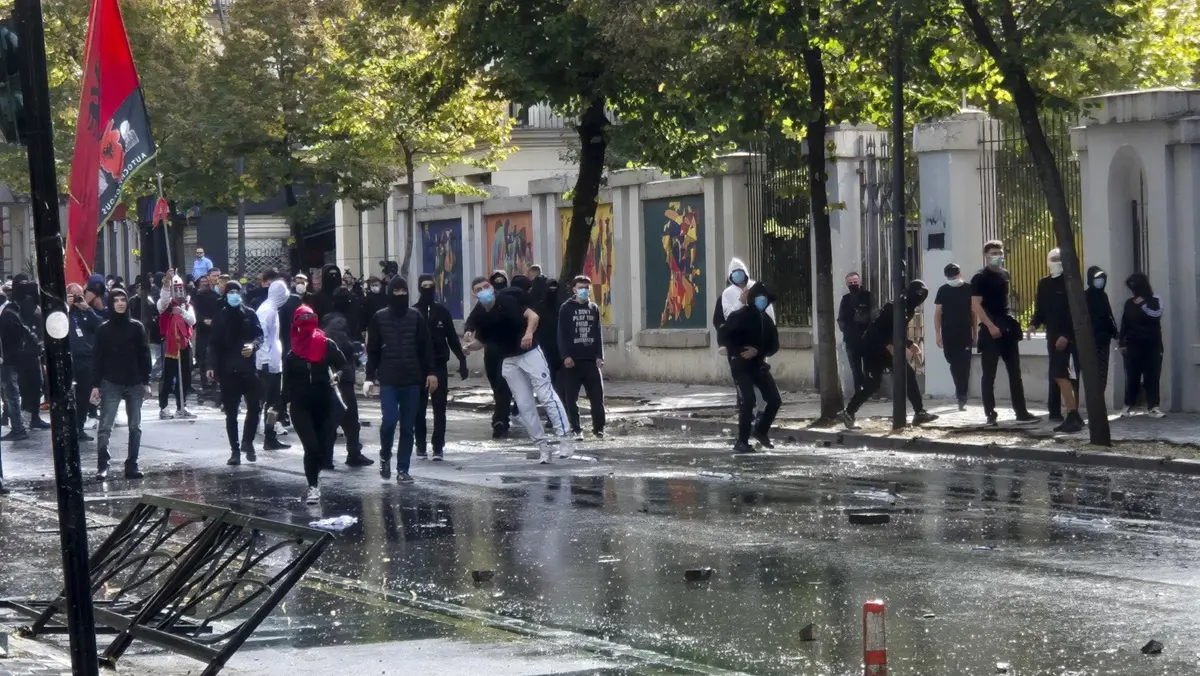
Tensions culminated between October 13 and October 18, 2026, when thousands of demonstrators assembled outside the Ministry of Education and Prime Minister Rama’s offices. Clashes erupted between protesters and state security forces, leading to the deployment of tear gas and water cannons by law enforcement.
Official police reports confirmed over 160 detentions and nearly 400 individuals charged following widespread civil disobedience and public building blockades in central Tirana.
Spain: The Pensioner Eviction and the National Housing Crisis
In Spain, social unrest escalated rapidly on September 21, 2026, surrounding the national housing crisis. On September 23, 2026, police enforced the court-ordered eviction of María del Carmen “Maricarmen” Abascal, an 87-year-old resident in Madrid, following a legal dispute with property investors.
By September 30, 2026, housing collectives and the Madrid Tenants’ Union (Sindicato de Inquilinas e inquilinos de Madrid) established a continuous protest encampment in Madrid’s Puerta del Sol, which grew to over 1,200 tents.
Similar encampments emerged in Barcelona’s Plaça de Catalunya and Málaga’s Plaza de la Constitución. According to data from the Youth Council of Spain, average residential rent prices had reached €1,176 per month, absorbing roughly 98.7 percent of the average young worker’s salary following a decade of steady price increases.
Protesters demanded an immediate legal cap on rent prices, a total ban on short-term vacation rentals, the expropriation of residential housing units owned by private investment funds, and the passage of strict tenant protection laws.
The central government headed by Prime Minister Pedro Sánchez presented two urgent decree-laws proposing a ban on evictions for vulnerable residents until 2030 and a two-year extension on existing leases.
However, on October 2, 2026, the Spanish Congress rejected the legislation following opposition votes from the People’s Party, Vox, and Together for Catalonia (Junts). Opposition spokesperson Cuca Gamarra argued that affordability could only be achieved through increased residential construction, while Junts spokesperson Míriam Nogueras stated the decree would create legal market uncertainty. In contrast, tenant union representatives called for nationwide general mobilizations to enforce housing rights.
France: Educational Strikes and Fuel Price Mobilizations
In France, a distinct wave of social unrest began on September 15, 2026, sparked by sharp increases in retail fuel costs. Driven by regional maritime supply disruptions and international market volatility, average diesel prices in France reached €2.37 per liter, nearing historical highs.
Initial blockades were established by transport workers, agricultural workers, and commercial fishermen who obstructed access to major fuel depots in Frontignan and port facilities in Nice and Sète.
This economic disruption coincided directly with public sector labor actions in secondary and higher education.
On September 18, 2026, teaching staff and suburban education workers across the Île-de-France region initiated strikes over class overcrowding, wage stagnation, and severe administrative budget reductions. Student assemblies subsequently blockaded high schools and university campuses in Paris, Lyon, and Marseille.
The movement saw a broad convergence of trade unions, including the Confédération Générale du Travail (CGT) and Solidaires, along with student organizations and former Gilets Jaunes (Yellow Vests) networks.
The protesters demanded the immediate indexation of wages to current inflation rates, increased state spending on education and healthcare, and emergency price caps on petroleum products.
In response to the growing disruptions, Prime Minister Sébastien Lecornu announced on September 16, 2026, that the government would increase state fuel subsidies to the maximum allowable limit under European Union rules.
When protests continued into October, the government released 10 million barrels of strategic diesel reserves to stabilize market supply, while law enforcement authorities deployed heavy riot control measures, leading to thousands of detentions nationwide.
Escalation Across the Mediterranean: Greece and Portugal
Greece: Public Sector Strikes and Anti-Privatization Mobilizations
In Greece, social mobilizations accelerated on September 5 2026, driven by rising electricity tariffs, real estate inflation, and persistent wage stagnation.
The unrest gained momentum following coordinated labor actions organized by the All-Workers Militant Front (PAME) and supported by major public sector confederations, including the Civil Servants’ Confederation (ADEDY).
On September 28, 2026, nationwide strikes disrupted public transport, maritime ferry connections between the mainland and Aegean islands, and municipal services.
In Athens, over 45,000 demonstrators marched toward Syntagma Square in front of the Hellenic Parliament. Student assemblies from the National Technical University of Athens and the National and Kapodistrian University of Athens joined the marches, blocking central thoroughfares.
Protesters focused their demands on structural economic reforms, including:
• The immediate restoration of collective bargaining rights dissolved under previous austerity frameworks.
• Strict state price controls on essential consumer goods and electricity tariffs.
• Increased public funding for higher education and healthcare infrastructure.
• Direct wage indexation to compensate for post-2022 inflationary losses.
Addressing parliament in late September, Prime Minister Kyriakos Mitsotakis defended the administration’s fiscal stance, stating that government policy must maintain strict fiscal discipline to ensure sovereign debt stability.
Portugal: The Housing Dignity Movement (Vida Justa)
In Portugal, demonstrations expanded across major urban centers during the first week of October 2026. Catalyzed by the civil movement Just Life (Vida Justa) alongside tenant rights group Door to Door (Porta a Porta) and university student unions, tens of thousands gathered in Lisbon, Porto, Coimbra, and Faro.
The central issue driving the protests was real estate speculation and the expansion of short-term tourist accommodations, which had led to significant residential displacement in urban neighborhoods.
According to national statistical reporting, residential property prices in Lisbon had increased by 12.4 percent year-over-year by mid-2026, while median national wages remained under €1,050 per month.
On October 3, 2026, demonstration columns marched along Avenida da Liberdade in Lisbon toward the Assembly of the Republic. Speakers at the rally called for immediate state intervention to secure affordable living conditions, demanding:
• An immediate freeze on residential lease renewals and rent price caps indexed to local wage levels.
• The mandatory revocation of tax incentives granted to non-resident foreign real estate investors.
• Substantial state investment in public housing construction.
• An increase in the national minimum wage to €1,000 per month to offset basic living expenses.
Government representatives pointed to existing tax relief programs for young buyers, but grassroots spokespersons rejected these measures as inadequate against systemic market speculation.
Convergence and Expansion: Germany, Italy, and Belgium
Germany: Heating Cost Protests and Urban Rent Freezes
In Germany, demonstrations gathered force across major industrial and urban regions in mid-October, led by trade union factions, tenant associations (Mieterverein), and progressive youth organizations.
The mobilizations were prompted by public sector wage negotiations and sharp increases in seasonal municipal heating and gas bills following regional energy supply realignments.
Protests took place in Berlin, Leipzig, Cologne, and Hamburg. Demonstrators assembled at the Brandenburger Tor in Berlin, calling for:
• Federal legislative caps on natural gas and district heating charges.
• A nationwide five-year freeze on residential rents in cities exceeding strict vacancy limits.
• Higher public investment in municipal transport networks and social housing initiatives.
• Wage increases for public sector employees above the annual core inflation rate.
Federal officials acknowledged the economic burden placed on households, but emphasized that national budgetary constraints limited further large-scale energy price subsidies.
Italy: The “Italia in Piazza” General Strike and Cost-of-Living Mobilization
In Italy, social tension culminated on October 17, 2026, in a coordinated general mobilization organized under the banner “Italy in the Square” (Italia in Piazza). The action was spearheaded by grassroots trade unions, including the Unione Sindacale di Base (USB) and COBAS, alongside student collectives and housing rights coalitions.
Demonstrations affected major urban centers, including Rome, Milan, Turin, and Naples. In Milan, an estimated 60,000 people marched through the city center, resulting in the temporary suspension of public transit lines and commercial activity.
Protesters cited declining real wages, cuts to basic social protection mechanisms, and rising utility prices as the primary drivers of the mobilization.
Key demands raised by Italian protest organizers included:
• An immediate statutory minimum wage of €10 per hour.
• The automatic reintroduction of wage indexation tied to inflation metrics (scala mobile).
• Increased public funding for national healthcare (Servizio Sanitario Nazionale) and public transit systems.
• A moratorium on residential evictions involving primary residences for low-income households.
Prime Minister Giorgia Meloni issued a statement from Rome, characterizing the disruptions as politically motivated actions designed to destabilize public order during delicate national budget negotiations.
Belgium: Public Service Strikes and Educational Budget Mobilizations
Simultaneously, on October 17, 2026, Belgium experienced significant public sector disruptions centered in Brussels and Liège. Organized by joint trade union fronts (FGTB/ABVV and CSC/ACV) in coordination with secondary and higher education student unions, the actions brought together public transport operators, municipal sanitation staff, and academic workers.
In Brussels, thousands of demonstrators gathered near the European Quarter, marching toward the federal parliament building. The movement focused on rising urban living costs and proposed structural spending cuts to secondary and university educational systems.
Protesters demanded:
- The full preservation and enforcement of Belgium’s automatic wage indexation system across all employment sectors.
- Increased federal budget allocations for public education, student housing, and public transit.
- Legislative action to curb commercial energy price speculation and residential real estate inflation.
Federal government spokespersons stated that maintaining current fiscal trajectories was necessary to adhere to European Union public debt standards, while indicating a willingness to continue sector-specific labor dialogue.
Institutional Reactions and State Repression vs. Protesters’ Demands
As demonstrations converged across the European continent through mid-October 2026, state authorities responded with a combination of security deployments, judicial actions, and public condemnations.
Government officials framed the widespread public disruptions as threats to political stability and fiscal order, while protest coalitions emphasized that state actions prioritized debt constraints and elite economic interests over the material needs of the population.
In France, the executive branch adopted an uncompromising stance. President Emmanuel Macron publicly criticized what he described as “unbridled violence” following the escalation of high school blockades, fuel port disruptions, and urban demonstrations.
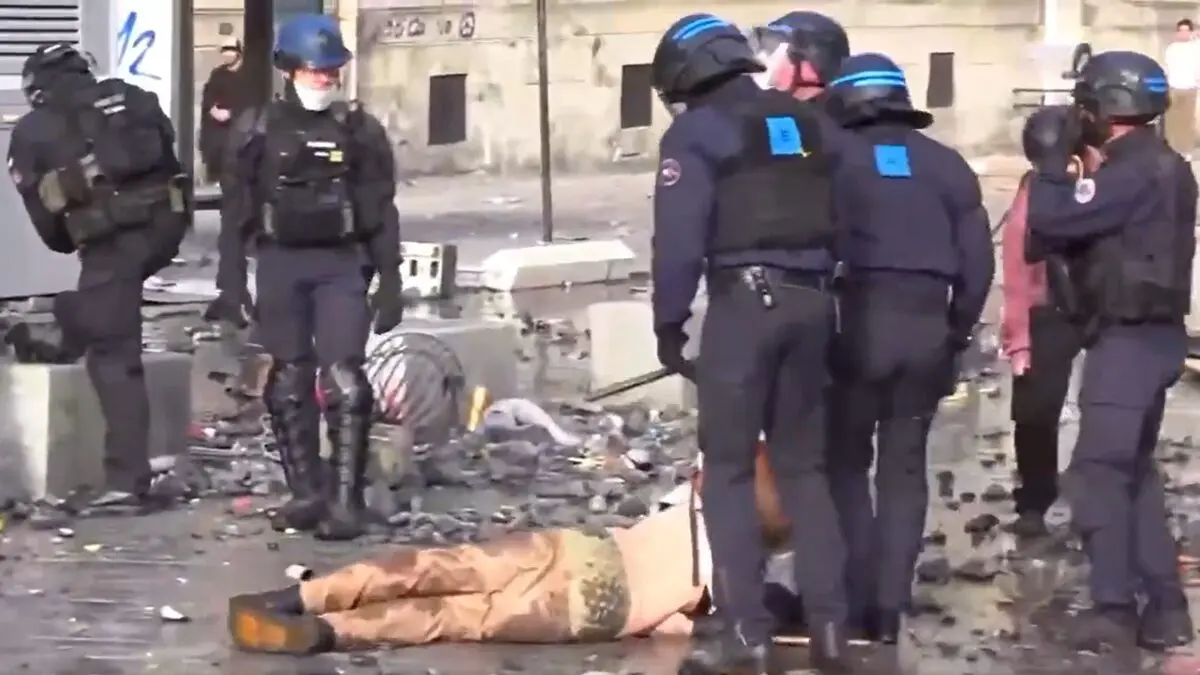
Interior Ministry directives led to the widespread deployment of specialized CRS riot control units, water cannons, and tear gas in Paris, Lyon, Marseille, and Limoges.
Law enforcement agencies reported making between 1,800 and 2,400 detentions nationwide by mid-October, with human rights monitoring groups and legal collectives expressing concern over indiscriminate police tactics, pre-emptive arrests, and severe injuries sustained by secondary school students.
In Southern Europe, local administrations similarly sought to delegitimize the protest movements. In Italy, Prime Minister Giorgia Meloni’s government characterized the “Italia in Piazza” general strike as a politically motivated attempt by opposition factions to destabilize the nation during crucial state budget negotiations.
Police forces in Milan and Rome deployed water cannons and heavy cordons to clear key arterial roads and transit hubs blocked by union members and youth assemblies. In Albania, Prime Minister Edi Rama argued that persistent anti-government and student demonstrations—initially sparked by the “Flamingo Revolution” against coastal real estate privatization in Sazan and Vjosa-Narta—endangered the country’s economic integration and accession standing with the European Union.
Albanian authorities utilized water cannons and tear gas against university student blockades in Tirana, leading to dozens of detentions and criminal charges.
Across Spain and Portugal, state responses highlighted severe institutional divisions over economic reform. While Spanish local police enforced court-ordered evictions in Madrid and cleared public squares, parliamentary opposition parties blocked proposed national lease extensions and eviction bans.
In Portugal, government spokespersons maintained that market-based housing strategies and tax incentives for foreign buyers were necessary to attract capital, directly rejecting the Vida Justa movement’s demands for immediate rent controls and foreign investment caps.
From Localized Grievances to Pan-European Class Solidarity
What began as distinct domestic actions, resistance against speculative real estate projects on Albania’s protected coastline, outrage over elderly evictions and surging rents in Spain, and secondary school labor strikes over state underfunding in France, rapidly converged into a interconnected continental mobilization.
This convergence reflects shared structural drivers: the systematic erosion of real wages, the commodification of urban housing, the decline of essential public services under sustained fiscal austerity, and the compounding impact of energy inflation.
Across national borders, working-class households, student coalitions, and independent trade unions have consistently targeted the policy frameworks that prioritize fiscal deficit targets and private asset protection over public welfare and living standards.
The organizational strategy of the autumn 2026 movements highlights a shift in popular mobilization methods. By utilizing decentralized communications, student assemblies, neighborhood collectives, and grassroots trade union alliances, protest networks frequently bypassed established political parties.
This organizational horizontalism enabled rapid, cross-sector coordination—demonstrated by the simultaneous national strikes and urban blockades in France, Italy, Belgium, and Portugal on October 17, 2026.
As winter approaches, the continued alignment of labor unions, housing organizations, and youth movements suggests that Europe’s autumn of discontent may mark the beginning of a sustained, pan-European struggle for structural economic reform, market regulation, and social welfare preservation.
Sources: TeleSUR – Al Jazeera – Democracy Now – BBC – DW – France 24 – EFE – AFP – AP – The guardian – El País – El Mundo – La Radio del Sur – La República – RTVE – Xinhua – CGTN – Press TV – Anadolu Agency – RT – TRT World
Author: Silvana Solano
Source: TeleSUR