



5 Terrifying Consequences of the Epstein Files Release Survivors Fear Most
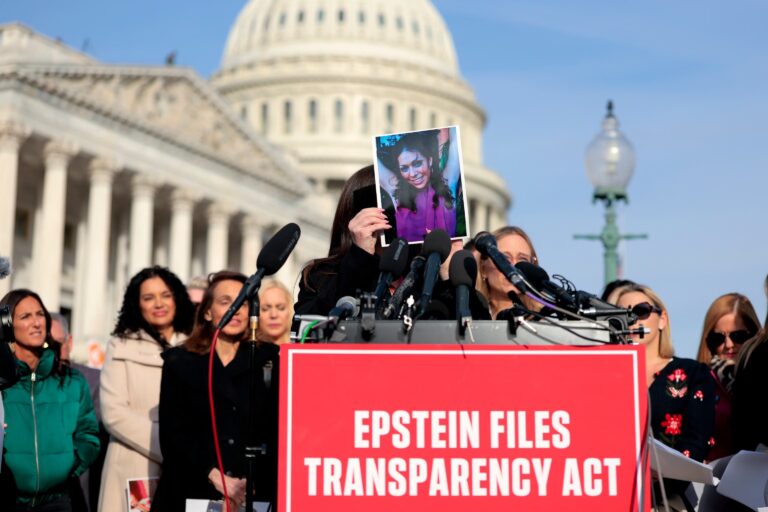
Epstein survivors and supporters hold a vigil calling for full disclosure and protection ahead of the Epstein files release.
November 22, 2025 Hour: 1:10 pm
🔗 Comparte este artículo
As the Epstein files release nears, survivors brace for death threats and smear campaigns. Discover the 5 urgent risks they face.
Related: Senator Wyden Calls for Probe Into JPMorgan Over Epstein Transactions
5 Terrifying Consequences of the Epstein Files Release Survivors Fear Most
As the United States prepares to publicly release long-awaited government documents tied to convicted sex trafficker Jeffrey Epstein, survivors of his decades-long abuse ring are sounding the alarm: the impending Epstein files release could trigger a wave of violence, intimidation, and coordinated disinformation against them. In a collective statement titled “What we’re bracing for,” issued Thursday, 28 survivors—including 18 named individuals and 10 Jane Does—warned of escalating death threats and renewed attempts to discredit their testimonies.
“We are bracing for these to escalate,” the statement reads. “Many of us have already received death threats and other threats of harm.” The group is urging federal and state law enforcement agencies to investigate and provide protection, fearing retaliation from powerful figures whose names may appear in the documents.
Their fears are not hypothetical. The release, mandated by a bill signed into law by President Donald Trump just days ago, could expose deeply entrenched networks of abuse that span politics, finance, entertainment, and royalty. For survivors, transparency is inseparable from personal risk.
Epstein Files Release Sparks Urgent Calls for Protection and Full Disclosure
The legislation requiring the Justice Department to release all Epstein-related files passed the U.S. Senate unanimously and was signed by Trump on Wednesday—just one day after its approval. Under the new law, the department has 30 days to make the records public, ending years of secrecy that survivors say allowed enablers to operate with impunity.
“We ask our champions in Congress and in the public to continue fighting to make sure all materials are released, not selected ones,” the survivors’ statement insists. They reject partial or redacted disclosures, arguing that selective transparency would amount to another betrayal.
The trauma inflicted by Epstein—who pleaded guilty in 2008 to procuring a minor for prostitution and was found dead in a New York jail cell in 2019 while awaiting trial on federal sex trafficking charges—was amplified by systems designed to protect the powerful. Now, survivors fear that same machinery will mobilize to silence them again.
Read the Department of Justice’s official statement on the Epstein case
Marina Lacerda, who says Epstein began abusing her at age 14 in his New York mansion, described the emotional weight of waiting for the Epstein files release. “I feel that the government and the FBI knows more than I do,” she told The Associated Press, “and that scares me, because it’s my life, it’s my past.”
Her struggle to recall details—common among trauma survivors—is precisely why she and others are demanding access to the full truth. The files may contain evidence that helps reconstruct stolen childhoods.
Geopolitical and Institutional Context: Power, Secrecy, and the Cost of Accountability
The global implications of the Epstein files release extend far beyond U.S. borders. Among those previously accused by survivors is Prince Andrew, the disgraced former UK royal who was stripped of his titles after Virginia Giuffre alleged he sexually abused her while she was trafficked by Epstein. Giuffre, one of the most vocal survivors, died by suicide in April 2025—after reportedly enduring years of legal battles, public scrutiny, and intimidation.
Her case exemplifies a pattern: when survivors name the powerful, they become targets. Legal systems often fail to protect them, while media narratives sometimes frame them as opportunistic or unreliable. The new law may force unprecedented transparency, but it also risks unleashing a backlash from elites with the resources to wage smear campaigns or exert pressure through legal and financial channels.
Moreover, the timing is politically charged. With Trump reversing his earlier opposition to disclosure—a move seen by analysts as an attempt to appeal to anti-establishment voters—the Epstein files release has become entangled in U.S. election dynamics. Survivors worry their trauma is being instrumentalized, not honored.
Internationally, the case underscores a broader crisis of accountability for sexual violence perpetrated by the global elite. From Hollywood to London’s aristocracy, institutions have long shielded perpetrators through settlements, non-disclosure agreements, and reputational management. The files could expose the scaffolding of that impunity—but only if survivors are kept safe long enough to see justice served.
Review the UN Special Rapporteur’s report on violence against women and accountability
“We Cannot Let His Enablers Escape Accountability”
In their statement, survivors drew a direct line between past and present tactics of silencing. “Years ago, Epstein got away with abusing us by portraying us as flawed and bad girls,” they wrote. “We cannot let his enablers use this tactic to escape accountability now.”
This warning speaks to a well-documented strategy: discrediting victims to protect networks of complicity. Legal documents from prior cases show that Epstein’s associates used private intelligence firms, media manipulation, and financial pressure to undermine accusers. Survivors fear such tactics will intensify as the release date approaches.
Virginia Giuffre’s tragic death has only heightened these concerns. Though her passing was ruled a suicide, many in survivor communities believe the relentless legal and emotional toll contributed to her despair. Her story has become a cautionary symbol of what happens when society demands truth but offers no sanctuary.
Now, advocates are calling not just for document disclosure, but for robust witness protection, mental health support, and legal aid—measures they say are essential to prevent further harm.
A Moment of Truth—or Another Broken Promise?
The Epstein files release represents a rare opportunity to confront systemic abuse at the highest levels of power. Yet survivors remain wary. Previous promises of transparency—from the FBI’s handling of evidence to court rulings on sealed depositions—have often yielded partial or delayed results.
This time, the law is unequivocal: all files must be released within 30 days, with no carve-outs for “national security” or “privacy” unless narrowly justified. Advocates see this as a hard-won victory, but also a test of whether institutions will finally prioritize victims over influence.
For Marina Lacerda and others, the stakes are deeply personal. “I just want to understand what happened to me,” she said. “And I want to make sure no one else has to go through this.”
As the clock ticks down, the world watches—not just for names in documents, but for whether the United States will choose truth over power, and protection over silence.
Author: JMVR
Source: Aljazeera